We're loading the full news article for you. This includes the article content, images, author information, and related articles.
Residents demand ironclad guarantees on Sh204 billion proceeds as MPs gather views on the controversial privatization plan.
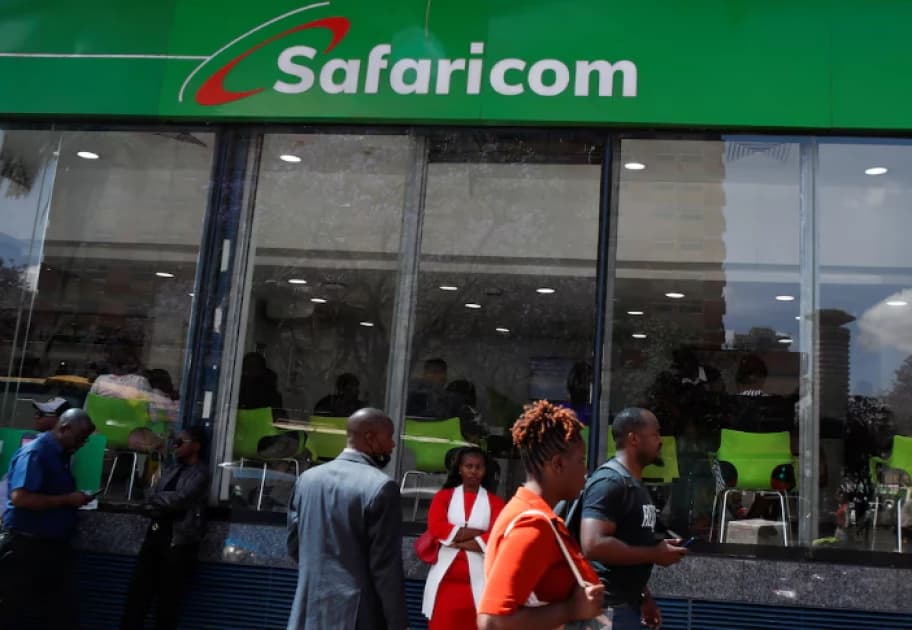
Residents demand ironclad guarantees on Sh204 billion proceeds as MPs gather views on the controversial privatization plan in a heated public forum.
The specter of mistrust dominates the public hearings in Kisumu as residents vehemently oppose the sale of government shares in Safaricom. In a hall charged with tension and skepticism, members of the National Assembly’s Finance and National Planning Committee faced a barrage of hard questions from a citizenry that has grown weary of broken promises and vanished billions.
At stake is the control of a national jewel and the potential misuse of Sh204 billion in proceeds. The public’s resistance reflects a deepening crisis of confidence in the government’s fiscal discipline and its ability to ring-fence development funds. Speakers at the forum did not mince words, pointing to past privatization deals where proceeds evaporated into the labyrinth of the Consolidated Fund, never to be seen in tangible projects. This is not merely a debate about economics; it is a referendum on the government's integrity.
The proposal involves the sale of 15 percent of the government's stake, amounting to 6.01 billion shares, to raise capital for infrastructure projects. However, the residents of Kisumu are asking the critical question: "Where is the guarantee?" One passionate contributor, a retired teacher, stood up and challenged the MPs, asking, "If we sell our best cow to pay debts today, what will we milk tomorrow?" The metaphor struck a chord, encapsulating the fear that the state is pawning off strategic assets for short-term fiscal relief.
The skepticism is rooted in the lack of a clear legal framework to protect the funds. Participants demanded that before any sale is approved, a law must be enacted to create a special purpose vehicle or a sovereign wealth fund where the proceeds will be deposited. They argued that dumping the money into the general exchequer is akin to pouring water into a sieve. The ghosts of the Eurobond and other financial scandals loomed large over the proceedings, with residents citing them as reasons for their refusal to endorse the deal.
The MPs, led by the committee chair, found themselves in the uncomfortable position of defending a government proposal to a hostile audience. They attempted to explain the economic rationale, citing the need to unlock capital tied up in equity to fund roads and dams. However, technical economic jargon did little to assuage the visceral fear of corruption. The disconnect between the technocrats in Nairobi and the wananchi in Kisumu was palpable.
As the caravan of public participation moves to other counties, the message from Kisumu is clear and unambiguous. The people are demanding accountability before liquidity. They are refusing to sign a blank check for a government they do not fully trust with the proceeds. The committee now faces the daunting task of reconciling the government's desperate need for cash with the public's staunch refusal to sanction what they see as the looting of their future. "The people have spoken," declared a local activist, "and we say no to the sale."
Keep the conversation in one place—threads here stay linked to the story and in the forums.
Sign in to start a discussion
Start a conversation about this story and keep it linked here.
Other hot threads
E-sports and Gaming Community in Kenya
Active 10 months ago
The Role of Technology in Modern Agriculture (AgriTech)
Active 10 months ago
Popular Recreational Activities Across Counties
Active 10 months ago
Investing in Youth Sports Development Programs
Active 10 months ago



