We're loading the full news article for you. This includes the article content, images, author information, and related articles.
Kisumu matatu operators reject the nationwide strike call, prioritizing business continuity over solidarity and exposing deep rifts in the transport sector.
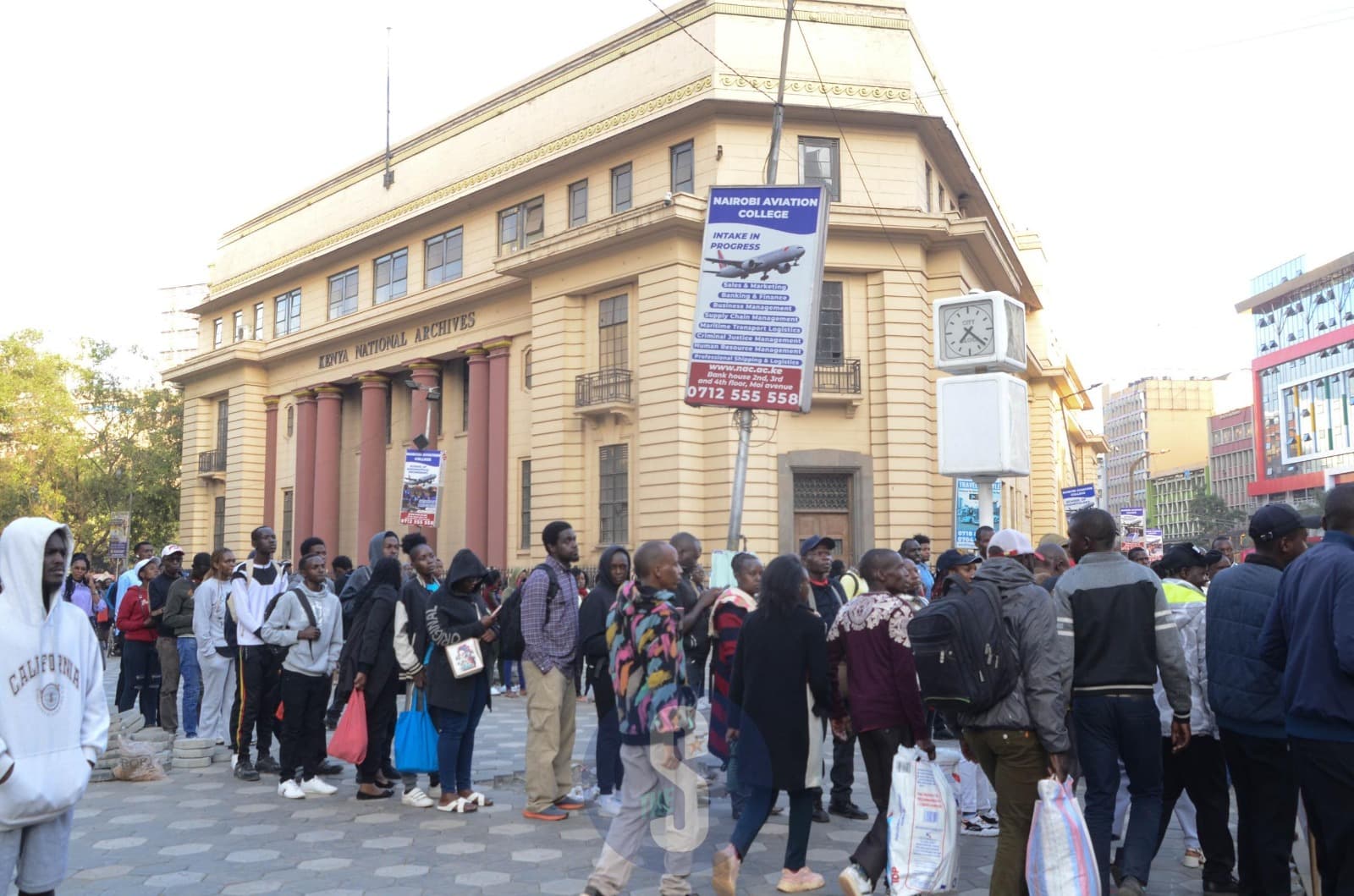
While commuters in Nairobi were left stranded and desperate, a different reality unfolded in the lakeside city of Kisumu. In a bold display of independence, Kisumu matatu owners have opted out of the nationwide strike, keeping the city's transport arteries flowing and defying the call to down tools issued by the national body.
The strike, called by the Matatu Owners Association (MOA) to protest the rising wave of vandalism and arson by rogue boda boda riders, has paralyzed transport in the capital. However, the Kisumu chapter has chosen business over solidarity, citing the unique dynamics of the industry in the region. This split exposes the fragmentation within the public transport sector and the varying degrees of the "boda boda menace" across the country.
Residents of Kisumu woke up to the familiar chaos of the bus park—touts shouting destinations, engines revving, and music blaring. There was no sign of the boycott that has turned Nairobi’s bus stations into ghost towns. Local operators argue that while the grievances against boda bodas are valid, a blanket strike punishes the wrong people: the passengers and the matatu crews who live hand-to-mouth.
"We cannot starve our families because of problems in Nairobi," remarked one driver at the main bus terminus. "Here in Kisumu, we have our own way of dealing with the boda boda guys. If we stop work, we lose money, and the boda bodas will just take our customers. It makes no sense."
The refusal of the Kisumu branch to join the strike undermines the bargaining power of the national MOA leadership. It signals a lack of cohesion and suggests that the "nationwide" strike is, in reality, a Nairobi-centric protest. This is not the first time regional interests have trumped national solidarity in the unruly world of Kenyan public transport.
However, the underlying issue remains unresolved. The friction between the unregulated, sprawling boda boda sector and the regulated matatu industry is a ticking time bomb. While Kisumu rides on today, the conflict over road space, passengers, and discipline is far from over.
For now, the lakeside city moves to its own rhythm, ignoring the paralysis gripping the rest of the nation. But as the sun sets, the question lingers: is this resilience, or just a temporary reprieve before the chaos spreads West?
Keep the conversation in one place—threads here stay linked to the story and in the forums.
Sign in to start a discussion
Start a conversation about this story and keep it linked here.
Other hot threads
E-sports and Gaming Community in Kenya
Active 9 months ago
The Role of Technology in Modern Agriculture (AgriTech)
Active 9 months ago
Popular Recreational Activities Across Counties
Active 9 months ago
Investing in Youth Sports Development Programs
Active 9 months ago



