We're loading the full news article for you. This includes the article content, images, author information, and related articles.
**Veteran politician Kipruto Arap Kirwa has dismissed President William Ruto’s ambitious economic vision as a pre-election strategy, igniting a fierce national debate on whether the plan is a viable blueprint for prosperity or political rhetoric.**
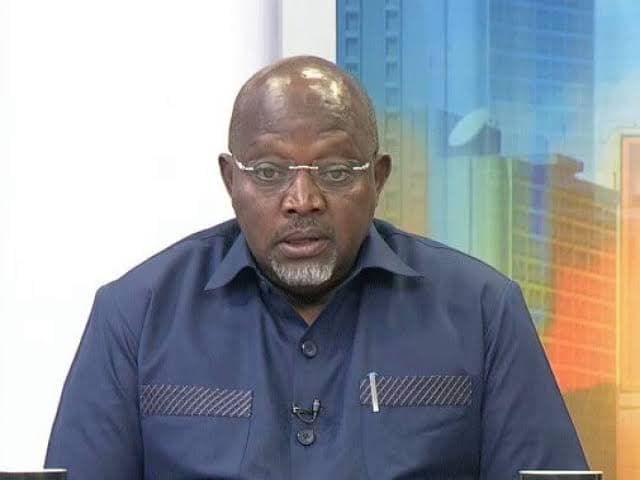
Former Cabinet Minister Kipruto Arap Kirwa has sharply criticized President William Ruto’s vision to transform Kenya into a Singapore-like economy, framing it as empty political talk designed for re-election. Kirwa’s critique adds a weighty voice to a growing chorus of skepticism from political, civil, and economic leaders questioning the feasibility of the grand plan.
The comments tap into a national conversation about the administration's economic priorities. For many Kenyans grappling with the high cost of living, the promise of a First-World future feels disconnected from the immediate challenge of putting food on the table. “Anything that Ruto does between now and the next elections, do not believe any statistics,” Kirwa warned, urging public skepticism of government assurances.
President Ruto has repeatedly anchored his agenda on a KES 5 trillion (approx. $38.5 billion) plan to elevate Kenya to developed status, drawing parallels with Asian Tigers like Singapore, South Korea, and Malaysia. Unveiled during his State of the Nation and Jamhuri Day addresses, the vision rests on four key pillars:
“If Singapore, South Korea and Malaysia did it, why not us?” the President has argued, insisting that with discipline and strategic investment, the vision is achievable.
However, critics point to the vast economic and governance chasm between Kenya and Singapore. The Southeast Asian nation’s success was built on decades of visionary leadership, zero tolerance for corruption, and a focus on human capital—foundations that analysts argue are currently unstable in Kenya. The economic disparity is stark:
Former Chief Justice David Maraga has called the comparison “deeply misleading,” stating that Singapore’s miracle was built on principles like ruthless anti-corruption enforcement and fiscal discipline, which he suggests are lacking.
Civic groups like Bunge La Wananchi have echoed Kirwa's concerns, arguing that the focus on mega-projects ignores the urgent needs of ordinary citizens. They contend that economic gains mean little when nearly 17 million people face food shortages and struggle with high taxes and reduced purchasing power. Governance expert Peter Kagwanja described the narrative as a “repackaging of the hustler, bottom-up agenda” ahead of the 2027 election.
As the administration pushes forward, with the President dismissing critics as “prophets of doom,” the debate intensifies. The ultimate test remains whether this grand vision can translate into tangible improvements for the average Kenyan, or if, as Kirwa alleges, it will fade after the next election cycle.
Keep the conversation in one place—threads here stay linked to the story and in the forums.
Sign in to start a discussion
Start a conversation about this story and keep it linked here.
Other hot threads
E-sports and Gaming Community in Kenya
Active 9 months ago
The Role of Technology in Modern Agriculture (AgriTech)
Active 9 months ago
Popular Recreational Activities Across Counties
Active 9 months ago
Investing in Youth Sports Development Programs
Active 9 months ago



