We're loading the full news article for you. This includes the article content, images, author information, and related articles.
The veteran politician warns the landmark “America First” pact may burden taxpayers with billions in hidden costs while the local Social Health Authority teeters on collapse.
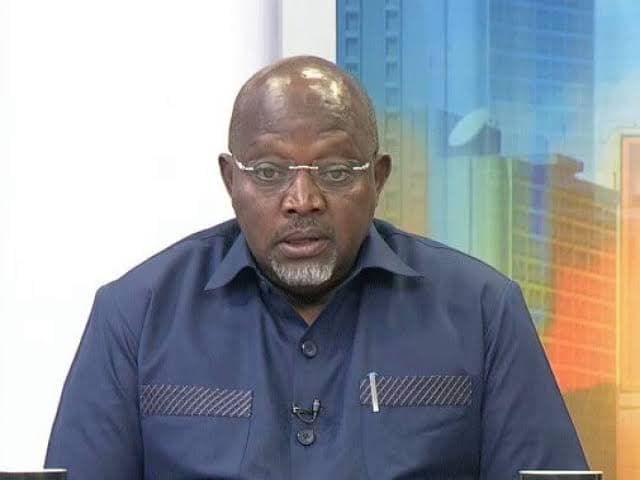
Former Agriculture Cabinet Minister Kipruto Arap Kirwa has launched a scathing attack on President William Ruto’s administration, branding the newly signed $2.5 billion (approx. KES 325 billion) Health Cooperation Framework with the United States as a “diplomatic mirage” that ignores the rotting reality of Kenya’s healthcare system.
Speaking to a charged crowd in Trans Nzoia on Sunday, Kirwa did not mince words. He argued that the deal, signed in Washington D.C. last week by President Ruto and US Secretary of State Marco Rubio, is less about saving Kenyan lives and more about geopolitical posturing.
“We are being told this is a partnership,” Kirwa thundered, waving a copy of the local dailies. “But when you read the fine print, it is a mortgage. We are pledging billions we do not have, to fix a system that is already dead on the operating table.”
At the heart of Kirwa’s criticism is the financial structure of the five-year agreement. While the US has committed $1.6 billion (KES 208 billion) to combat HIV/AIDS, malaria, and TB, the deal requires the Kenyan government to increase its own domestic health spending by $850 million (approx. KES 110.5 billion) over the same period.
Kirwa questioned where these funds would come from, given the country’s current fiscal tightness.
“The President is committing KES 110 billion in counterpart funding at a time when we cannot even pay intern doctors,” Kirwa noted. “Is this money going to come from another tax hike? Or are we going to borrow more to pretend we are self-reliant?”
The criticism comes against a backdrop of severe domestic healthcare challenges. Since its rollout in October 2024, the Social Health Authority (SHA)—which replaced the NHIF—has faced persistent teething problems. Reports indicate that over 40% of claims from private hospitals remain unpaid, and the transition has been marred by system outages.
Kirwa drew a sharp contrast between the glossy signing ceremony in Washington and the queues in Kenyan hospitals. “You cannot fly to America to sign ‘America First’ health deals when your own ‘Kenya First’ health system—the SHA—is in the ICU,” he charged.
Health economists have also raised eyebrows at the timing. With the Trump administration’s shift away from traditional aid models like USAID, analysts warn that the burden of purchasing commodities—previously donated—may gradually shift to the Kenyan taxpayer under this new framework.
Government spokesperson Isaac Mwaura has defended the pact, terming it a “paradigm shift” that moves Kenya from aid dependency to partnership. The State House maintains that the deal will modernize Kenya’s pharmaceutical manufacturing and digital health infrastructure.
However, Kirwa remains unconvinced. He warned that aligning too closely with the specific “America First” foreign policy requirements could alienate other development partners and compromise Kenya’s non-aligned stance.
“We are walking into a trap where our health policy is dictated by foreign elections,” Kirwa cautioned in his closing remarks. “If we cannot fund our own hospitals, we have no business signing treaties that bind our children to foreign debts.”
Keep the conversation in one place—threads here stay linked to the story and in the forums.
Sign in to start a discussion
Start a conversation about this story and keep it linked here.
Other hot threads
E-sports and Gaming Community in Kenya
Active 9 months ago
The Role of Technology in Modern Agriculture (AgriTech)
Active 9 months ago
Popular Recreational Activities Across Counties
Active 9 months ago
Investing in Youth Sports Development Programs
Active 9 months ago



