We're loading the full news article for you. This includes the article content, images, author information, and related articles.
Sudan’s government vows to resist foreign interference while battling the RSF, navigating a complex diplomatic landscape amidst a deepening humanitarian catastrophe.
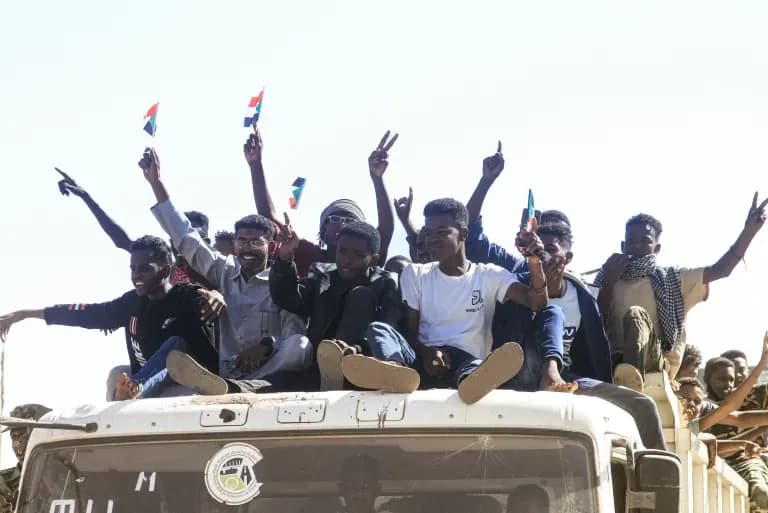
As the catastrophic civil war enters its third bloody year, the Sudanese government has issued a stern warning to the international community, declaring it will shield Africa from "foreign interference" while tentatively welcoming peace efforts to halt the Rapid Support Forces (RSF).
In a strongly worded statement from Port Sudan—the de facto administrative capital—Foreign Minister Mohieldin Salem drew a line in the sand. While the humanitarian situation spirals into what the UN calls the "world's worst hunger crisis," the military-led government insists that any solution must respect Sudan's absolute sovereignty. This diplomatic posturing comes as the battle for El-Fasher intensifies, with the RSF militia tightening its siege on the last army stronghold in Darfur.
The Ministry's rhetoric about "external plots" is a thinly veiled accusation against regional powers accused of arming the RSF. "We are not just fighting a rebel militia; we are fighting a foreign invasion by proxy," a government source stated. By positioning itself as the "shield of Africa," the Sudanese Armed Forces (SAF) are attempting to frame the conflict as a defense of the nation-state against mercenary forces funded by Gulf interests.
Despite the tough talk, the reality on the ground is desperate. The government has welcomed the recent joint statement by Egypt, Saudi Arabia, the UAE, and the US calling for a humanitarian truce. However, the acceptance is conditional. The Foreign Ministry demands that the RSF be held accountable for "terrorist attacks" on infrastructure and the systematic looting of aid convoys—a precondition that has scuttled every previous ceasefire attempt.
Sudan is fighting for its very existence. The rejection of foreign interference is a popular stance domestically, tapping into a deep well of nationalism. But nationalism cannot feed a starving population. The disconnect between the government's sovereign pride and the people's suffering is widening every day.
As the war intensifies, the risk of Sudan fracturing into rival warlord fiefdoms becomes real. The government's statement is a cry of defiance, but without a decisive military victory or a painful political compromise, it may end up being the eulogy for a unified state. The world is offering aid with one hand and political pressure with the other; Khartoum is slapping both away, determined to win on its own terms, whatever the cost.
Keep the conversation in one place—threads here stay linked to the story and in the forums.
Sign in to start a discussion
Start a conversation about this story and keep it linked here.
Other hot threads
E-sports and Gaming Community in Kenya
Active 9 months ago
The Role of Technology in Modern Agriculture (AgriTech)
Active 9 months ago
Popular Recreational Activities Across Counties
Active 9 months ago
Investing in Youth Sports Development Programs
Active 9 months ago



