We're loading the full news article for you. This includes the article content, images, author information, and related articles.
Overcrowded, underfunded, and plagued by mismanagement, Kenya's correctional facilities are failing both inmates and the nation. A deepening crisis of stalled reforms and financial rot raises urgent questions about the cost—human and economic—of justice.
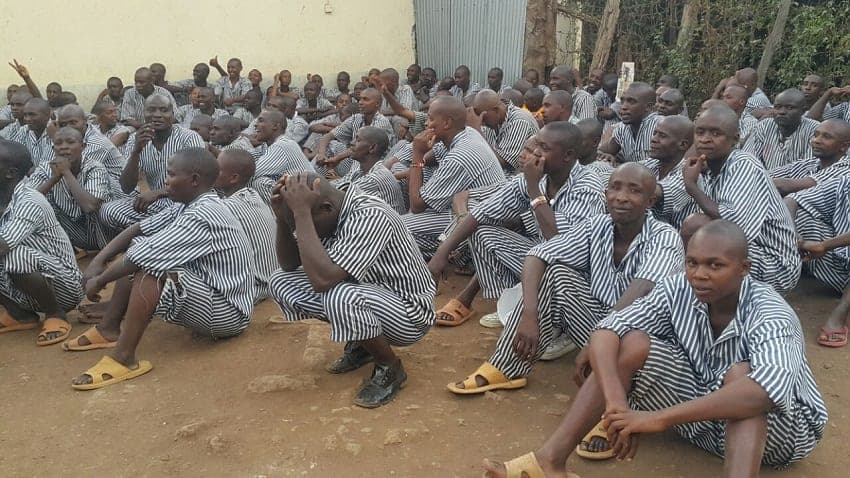
Kenya's prison system, designed for 34,000 inmates, is currently holding nearly double that number, creating a humanitarian and fiscal crisis that can no longer be ignored. This severe overcrowding is the explosive symptom of a deeper malaise: a correctional service crippled by dilapidated infrastructure, financial mismanagement, and stalled reforms that threaten the very fabric of public safety and rehabilitation.
The consequences of this systemic failure extend far beyond the prison walls, directly impacting the Kenyan taxpayer. Every inmate represents a significant and recurring cost to a strained national budget for food, healthcare, and security. This financial drain, exacerbated by corruption, diverts millions of shillings that could otherwise be invested in critical sectors like education, infrastructure, or healthcare, forcing every Kenyan to bear the economic brunt of a broken system.
A scathing 2025 report from the Auditor General paints a grim picture of the State Department for Correctional Services, revealing rampant financial mismanagement, billions in pending bills, and decaying infrastructure. Many prison buildings are described as dilapidated, leaking, and structurally unsound, posing daily risks to both inmates and staff. This physical decay is mirrored by a crisis in human welfare. A 2024 audit by the Kenya National Commission on Human Rights (KNCHR) exposed persistent challenges, including poor sanitation, inadequate healthcare, and limited access to rehabilitation programs designed to give offenders a second chance.
The human cost of this neglect is stark. Inmates often endure inhumane conditions, with reports of poor diets, lack of clean water, and the rapid spread of diseases like tuberculosis and pneumonia. The situation is so dire that basic healthcare has become precarious. In a notable incident in August 2025, Mbagathi Hospital, a key referral facility in Nairobi, suspended medical services for prisoners over an unpaid debt of approximately KES 12 million (about $92,800), leaving inmates with chronic conditions in a vulnerable position.
Despite official policy aiming for rehabilitation, the reality on the ground falls desperately short. While organizations like RODI Kenya have partnered with the Prison Service for years to provide vocational training, their efforts are undermined by the sheer scale of the problem and lack of resources. Many former inmates leave correctional facilities hardened and stigmatized, only to be rejected by society and quickly fall back into a cycle of crime. Studies have shown that while some vocational training has a positive impact, a significant number of ex-convicts feel their time in prison did not equip them for self-employment, and many receive no support upon release.
The government has acknowledged these failings and outlined a strategic plan for reform. Principal Secretary for Correctional Services, Dr. Salome Muhia-Beacco, has spoken of modernizing infrastructure and expanding education programs to align with international standards. However, these ambitions clash with harsh fiscal realities.
The financial burden of this broken system is substantial. For the 2024/25 fiscal year, the Prison Service was allocated KES 32.7 billion. Yet, officials argue this is inadequate to address the deep-rooted challenges. The cost of incarcerating thousands of petty offenders, many of whom could be serving community service orders, represents a massive drain on public funds that could be redirected to national development. Chief Justice Martha Koome has championed decongestion as not just a human rights issue, but a smart economic strategy to turn tax burdens into taxpayers.
As Kenya grapples with these challenges, the path forward remains fraught with difficulty. The government is exploring initiatives to digitize records for better tracking and to turn prisons into self-sustaining industries. Yet, without the political will to tackle corruption, adequately fund reforms, and address the root causes of crime, Kenya's prisons risk remaining little more than human warehouses—costly for the taxpayer and ineffective at making the country safer.
Keep the conversation in one place—threads here stay linked to the story and in the forums.
Sign in to start a discussion
Start a conversation about this story and keep it linked here.
Other hot threads
E-sports and Gaming Community in Kenya
Active 9 months ago
The Role of Technology in Modern Agriculture (AgriTech)
Active 9 months ago
Popular Recreational Activities Across Counties
Active 9 months ago
Investing in Youth Sports Development Programs
Active 9 months ago



