We're loading the full news article for you. This includes the article content, images, author information, and related articles.
A staggering 94% of adult Kenyans consume less than the globally recommended five daily portions of fruits and vegetables, directly fueling a costly epidemic of non-communicable diseases like cancer and diabetes that now cause the majority of deaths in the country.
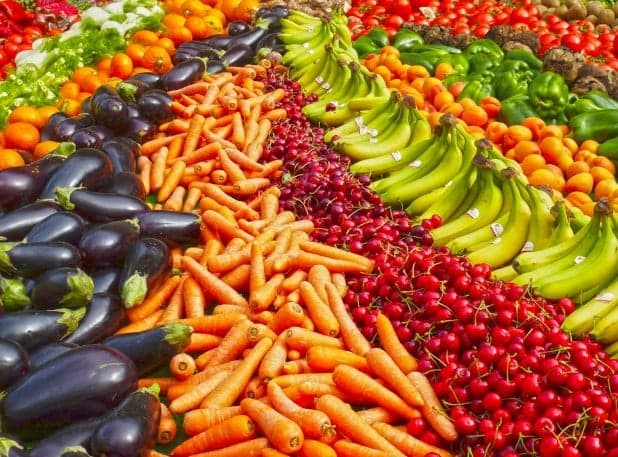
NAIROBI – A quiet but devastating public health crisis is unfolding across Kenya, driven not by a virus, but by what is on the nation's plates. According to a 2015 national survey, an alarming 94% of Kenyan adults do not eat the minimum five portions of fruits and vegetables per day recommended by the World Health Organization (WHO). This widespread dietary shortfall is a primary driver behind the surge in non-communicable diseases (NCDs), which now account for 61.7% of all deaths in health facilities, according to the 2024 Kenya Vital Statistics report. The WHO standard, established to lower the risk of serious health problems like heart disease, stroke, and certain cancers, advises a minimum daily intake of 400 grams of fruits and vegetables.
Data reveals a stark gap between this international guideline and the reality for most Kenyans. The average adult consumes just 2.09 servings of fruits and vegetables combined per day. Per capita daily consumption has stagnated at a mere 100-130 grams for over 15 years, less than a third of the WHO's recommended amount. This nutritional gap is a key factor in the country's epidemiological transition, where chronic lifestyle diseases are overtaking infectious diseases as the leading causes of death. According to the Ministry of Health, NCDs contribute to over 50% of inpatient admissions and 40% of hospital deaths, placing an immense strain on the healthcare system. A 2024 report from the Kenya National Bureau of Statistics identified cancer and cardiovascular diseases as the top causes of death.
For millions of Kenyans, a healthy diet is a luxury they cannot afford. The cost of a healthy diet in Kenya surged by 66% between 2017 and 2024, rising from approximately KES 114 to KES 190 per person per day. This price inflation, driven by climate shocks, high transport costs, and post-harvest losses estimated at 20-38% for fruits and vegetables, has pushed nutritious foods out of reach. Consequently, many households resort to cheaper, calorie-dense staples over more expensive, nutrient-rich options. Studies show that as food prices rise, households often reduce the variety of foods consumed, skip meals, or eat smaller portions. This economic pressure disproportionately affects low-income urban households, where residents can spend over a third of their income on food.
The Kenyan government has acknowledged the growing threat. In 2017, the Ministry of Health, with support from the WHO and FAO, published the National Guidelines for Healthy Diets and Physical Activity. These guidelines explicitly recommend eating plenty of green leafy, red, and yellow vegetables and fruits daily. This was followed by the National Strategic Plan for the Prevention and Control of NCDs (NSP) 2021/22-2025/26, which aims to strengthen the health system's response and promote healthy lifestyles. One of the plan's core objectives is to implement interventions that reduce modifiable risk factors like unhealthy diets. On the ground, initiatives like the 'Vegetable for All' campaign, launched by the Global Alliance for Improved Nutrition (GAIN), are working to boost vegetable consumption in several counties, including Nairobi, by 2026.
Despite these efforts, significant challenges remain. Kenya's food systems are strained by rapid population growth, climate change, and inefficient supply chains. Addressing the NCD crisis requires a comprehensive, multi-sectoral approach that goes beyond public health campaigns. It necessitates agricultural policies that improve the availability and affordability of fruits and vegetables, investments in infrastructure to reduce post-harvest losses, and economic strategies to protect households from food price volatility. Without a concerted effort to change what Kenyans eat, the human and economic cost of diet-related diseases will continue to climb, threatening the nation's long-term development goals as outlined in Vision 2030.
Keep the conversation in one place—threads here stay linked to the story and in the forums.
Sign in to start a discussion
Start a conversation about this story and keep it linked here.
Other hot threads
E-sports and Gaming Community in Kenya
Active 9 months ago
The Role of Technology in Modern Agriculture (AgriTech)
Active 9 months ago
Popular Recreational Activities Across Counties
Active 9 months ago
Investing in Youth Sports Development Programs
Active 9 months ago