We're loading the full news article for you. This includes the article content, images, author information, and related articles.
A startling new report from the Kenya National Bureau of Statistics reveals a deep economic chasm, with Nairobi alone generating more wealth than 42 other counties combined. For millions, devolution's promise of equitable growth remains a distant dream.
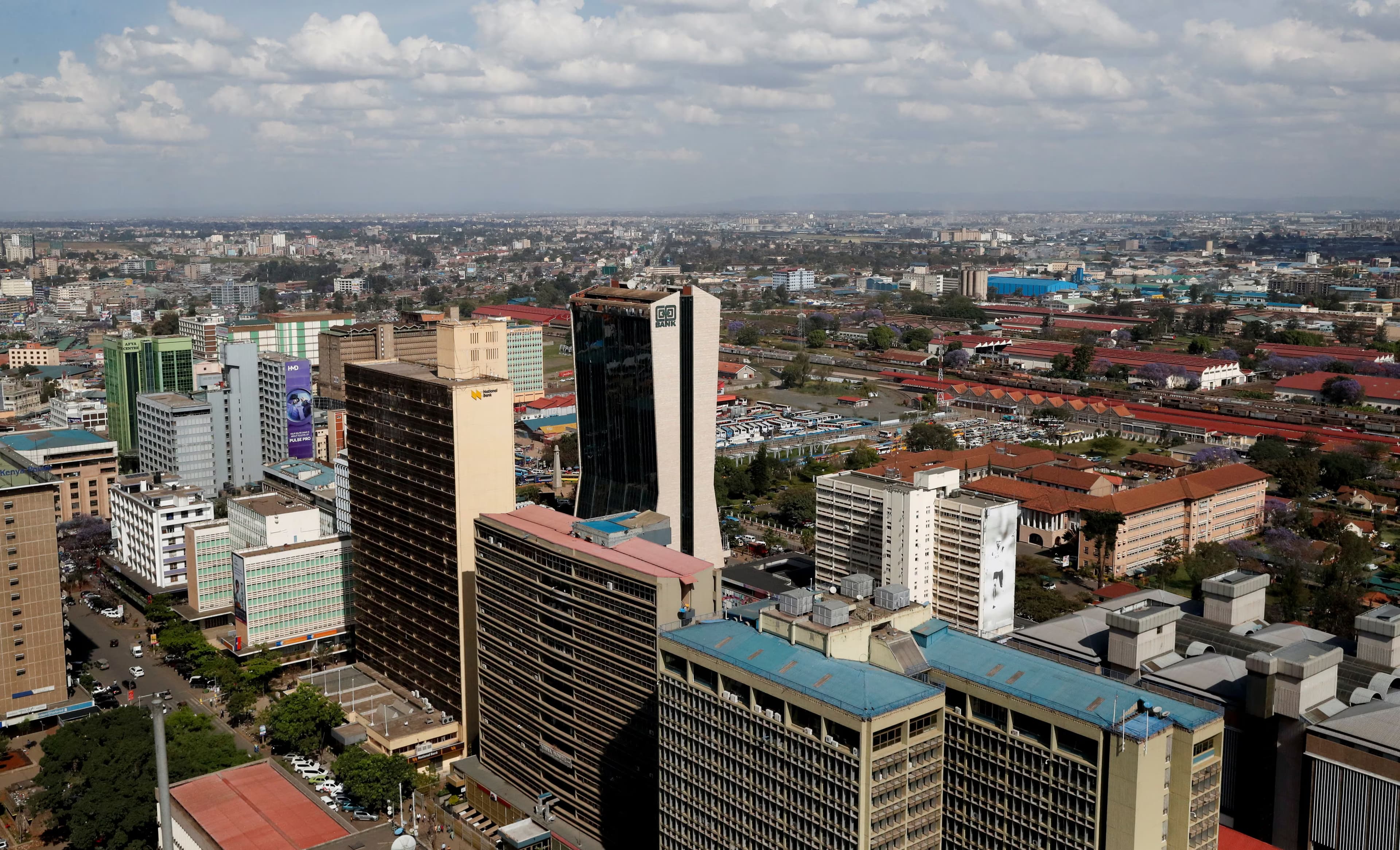
A vast economic gulf separates Kenya's counties, with new data revealing that just five counties generate nearly half of the nation's total economic output. The latest Gross County Product (GCP) report by the Kenya National Bureau of Statistics (KNBS) lays bare the stark concentration of wealth, a reality that shapes the lives and futures of millions across the country.
This deep disparity is the central challenge to Kenya's devolution promise. While designed to spread resources and opportunities, the economic powerhouse of Nairobi City, contributing a colossal 27.5% to the national Gross Value Added (GVA), underscores a persistent centralisation of economic activity. This means for every 100 shillings of economic value created in Kenya, Nairobi produces 27 shillings and 50 cents, leaving the remaining 46 counties to share the rest.
The concentration of wealth is not just a Nairobi phenomenon. The capital, alongside Kiambu (5.6%), Nakuru (5.2%), Mombasa (4.8%), and Meru (3.4%), collectively accounts for a staggering portion of Kenya's economic might. These counties, noted the KNBS, are distinguished by their diverse and robust economies.
Their dominance is largely attributed to a blend of factors:
In sharp contrast, the report highlights a troubling reality for a significant portion of the country. Fifteen counties each contribute less than one per cent to the national economy, their combined output paling in comparison to the capital. These include counties largely from arid and semi-arid lands (ASALs) such as Isiolo, Samburu, Tana River, and Lamu, each contributing a mere 0.3%.
The KNBS report attributes their marginal contribution to several challenging factors. Unfavourable weather conditions severely limit agricultural output, which remains the primary livelihood for many. Furthermore, these regions suffer from low levels of manufacturing and other industrial activities, creating a cycle of limited opportunities and economic stagnation. This economic reality directly impacts the quality of life, from the availability of healthcare and education to the prospects of finding a stable job.
This is not just a story of statistics; it is a narrative of lived experience. The economic output of a county directly influences its capacity to generate revenue, attract investment, and ultimately, provide for its citizens. For a family in Nakuru, the county's KSh 787.7 billion economy may translate into better roads and more job opportunities in a thriving agricultural and industrial sector. Conversely, for a family in Isiolo, with the lowest GCP of KSh 37.6 billion, it means grappling with scarce resources and opportunities.
The disparity is further reflected in individual wealth. The GCP per capita—a measure of average economic output per person—in Nairobi stands at KSh 802,344. This is a world away from the reality in eighteen counties where the GCP per capita fell below KSh 150,000 in 2022, underscoring the vast gap in economic well-being.
As Kenya continues on its devolved path, bridging this great economic divide remains the most critical test. Ensuring that economic growth is not just a headline figure but a tangible reality that puts food on the table for every Kenyan, regardless of their county, is the ultimate measure of success.
Keep the conversation in one place—threads here stay linked to the story and in the forums.
Sign in to start a discussion
Start a conversation about this story and keep it linked here.
Other hot threads
E-sports and Gaming Community in Kenya
Active 9 months ago
The Role of Technology in Modern Agriculture (AgriTech)
Active 9 months ago
Popular Recreational Activities Across Counties
Active 9 months ago
Investing in Youth Sports Development Programs
Active 9 months ago