We're loading the full news article for you. This includes the article content, images, author information, and related articles.
The National Treasury faces mounting pressure as public debt escalates, crossing KES 11.81 trillion. Stalled negotiations with the IMF over how to classify new loans place Kenya's financial future at a precarious crossroads, directly impacting the cost of living for every citizen.
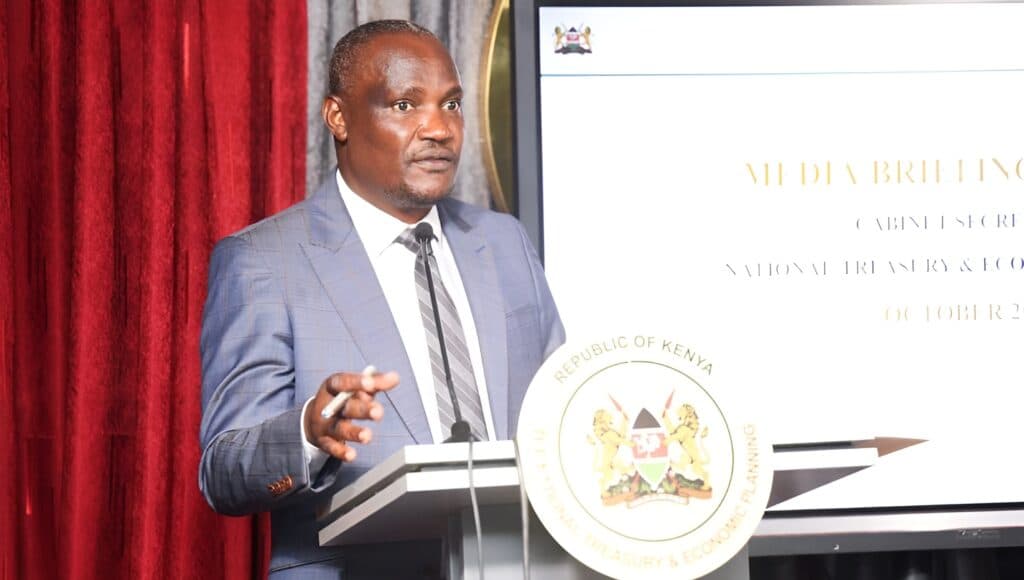
Kenya's public debt has surged to a staggering KES 11.81 trillion, a figure that casts a long shadow over the nation's economic stability. This sharp increase comes as critical negotiations with the International Monetary Fund (IMF) for a new support package have hit a deadlock, creating uncertainty that threatens to ripple through every household.
The heart of the issue lies in a high-stakes disagreement over Kenya's financial strategy. The government is pursuing infrastructure funding through securitisation—a method of borrowing against future revenues—which it argues should not be classified as traditional sovereign debt. However, the IMF insists these loans must be recorded on the national balance sheet, a position that has stalled a potential new deal after the previous $3.6 billion (approx. KES 465 billion) programme expired.
This is not just a debate for economists in Nairobi boardrooms; it has direct consequences for the Kenyan people. The country's debt-to-GDP ratio now stands at 69 percent, well above the 55 percent ceiling recommended by the IMF and Parliament. Central Bank Governor Kamau Thugge recently warned Parliament that while the debt is currently sustainable, the country faces a "high risk of debt distress." This distress translates into higher taxes and reduced government spending on essential services like healthcare and education, as more revenue is diverted to repaying loans.
The impact is already being felt:
President William Ruto's administration is now walking a financial tightrope. The stalled IMF talks have forced the Treasury to seek alternative financing, including a planned $170 million (approx. KES 22 billion) Samurai bond from Japan, while suspending a similar bond from China. This diversification signals an attempt to reduce reliance on single lenders but also highlights the urgent need for capital.
Analysts note that an IMF deal is crucial not just for the funds it provides, but for the seal of approval it gives to other international lenders. Without it, Kenya may face higher interest rates on future borrowing. The Parliamentary Budget Office has repeatedly warned about the country's debt trajectory, noting that a significant portion of every 100 shillings collected in revenue is spent on debt repayments.
As the Treasury and the IMF prepare for follow-up meetings, the outcome will determine Kenya's fiscal path for years to come. For ordinary Kenyans, the hope is for a resolution that eases the economic burden, rather than tightening the squeeze on their already strained finances.
Keep the conversation in one place—threads here stay linked to the story and in the forums.
Sign in to start a discussion
Start a conversation about this story and keep it linked here.
Other hot threads
E-sports and Gaming Community in Kenya
Active 9 months ago
The Role of Technology in Modern Agriculture (AgriTech)
Active 9 months ago
Popular Recreational Activities Across Counties
Active 9 months ago
Investing in Youth Sports Development Programs
Active 9 months ago



