We're loading the full news article for you. This includes the article content, images, author information, and related articles.
Soaring costs, a critical skills shortage, and slow tech adoption are squeezing the nation's vital construction sector, industry leaders warned at a major Nairobi summit.
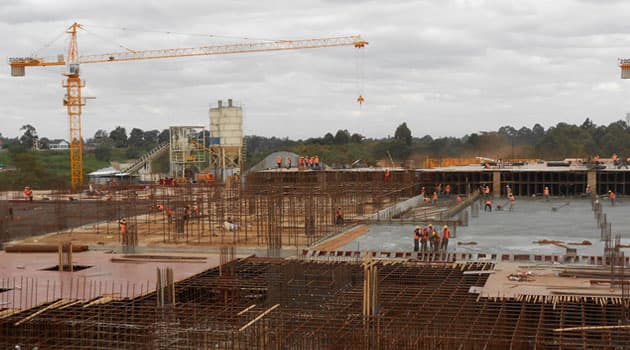
Kenya's construction sector, a crucial engine for economic growth, is facing a perfect storm of rising material costs, a severe shortage of skilled labour, and a hesitant embrace of new technology.
This triple threat is not just an industry problem; it directly impacts the cost of housing, the quality of infrastructure, and the future of jobs for thousands of Kenyans. The issues dominated discussions at the recent Big 5 Construct Kenya event in Nairobi, which brought together over 9,600 professionals to find a way forward.
Contractors and developers at the summit flagged volatile currency and high material costs as key factors shrinking their profit margins. This pressure is felt directly by ordinary citizens, as rising expenses for essentials like cement and steel inevitably translate into higher prices for homes and rent. The sector, which contributes over 6% to the nation's GDP, now finds itself in a precarious position, struggling to keep projects viable.
Beyond the balance sheets, a human resource crisis is unfolding. There is a glaring gap between the construction boom and the availability of qualified workers. A recent National Construction Authority (NCA) survey revealed that a staggering 70% of construction workers in the country lack formal training. This skills deficit leads to project delays, cost overruns, and concerns over safety and quality. The urgency was palpable at the summit, where over 1,610 professionals attended certified training sessions on safety, project management, and regulatory compliance.
While modern technologies like Building Information Modelling (BIM), drones, and modular systems offer a lifeline, their adoption in Kenya remains slow. Exhibitors from over 20 countries showcased solutions designed to cut costs and speed up construction, but many local firms, especially smaller ones, are held back by high upfront investment and a lack of technical expertise. Analysts noted that without clearer industry standards and stronger client demand, the productivity gains from these technologies will remain out of reach for many.
The industry stands at a crossroads. The path forward requires a concerted effort to stabilize supply chains, invest heavily in vocational training, and create incentives for technology adoption to ensure the foundation of Kenya's development remains strong.
Keep the conversation in one place—threads here stay linked to the story and in the forums.
Sign in to start a discussion
Start a conversation about this story and keep it linked here.
Other hot threads
E-sports and Gaming Community in Kenya
Active 9 months ago
The Role of Technology in Modern Agriculture (AgriTech)
Active 9 months ago
Popular Recreational Activities Across Counties
Active 9 months ago
Investing in Youth Sports Development Programs
Active 9 months ago