We're loading the full news article for you. This includes the article content, images, author information, and related articles.
**A new Auditor-General report reveals that homes and businesses failed to pay for 140 million units of electricity in the year ending June 2025, deepening financial strain on Kenya Power.**
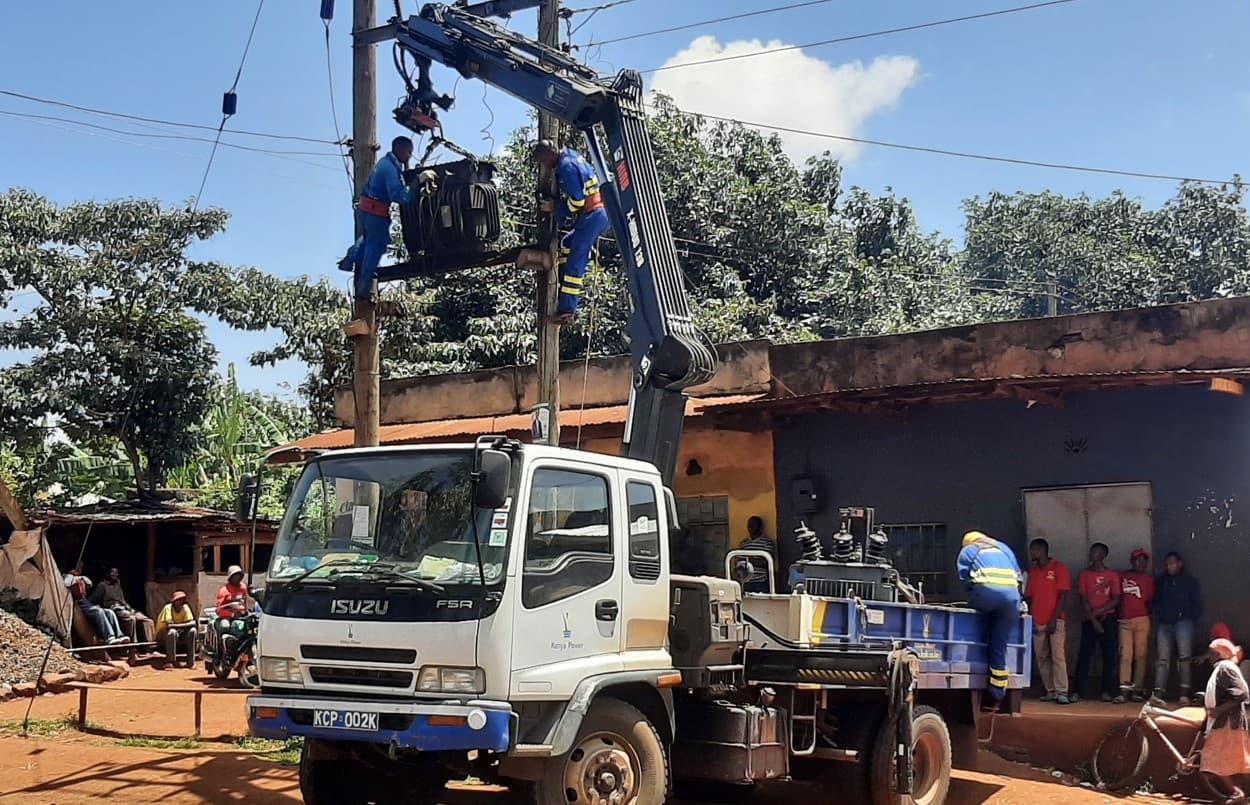
Kenyan consumers have defaulted on electricity bills amounting to KES 4.67 billion in the financial year ending June 2025, a startling figure that underscores the growing financial pressure on households and businesses. The debt, disclosed in a recent report by Auditor-General Nancy Gathungu, equates to 140.06 million units of consumed but unpaid electricity, punching a significant hole in the revenues of the national utility, Kenya Power.
This surge in unpaid bills is a critical challenge for Kenya Power, which is already grappling with a complex financial landscape. The defaults come at a time when the company's total outstanding bills are estimated to exceed KES 30 billion, forcing it to engage debt collectors to recover the long-overdue payments. The Auditor-General's report specifically highlighted the lack of clarity on measures being taken to collect the unpaid KES 4.67 billion.
A significant portion of the unpaid debt is held by government institutions. County governments alone owe Kenya Power KES 5.67 billion, making up nearly 15% of the total unpaid bill of KES 39.03 billion as of June 2025. Auditor-General Gathungu noted that efforts by Kenya Power to recover these specific debts from the 47 county governments have not yielded positive results. This issue is compounded by disputes over the exact amounts owed, with a review of 10 counties revealing a KES 2.37 billion discrepancy between Kenya Power's records and the counties' figures.
The persistent defaults have forced Kenya Power into difficult financial maneuvers. The utility has previously written off billions in unrecoverable debt and, in the year ended June 2025, transferred KES 5.69 billion worth of unpaid bills to debt collection firms.
For the average Kenyan, the high cost of electricity remains a significant burden on household budgets and business operations. Factors contributing to the high tariffs include:
This financial strain on the utility, exacerbated by billions in unpaid bills, threatens its ability to invest in crucial infrastructure, potentially leading to less reliable power and delayed connections for over 21,000 customers who have already paid. While Kenya Power's net profit saw a decline to KES 24.47 billion in the year under review, the challenge of uncollected revenue remains a primary threat to its long-term stability and service delivery to a nation of over 10 million connected customers.
Looking forward, the utility's ability to navigate these financial headwinds will be crucial. As one analyst noted, while the company has shown resilience, its profitability remains constrained by regulatory uncertainty and foreign exchange volatility. The collection of outstanding debts, particularly from large government defaulters, is not just a line item on a balance sheet—it's essential for keeping the lights on for millions of Kenyans.
Keep the conversation in one place—threads here stay linked to the story and in the forums.
Sign in to start a discussion
Start a conversation about this story and keep it linked here.
Other hot threads
E-sports and Gaming Community in Kenya
Active 9 months ago
The Role of Technology in Modern Agriculture (AgriTech)
Active 9 months ago
Popular Recreational Activities Across Counties
Active 9 months ago
Investing in Youth Sports Development Programs
Active 9 months ago



