We're loading the full news article for you. This includes the article content, images, author information, and related articles.
Local wrestlers are defying the odds as they race against time to secure coveted spots for the upcoming 2026 African Wrestling Championships in Egypt, demanding more state backing to elevate the sport.
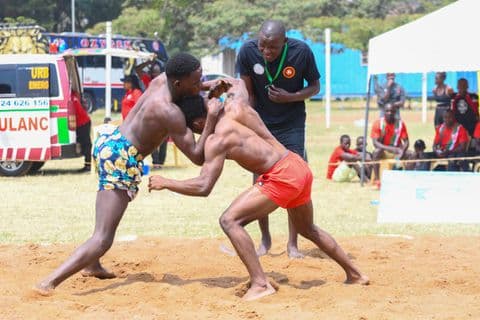
Local wrestlers are defying the odds as they race against time to secure coveted spots for the upcoming 2026 African Wrestling Championships in Egypt, demanding more state backing to elevate the sport.
The whistle has blown, the mats are rolled out, and the stakes have never been higher for Kenya's grappling elite. In a dramatic race against time, Kenyan wrestlers are fiercely competing to secure their spots for the highly anticipated 2026 African Wrestling Championships.
Scheduled to take place from April 27 to May 2, 2026, in Alexandria, Egypt, the continental showdown represents a critical stepping stone for local athletes. The implications of this tournament stretch far beyond individual glory. For many competitors, this is not merely an athletic contest; it is an existential fight for recognition, funding, and a vital chance to permanently place East Africa on the global combat sports map ahead of the 2026 Youth Olympic Games in Dakar. The outcome here will dictate the trajectory of Kenyan wrestling for the next decade.
Despite a spectacular and highly publicized start to the local league last weekend, the underlying narrative within the training camps remains one of immense financial and infrastructural struggle. Kenya Amateur Wrestling Association (KAWA) Secretary General Eric Warucho has been incredibly vocal about the sport's immense, untapped potential. Warucho emphasizes that the fledgling league possesses a tremendous upside, provided it receives adequate, sustained backing from the national government and corporate sponsors.
"The league has been growing steadily, thanks to the emergence of talented young wrestlers, especially women," Warucho stated during a recent press briefing. "They're not only shining in the sport but also creating employment opportunities for themselves and others." The reality on the ground, however, is stark. Without an injection of millions of shillings (approximately KES 15m) in dedicated funding, top-tier athletes often resort to self-funding their travel, accommodation, and grueling training camps—a massive financial burden that severely derails their competitive focus and overall well-being.
One of the most compelling and inspiring storylines of this current season is the meteoric rise of female wrestlers who are actively breaking traditional gender barriers in Kenyan sports. Jemimah Wanjala, an ambitious pugilist and dedicated grappler, has emerged as a beacon of hope and a powerful role model for the next generation. Her difficult yet rewarding journey from the grassroots community level to the national stage is a testament to the resilience of Kenyan women in demanding combat sports.
"Don't be afraid to try something new. Wrestling is a sport that builds confidence, discipline, and strength," Wanjala urged young girls across the country in a recent outreach program. "Come join us and be part of this exciting journey!" Her passionate call to action resonates deeply in a nation where mainstream sports like athletics, football, and rugby have traditionally overshadowed martial arts. The deliberate inclusion of women in the U17, U20, and Senior categories at the upcoming championships highlights a highly progressive shift in KAWA's talent development pipeline.
As the East African powerhouse diligently prepares to face off against historically dominant North African heavyweights like Egypt and Algeria, the technical and financial disparity becomes glaringly obvious. Reigning Kenyan champion Joel Tukai has openly called on the Ministry of Youth Affairs, Creative Economy and Sports to finally throw its full institutional weight behind the discipline. Tukai fundamentally believes that bridging this competitive gap requires more than just raw, unpolished talent; it necessitates world-class training facilities, international coaching exchanges, and consistent exposure to high-level tournaments.
"We need uncompromising support to take our skills to the next level," Tukai explained to local media. "With the right backing, we can confidently bring home medals and make Kenya proud on the international stage." The path to Alexandria is currently paved with intensely rigorous, sweat-drenched training regimens, but the athletes lack the advanced sports science support enjoyed by their Egyptian counterparts.
To fully grasp the magnitude and critical nature of the upcoming championships, one must look at the essential deliverables expected from the highly motivated Kenyan contingent:
As the intense countdown to late April rapidly narrows, all eyes within the regional sports community are fixed on the rigorous, uncompromising selection process. The grit, blood, and determination displayed on the local mats will very soon be tested under the glaring, unforgiving lights of Alexandria. "We are ready to conquer, but we cannot do it entirely alone," concludes Tukai. "The time for Kenya to invest in its fighters is right now."
Keep the conversation in one place—threads here stay linked to the story and in the forums.
Sign in to start a discussion
Start a conversation about this story and keep it linked here.
Other hot threads
E-sports and Gaming Community in Kenya
Active 9 months ago
The Role of Technology in Modern Agriculture (AgriTech)
Active 9 months ago
Popular Recreational Activities Across Counties
Active 9 months ago
Investing in Youth Sports Development Programs
Active 9 months ago