We're loading the full news article for you. This includes the article content, images, author information, and related articles.
Middle and high-income earners face increased mandatory pension deductions from February 2026, as the fourth phase of the NSSF Act of 2013 kicks in, raising fresh questions about household budgets versus long-term savings.
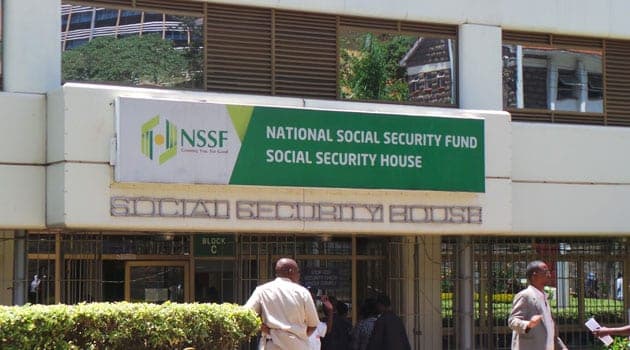
Kenyan workers brace for another squeeze on their monthly earnings as higher National Social Security Fund (NSSF) contributions are set to take effect from February 1, 2026.
This marks the fourth year of the phased implementation of the NSSF Act of 2013, a government initiative designed to bolster the nation's retirement savings. The change doesn't introduce a new tax but expands the portion of an employee's salary subject to the mandatory 6% deduction, which is matched by the employer. For thousands of salaried Kenyans, this means a smaller pay packet at a time when households are already navigating a high cost of living, stagnant real wages, and other statutory deductions.
The upcoming adjustment hinges on raising the pensionable earnings limits. While workers earning less than KES 50,000 per month will be largely unaffected, the impact will be significant for those with higher incomes.
The new structure is defined by two key changes:
For a mid-level employee earning KES 100,000, their monthly contribution will rise from KES 4,320 to KES 6,000. Top earners making KES 108,000 or more will see their personal deduction increase from KES 4,320 to a new maximum of KES 6,480. When the employer's matching portion is included, the total monthly retirement saving for a top earner will reach KES 12,960.
The government and trade unions argue that these enhanced contributions are critical for the country's future. The goal is to move away from the previous system's inadequate lump-sum payouts and ensure retirees have a more sustainable income. NSSF Managing Trustee David Koros has previously stated that the fund's growth, projected to surpass KES 600 billion by 2026, is essential for providing Kenyans with a decent pension.
The Central Organisation of Trade Unions (COTU) has consistently supported the implementation, framing it as a necessary savings mechanism. Union leaders have emphasized that the contributions are a saving, not a tax, designed to protect workers from old-age poverty.
However, the timing of the increase has drawn criticism. Labour experts and employer groups warn that the move will deepen the financial strain on salaried workers already contending with high inflation and other levies. The Federation of Kenya Employers (FKE) has been vocal about the rising cost of doing business and the burden on employees. In a recent statement, FKE Executive Director Jacqueline Mugo noted that employees can no longer bear additional deductions from their payslips, urging the government to focus on fiscal responsibility rather than increasing payroll burdens.
While the deductions are tax-deductible—meaning the actual hit on net pay for a top earner is closer to KES 1,512 rather than the full KES 2,160 increase—the reduction in disposable income is undeniable. This comes as many households are already cutting back on non-essential spending. As the 2026 deadline approaches, the debate intensifies, highlighting the difficult trade-off between securing a dignified retirement and affording the present.
Keep the conversation in one place—threads here stay linked to the story and in the forums.
Sign in to start a discussion
Start a conversation about this story and keep it linked here.
Other hot threads
E-sports and Gaming Community in Kenya
Active 9 months ago
The Role of Technology in Modern Agriculture (AgriTech)
Active 9 months ago
Popular Recreational Activities Across Counties
Active 9 months ago
Investing in Youth Sports Development Programs
Active 9 months ago