We're loading the full news article for you. This includes the article content, images, author information, and related articles.
The landmark Strategic Trade and Investment Partnership (STIP) is nearing completion, a critical move to secure and expand Kenya's access to the American market as the era of the AGOA trade preference scheme concludes.
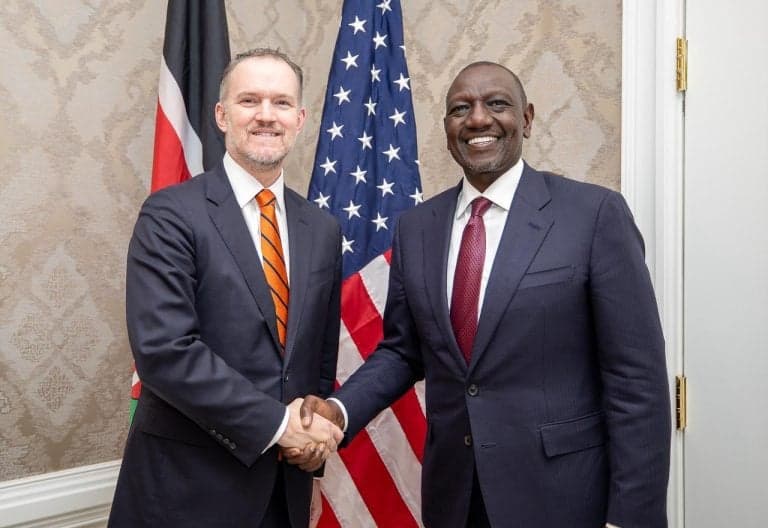
Kenya and the United States are advancing plans to finalize a comprehensive bilateral trade pact, a strategic maneuver designed to bolster Kenya's high-value exports and safeguard thousands of jobs. President William Ruto has emphasized the deal is expected to be signed before the end of 2025, creating a new framework for economic engagement between the two nations.
This new agreement, officially the Strategic Trade and Investment Partnership (STIP), is crucial as the African Growth and Opportunity Act (AGOA) expired on September 30, 2025. For 25 years, AGOA provided duty-free access to the U.S. for over 1,800 products from eligible African countries, forming the backbone of Kenya's export strategy, particularly in textiles. The end of that era makes the STIP not just an opportunity, but a necessity for Kenyan producers.
The STIP aims to move beyond the one-way preferences of AGOA to a more reciprocal, high-standard agreement. Launched on July 14, 2022, the partnership is designed to increase investment, promote sustainable and inclusive economic growth, and benefit workers and businesses in both countries. Total two-way trade between the nations has been valued at over $1.24 billion (approx. KES 160 billion) annually.
Negotiators have held multiple rounds of talks, with the eighth round taking place in Washington D.C. in September 2024. These discussions have focused on key areas intended to modernize the trade relationship and ensure it delivers tangible benefits on the ground.
Key focus areas of the STIP include:
The primary impact of the STIP will be felt in the job market, particularly in the textile and apparel sector. This industry is the single biggest beneficiary of preferential access to the U.S. market, earning Sh60.57 billion from American exports in 2024 and directly employing over 66,000 Kenyans. Without a new deal to replace AGOA, these jobs would be at significant risk from new tariffs.
President Ruto has noted that Kenya is seeking expanded market access for its key exports, including apparel, tea, coffee, and avocados, while also exploring new opportunities in mining and fishing. For farmers, the agreement aims to streamline agricultural trade, which could lead to better prices and more stable incomes. In 2022, Kenya's top exports to the U.S. included apparel, coffee, and macadamia nuts.
While the STIP is not expected to address tariff barriers initially, it focuses on reducing non-tariff barriers that can be just as costly for businesses. By aligning standards and regulations, the pact aims to make it easier and cheaper for Kenyan goods to enter the U.S. market.
Looking forward, the successful conclusion of the STIP would mark the first such agreement between the United States and a sub-Saharan African nation. As Trade Principal Secretary Alfred K'Ombudo continues to lead the Kenyan delegation in negotiations, the nation watches closely, hopeful for a new partnership that will anchor its economic future and put more money in the pockets of its citizens.
Keep the conversation in one place—threads here stay linked to the story and in the forums.
Sign in to start a discussion
Start a conversation about this story and keep it linked here.
Other hot threads
E-sports and Gaming Community in Kenya
Active 9 months ago
The Role of Technology in Modern Agriculture (AgriTech)
Active 9 months ago
Popular Recreational Activities Across Counties
Active 9 months ago
Investing in Youth Sports Development Programs
Active 9 months ago