We're loading the full news article for you. This includes the article content, images, author information, and related articles.
Health CS Aden Duale insists patient secrets remain safe as Washington shifts to direct government funding, bypassing NGOs in a historic 'America First' pivot.
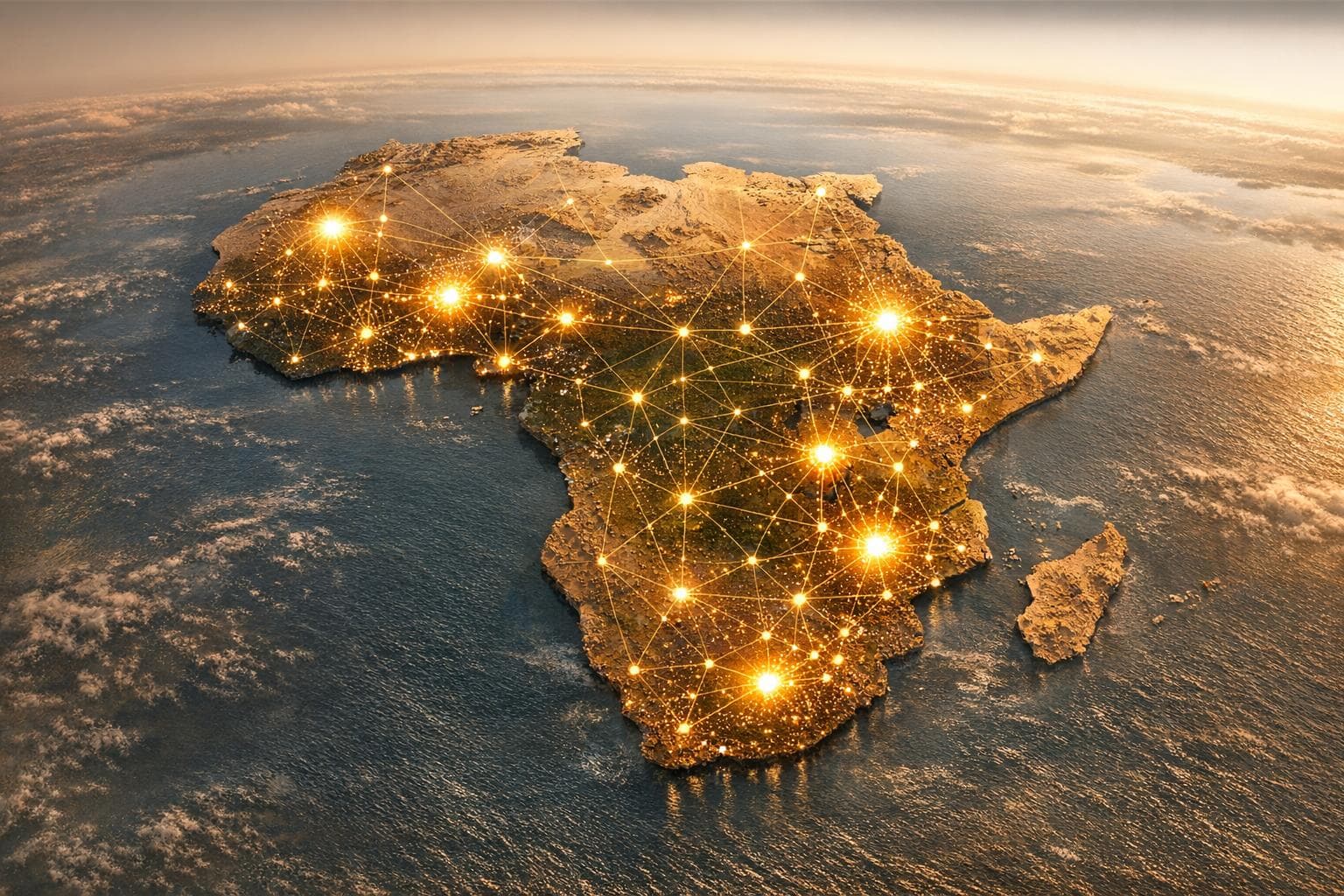
NAIROBI — It is a deal defined as much by what it hides as what it reveals. On Monday, Kenya and the United States operationalized a contentious seven-year data-sharing agreement, the final cog in a massive $1.6 billion (approx. KES 208 billion) health partnership that fundamentally rewrites how foreign aid enters the country.
For decades, American health dollars have flowed through a complex web of Non-Governmental Organizations (NGOs). That era is effectively over. Under the new "America First" global health strategy championed by U.S. Secretary of State Marco Rubio, Washington will now wire funds directly to Kenyan state agencies—but only in exchange for unprecedented visibility into how that money performs.
The agreement, signed in Nairobi just days after President William Ruto’s high-profile Washington visit, commits Kenya to sharing granular health data with U.S. authorities until 2032. While the government hails this as a victory for sovereignty, it has sparked fierce debate over the sanctity of Kenyan medical records.
The controversy reached a fever pitch last week when whistleblower Nelson Amenya alleged the deal would grant the U.S. "unrestricted, real-time access" to the private medical histories of millions of Kenyans, including HIV status and vaccination records.
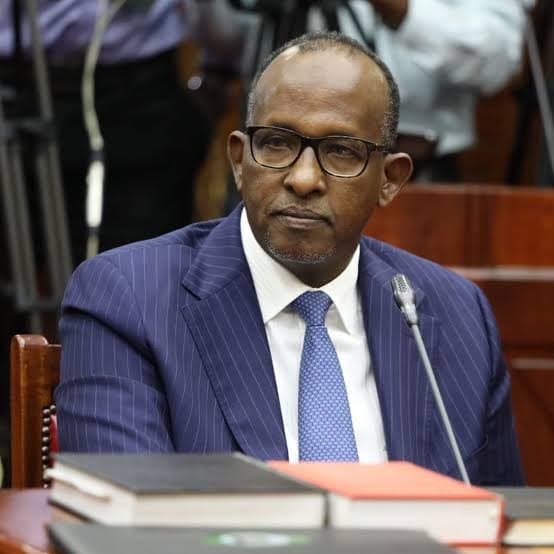
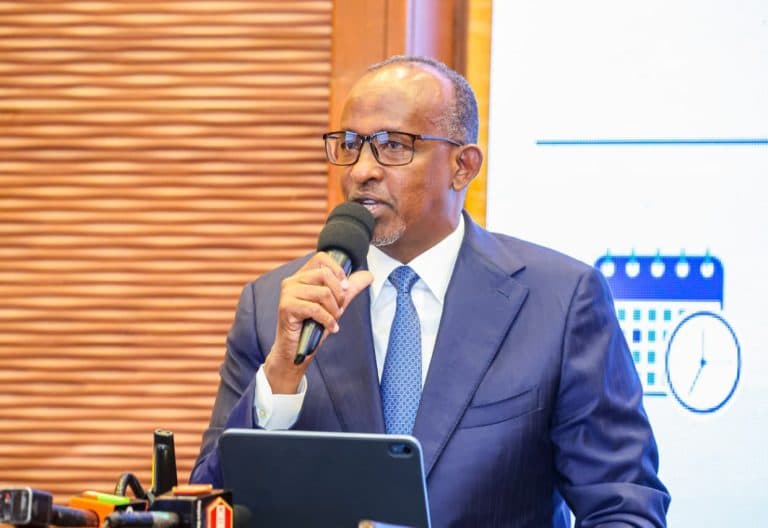
Health Cabinet Secretary Aden Duale has moved swiftly to extinguish these fires. Speaking from Afya House, Duale was categorical: the vault is open, but the personal files are sealed.
"The Agreement goes further and sets a firm guardrail," Duale emphasized, referencing the text of the pact. "To the maximum extent practical, Kenya shall not provide individual-level data or personally identifiable information to the U.S. Government. That sentence exists to protect Kenyans."
According to the Ministry of Health, the data shared will be aggregated and de-identified. Washington will see trends—infection rates in a county, the number of ARVs dispensed, or malaria hotspots—but not the names or ID numbers of the patients behind the statistics. The agreement explicitly subjects all data exchange to Kenya's Data Protection Act, 2019 and the Digital Health Act, 2023.
Beyond the data privacy skirmish lies a seismic shift in the economics of aid. The United States has long been the financial backbone of Kenya's battle against HIV/AIDS, malaria, and tuberculosis. By cutting out international NGOs, the Ruto administration argues that more shillings will reach the actual clinics.
The numbers are staggering:
"We must remove the middle team," Duale noted, signaling a tough road ahead for the thousands of NGO workers whose roles may now be redundant. "We have signed a Government-to-Government (G2G) agreement. Every shilling and dollar will be spent efficiently, effectively, and accountably."
This "direct funding" model is a double-edged sword. While it empowers the Treasury, it places the burden of performance squarely on the government's shoulders. The seven-year data timeline is designed to let U.S. auditors verify that their taxpayers' money is actually saving lives.
If the data shows the Kenya Medical Supplies Authority (KEMSA) or the Social Health Authority (SHA) is failing to deliver, the funding tap could be tightened. The agreement includes a "process-metrics audit" allowing the U.S. to verify results in up to 5% of facilities.
For the common mwananchi, the geopolitical maneuvering matters less than the outcome: will the local dispensary have drugs? President Ruto insists this partnership is the fuel his Universal Health Coverage agenda needs.
"The framework we sign today adds momentum to my administration's universal health coverage," Ruto said. "It ensures modern equipment for hospitals, timely medical supplies, and health insurance for all."
Keep the conversation in one place—threads here stay linked to the story and in the forums.
Sign in to start a discussion
Start a conversation about this story and keep it linked here.
Other hot threads
E-sports and Gaming Community in Kenya
Active 9 months ago
The Role of Technology in Modern Agriculture (AgriTech)
Active 9 months ago
Popular Recreational Activities Across Counties
Active 9 months ago
Investing in Youth Sports Development Programs
Active 9 months ago
Key figures and persons of interest featured in this article