We're loading the full news article for you. This includes the article content, images, author information, and related articles.
A high-level joint committee has reported significant progress in clearing bottlenecks at crucial border posts, a move set to lower costs for businesses and consumers.
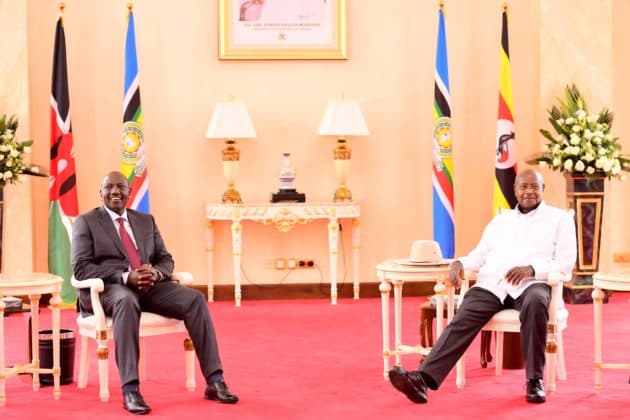
A renewed push by Kenya and Uganda to dismantle trade barriers is yielding tangible results at the border, easing the flow of goods and people and offering a glimpse of a more integrated East African economy.
This development is critical for thousands of Kenyan businesses and ordinary citizens, as Uganda remains Kenya's largest export market. Delays and complex procedures, known as Non-Tariff Barriers, have historically inflated the cost of doing business, a burden ultimately passed down to the consumer through higher prices on essential goods.
Following a meeting in Mbale, Uganda, a Joint Technical Committee (JTC) from both nations confirmed significant improvements at the Busia, Malaba, and Lwakhakha One-Stop Border Posts (OSBPs). The committee, co-led by Kenya’s Deputy Director of Trade, Joseah Rotich, and Uganda’s Assistant Commissioner for External Trade, Richard Okot Okello, conducted field visits to assess the progress firsthand.
The State Department for Trade noted that the changes are already unclogging some of the region's most vital economic arteries. The inspection tour was a follow-up to an earlier fact-finding mission in August 2025, which laid the groundwork for the current interventions.
The committee observed several key advancements directly aimed at reducing the chronic delays that have plagued these crossings:
These measures are part of a broader strategy to bolster bilateral economic ties, which both governments have reiterated are essential for regional growth. The smooth flow of trade is not just about numbers; it's about ensuring food security, creating jobs, and building a more resilient regional economy.
The ongoing collaboration signals a strong political will to finally resolve the persistent issues that have hampered trade for years, paving the way for a more prosperous future for both nations.
Keep the conversation in one place—threads here stay linked to the story and in the forums.
Sign in to start a discussion
Start a conversation about this story and keep it linked here.
Other hot threads
E-sports and Gaming Community in Kenya
Active 9 months ago
The Role of Technology in Modern Agriculture (AgriTech)
Active 9 months ago
Popular Recreational Activities Across Counties
Active 9 months ago
Investing in Youth Sports Development Programs
Active 9 months ago



