We're loading the full news article for you. This includes the article content, images, author information, and related articles.
The Central Bank of Kenya is betting on investor appetite for high returns to lock in long-term funding, a move that underscores the government's strategy to manage looming debt pressures.
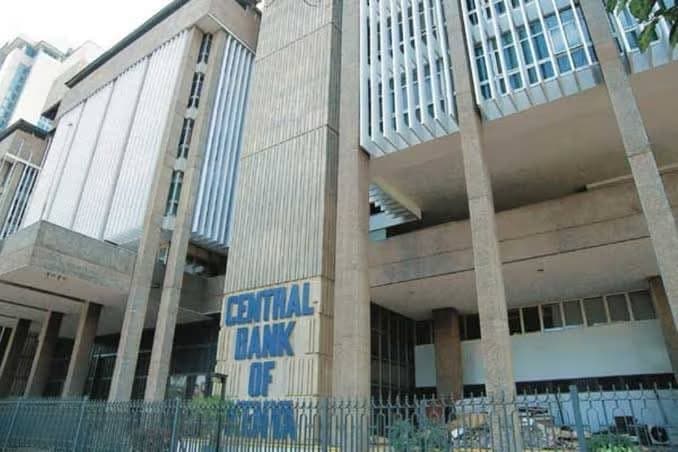
The Central Bank of Kenya (CBK) has opened a high-stakes auction for KES 40 billion in long-term Treasury bonds, a critical test of its strategy to ease pressure on public finances. The government is offering investors a chance to lock in high returns for decades through two reopened bonds: a 30-year paper with a 12% coupon and a 25-year bond offering a substantial 13.9240% annual return.
This move is not just about raising money; it's a direct execution of the National Treasury's 2025 Medium-Term Debt Management Strategy. The core goal is to lengthen the maturity profile of Kenya's domestic debt, converting short-term obligations that require frequent repayment into more predictable, long-term debt. By doing so, the Treasury aims to reduce the dangerous 'rollover risk'—the possibility of being forced to refinance maturing debt at much higher interest rates in the near future.
The push for long-term domestic borrowing comes as Kenya navigates a treacherous fiscal landscape. The nation's public debt has swelled, with debt servicing costs consuming an ever-larger slice of government revenue. This financial pressure is increasingly squeezing out spending on essential public services. For instance, the amount spent on debt repayments now significantly overshadows allocations for critical sectors like health and education, a reality that directly impacts every household.
This heavy government appetite for local loans has a knock-on effect on the wider economy. Analysts point to the "crowding-out" effect, where the government's extensive borrowing from local banks reduces the pool of credit available for private citizens and small businesses. When the government is the biggest borrower in town, it can drive up interest rates, making it more expensive for entrepreneurs to secure capital to grow their businesses and create jobs.
For investors, particularly pension funds and insurance companies, these long-term bonds offer a rare opportunity for stable, high-yield returns over a long horizon. The key details for potential bidders are clear:
The success of this auction will be closely watched. A similar 30-year bond offered in September was undersubscribed, as investors balked at what they considered a less attractive interest rate. The higher coupon on the 25-year bond in this auction suggests the CBK is keenly aware it needs to entice the market.
Ultimately, this KES 40 billion bond issue is more than a line item in the national budget. It represents a crucial part of the government's high-wire act to secure financial stability, the outcome of which will determine how much food Kenyans can put on the table and the quality of services they receive for years to come.
Keep the conversation in one place—threads here stay linked to the story and in the forums.
Sign in to start a discussion
Start a conversation about this story and keep it linked here.
Other hot threads
E-sports and Gaming Community in Kenya
Active 9 months ago
The Role of Technology in Modern Agriculture (AgriTech)
Active 9 months ago
Popular Recreational Activities Across Counties
Active 9 months ago
Investing in Youth Sports Development Programs
Active 9 months ago