We're loading the full news article for you. This includes the article content, images, author information, and related articles.
Kenya’s agricultural sector anticipates a massive windfall as a new duty-free trade agreement with China takes effect on May 1, 2026.

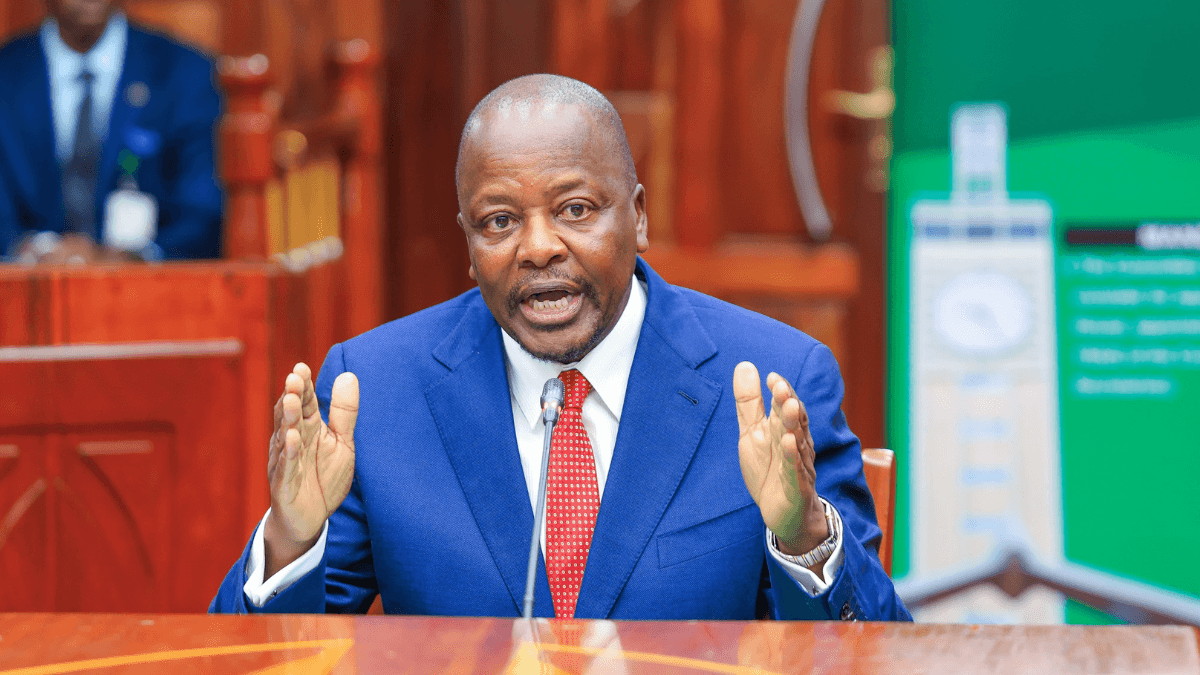
The strategic corridors of Nairobi’s Kilimo House have been abuzz with anticipation following a pivotal announcement that promises to redraw the map of Kenya’s agricultural export sector. Starting May 1, 2026, Kenyan farmers will gain unprecedented duty-free access to the Chinese market, a development officials hail as a potential watershed moment for the nation’s trade balance. Agriculture Cabinet Secretary Mutahi Kagwe confirmed the policy shift following high-level engagements with Chinese counterparts, signaling the commencement of a new era for local produce in Asia’s largest consumer economy.
For decades, Kenyan exporters have grappled with tariff barriers that stifled the competitiveness of key agricultural staples, often pushing local produce out of contention in the price-sensitive Chinese market. The upcoming policy change—a result of protracted negotiations stemming from President William Ruto’s recent state visits to Beijing—is designed to dismantle these fiscal hurdles. By zero-rating tariffs on major commodities, the deal aims to provide immediate relief to an export sector that has historically been overshadowed by an influx of Chinese machinery, electronics, and construction inputs, which have contributed to a widening trade deficit.
The economic stakes of this agreement cannot be overstated. For years, the trade relationship between Nairobi and Beijing has been characterized by a sharp asymmetry. While Kenya serves as a vital destination for Chinese manufactured goods, its own exports to China have struggled to break through, often hindered by both tariff walls and rigorous phytosanitary requirements. In 2025 alone, the value of Kenyan goods entering China was significantly eclipsed by the volume of Chinese imports, a trend that policymakers in Nairobi have characterized as unsustainable.
The removal of customs duties is expected to provide the much-needed leverage for Kenya’s flagship agricultural exports. Historically, Kenyan producers faced substantial tariffs that dampened profit margins and discouraged large-scale investment. According to industry data, the tariffs facing Kenyan goods have been varied and often punitive, depending on the commodity:
While the elimination of tariffs creates a clear path for increased export volumes, Cabinet Secretary Kagwe has sounded a note of pragmatic caution. During his recent briefings, he emphasized that merely accessing the market is insufficient if Kenya continues to export raw commodities. The government is now pivoting its strategy toward intense value addition, urging exporters to process goods locally before shipping them to the East.
The logic is compelling: by roasting coffee, blending tea, or processing macadamia nuts within Kenyan facilities, the country can capture significantly higher margins. This shift not only promises to bring more foreign exchange into the economy but also aims to spur industrial growth within the counties, creating thousands of jobs in processing, packaging, and logistics. This emphasis on value addition is a calculated move to ensure that the gains from the new trade agreement translate into tangible development in rural communities, rather than solely benefiting international middlemen.
Beyond the removal of tariffs, the path to Chinese supermarket shelves is paved with stringent phytosanitary requirements. Even with zero-duty access, the quality and safety standards mandated by the General Administration of Customs of China (GACC) remain a significant challenge for many Kenyan exporters. Success in this market will depend on the ability of Kenya’s agricultural sector to modernize its laboratory testing, improve cold-chain logistics, and ensure rigorous traceability from the farm to the port.
The government has acknowledged this challenge, with plans underway to strengthen research and technical support for farmers. This includes deeper collaboration on agricultural research, laboratory strengthening, and the exchange of technical staff between Nairobi and Beijing. The goal is to move beyond the current reliance on manual inspection processes to a more digitized, efficient export ecosystem that can meet the high standards demanded by global consumers.
Kenya’s entry into this duty-free arrangement aligns with a broader continental trend, as Beijing rolls out zero-tariff treatment for 53 African nations. However, for Kenya, this is more than just a continental policy win it is a critical attempt to diversify its export destinations. By reducing reliance on traditional markets in Europe and North America, and deepening ties with the world’s second-largest economy, Kenya is attempting to build a more resilient economic framework that can withstand global market shocks.
As the May 1 deadline approaches, the pressure is now on the private sector and the government to synchronize their efforts. Farmers in regions like Murang’a and Nyeri are watching closely, hoping that this policy shift will finally reflect in the prices they receive at the farm gate. If successfully executed, the initiative could transform the fortunes of Kenya’s export sector, providing the stimulus needed to balance the trade scales and empower the country’s agricultural backbone.
The true measure of this deal will not be the signing of the agreement, but the volume of containers leaving the Port of Mombasa destined for Shanghai in the months to come. As the dust settles on the policy negotiations, the real work for Kenyan exporters begins—a journey from the farm to the global stage that now, for the first time, faces one less barrier.
Keep the conversation in one place—threads here stay linked to the story and in the forums.
Sign in to start a discussion
Start a conversation about this story and keep it linked here.
Other hot threads
E-sports and Gaming Community in Kenya
Active 10 months ago
Popular Recreational Activities Across Counties
Active 10 months ago
The Role of Technology in Modern Agriculture (AgriTech)
Active 10 months ago
Investing in Youth Sports Development Programs
Active 10 months ago
Key figures and persons of interest featured in this article