We're loading the full news article for you. This includes the article content, images, author information, and related articles.
The government has officially initiated plans to build a commercial satellite launch facility near Malindi, a landmark project aimed at catapulting Kenya into the global space economy and ending reliance on foreign launch sites.
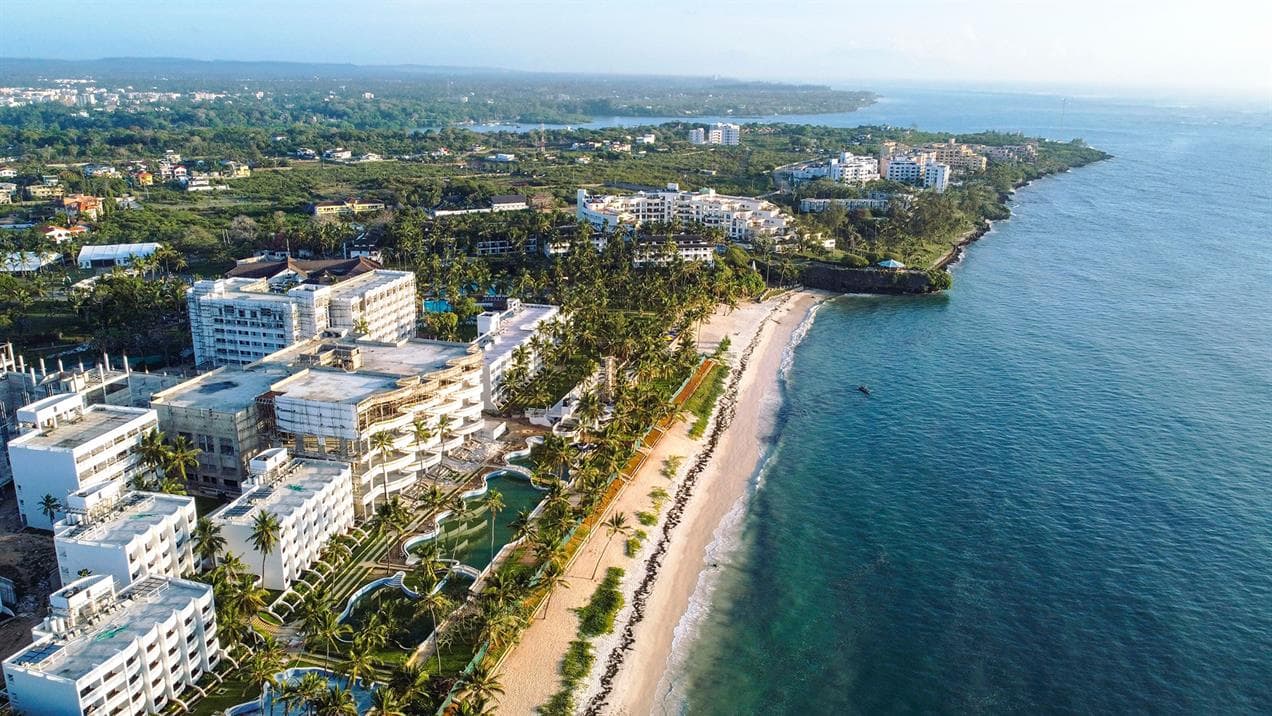
Kenya has formally begun its ambitious journey to the stars, firing the starting gun on a plan to construct Africa's next commercial spaceport along the Kilifi coastline. The National Treasury has initiated a search for a transaction advisor to steer the project, signaling a concrete step towards turning a long-held aspiration into a reality that could redefine the nation's technological and economic future.
This move is about more than national pride; it's a strategic economic calculation. By establishing a launch facility in the Kipini area, between Malindi and Lamu, Kenya aims to capture a lucrative market currently inaccessible to African nations. Currently, any African-made satellite must be shipped overseas for a costly launch, a significant hurdle for the continent's growing space industry. A Kenyan spaceport would drastically cut these costs and position the country as the premier gateway to space for the entire continent.
The project, spearheaded by the Kenya Space Agency (KSA), is being structured as a Public-Private Partnership (PPP), designed to attract international investment and expertise. The core advantage Kenya offers is simple geography: its position on the equator. Launching from the equator provides a natural boost from the Earth's rotation, meaning rockets require less fuel, which in turn lowers costs and allows for heavier payloads.
For the average Kenyan, the benefits, though not immediate, could be transformative. A domestic spaceport is expected to create high-tech jobs and spur growth in supporting industries. Furthermore, the satellites launched from our own soil could revolutionize key sectors of the economy:
The government's call for an advisor, with a submission deadline of February 13, 2026, is the first major milestone in a complex process that will involve a comprehensive feasibility study covering technical, financial, legal, and environmental factors.
While this new venture is forward-looking, Kenya is not starting from scratch. The nation has a rich history in space activities, having hosted the Italian-run San Marco Equatorial Range (now the Broglio Space Centre) near Malindi from 1964 to 1988, which saw dozens of rocket and satellite launches. In fact, discussions are ongoing with the Italian government to potentially revive launches from the Broglio Centre under Italy's Mattei Plan, an initiative to foster partnerships with African nations.
Analysts note that developing the spaceport will require careful coordination between numerous state agencies, including the Ministry of Defence, the Kenya Civil Aviation Authority, and the National Environmental Management Authority (NEMA). While details on the project's total cost remain under wraps pending the feasibility study, the long-term vision is clear. As Defence Cabinet Secretary Aden Duale emphasized during the launch of KSA's 2023-2027 strategic plan, investing in space technology is pivotal for Kenya's socio-economic advancement.
As Brigadier Hillary Kipkosgey, the KSA's Director General, expressed, with government backing, Kenya is primed to become a pivotal player in the global space arena. This coastal spaceport is not just about launching satellites; it's about launching the next chapter of Kenya's development story.
Keep the conversation in one place—threads here stay linked to the story and in the forums.
Sign in to start a discussion
Start a conversation about this story and keep it linked here.
Other hot threads
E-sports and Gaming Community in Kenya
Active 9 months ago
The Role of Technology in Modern Agriculture (AgriTech)
Active 9 months ago
Popular Recreational Activities Across Counties
Active 9 months ago
Investing in Youth Sports Development Programs
Active 9 months ago
Key figures and persons of interest featured in this article