We're loading the full news article for you. This includes the article content, images, author information, and related articles.
**Landmark multi-trillion shilling project to link Mombasa, Nairobi, and Konza Technopolis announced, promising to slash travel times but sparking urgent debate on the country's rising debt.**
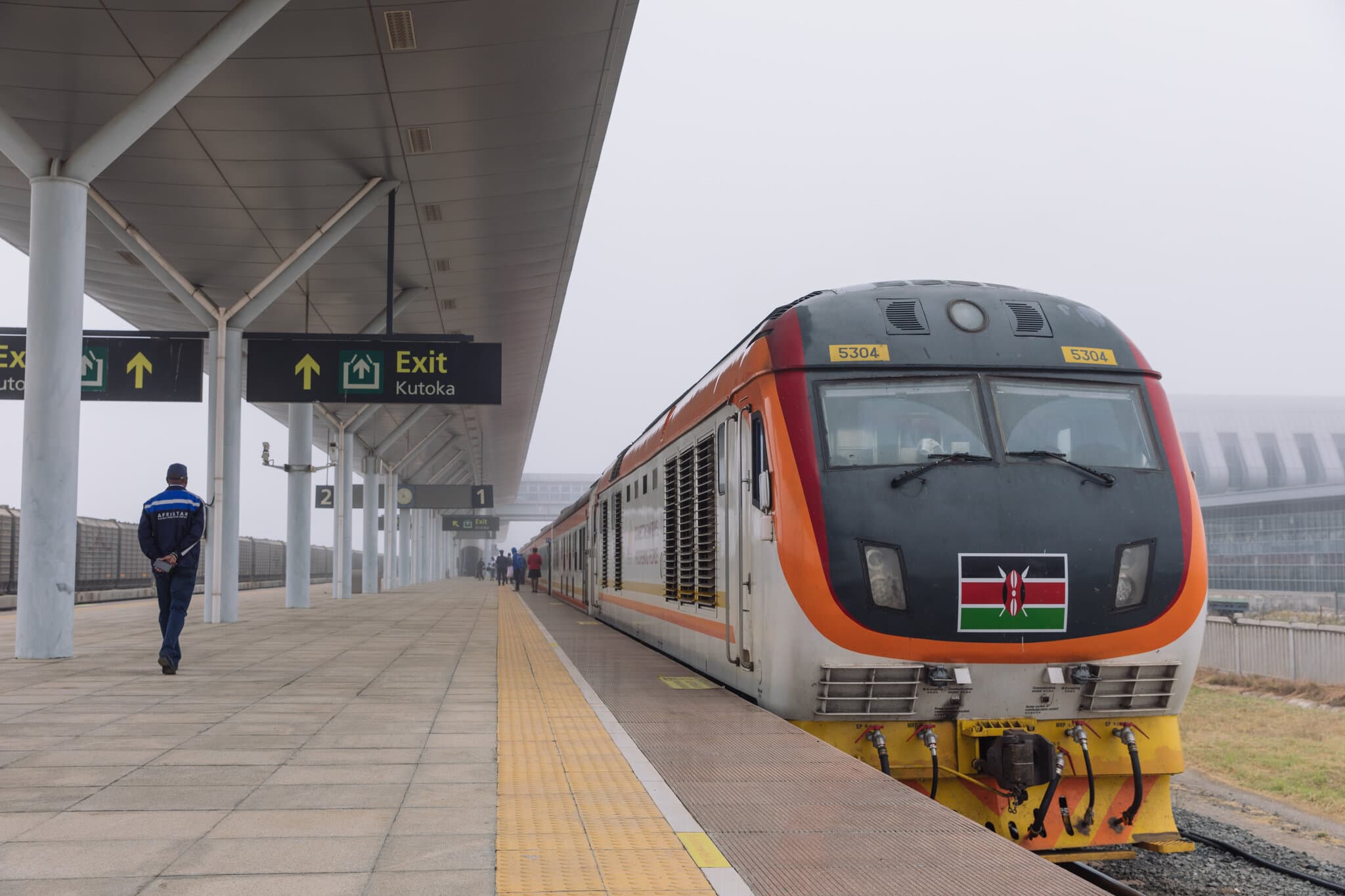
Kenya and Japan are set to develop a transformative high-speed rail network connecting Mombasa, Nairobi, and the Konza Technopolis. This ambitious project, a cornerstone of Kenya's Vision 2030, aims to catalyze economic growth but arrives as the nation grapples with significant financial questions.
The new line is poised to dramatically cut travel time and freight costs, potentially boosting the national GDP, much as the Standard Gauge Railway (SGR) did upon its launch. The government anticipates this will create thousands of jobs and solidify Kenya's position as East Africa's premier logistics hub.
The project represents one of the largest infrastructure investments in Kenya since independence and deepens the economic partnership between Kenya and Japan, which has already funded numerous projects across the country. Proponents argue the railway will be a game-changer for several key sectors:
However, the announcement comes at a precarious time for Kenya's public finances. Projections indicate the national debt could exceed KES 12 trillion by 2026, with debt servicing consuming an increasingly large portion of government revenue. Analysts are divided on whether the country can afford another mega-project without compromising fiscal stability.
While details on the financing structure remain scarce, the cost of high-speed rail in Africa is substantial, often running into billions of shillings per kilometer. This has ignited a critical debate on the project's long-term viability and its impact on the mwananchi, contrasting with the economic benefits seen from the Chinese-funded SGR.
The government has emphasized that it is exploring innovative financing options, including public-private partnerships, to mitigate the impact on the national budget. The project's success will ultimately hinge on its ability to generate enough economic activity to justify its monumental cost. As one economist noted, the railway must not only connect cities but also connect every Kenyan to a more prosperous future.
Keep the conversation in one place—threads here stay linked to the story and in the forums.
Sign in to start a discussion
Start a conversation about this story and keep it linked here.
Other hot threads
E-sports and Gaming Community in Kenya
Active 10 months ago
The Role of Technology in Modern Agriculture (AgriTech)
Active 10 months ago
Popular Recreational Activities Across Counties
Active 10 months ago
Investing in Youth Sports Development Programs
Active 10 months ago



