We're loading the full news article for you. This includes the article content, images, author information, and related articles.
The National Treasury is seeking a top-tier advisor to guide the development of a commercial satellite launch facility, a landmark project aimed at capturing a slice of the multi-billion dollar global space economy and positioning Kenya as Africa's celestial gateway
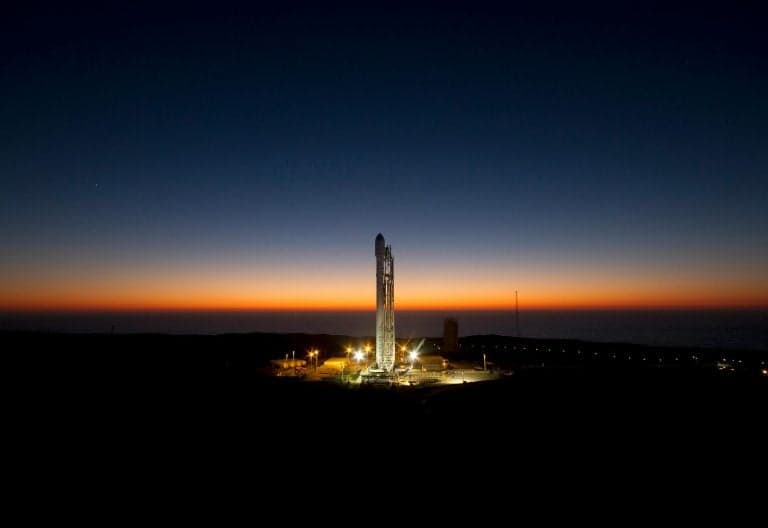
Kenya has taken a decisive step towards the stars, formally inviting bids for a transaction advisor to steer the creation of a commercial spaceport. This move signals the nation's concrete ambition to launch satellites from its own soil and carve out a strategic niche in the rapidly growing global space industry.
The project, spearheaded by the Kenya Space Agency (KSA) in collaboration with the National Treasury, is more than a matter of national prestige; it is a calculated economic strategy. With Africa currently lacking an active commercial launch site, nations across the continent are forced to send their satellites abroad for costly launches. A Kenyan spaceport would not only serve this captive market but also anchor a new high-tech ecosystem, promising skilled jobs and technological advancement in line with the country's Vision 2030 goals.
Kenya's primary asset in this race is its location. A launch site near the equator provides a natural velocity boost to rockets from the Earth's rotation, saving significant amounts of fuel and allowing for heavier payloads. This geographical advantage, combined with an east-facing coastline over the Indian Ocean for safe rocket stage disposal, makes Kenya an ideal candidate for a launch hub.
The search for an advisor, with a submission deadline of February 13, 2026, will kickstart a critical feasibility study. This study will assess the project's technical, financial, and environmental viability, and recommend a final location. While initial government documents point towards the Kipini area in Tana River County, a 2021 study identified Marsabit County as a prime contender due to its vast, sparsely populated lands and proximity to the LAPSSET corridor.
The ultimate cost remains a key question pending the advisory report. However, spaceports are capital-intensive. For perspective, the world's first purpose-built commercial spaceport in the United States, Spaceport America, cost approximately $219 million (approx. KES 28.5 billion) over a decade ago. A preliminary report on a potential Marsabit facility estimated initial construction costs could range from KES 5 billion to KES 7 billion annually.
The government is pursuing a Public Private Partnership (PPP) model to finance the ambitious undertaking. The appointed advisor will be tasked with structuring this partnership, marketing the project to investors, and navigating the complex regulatory landscape involving multiple agencies like the Ministry of Defence and the Kenya Civil Aviation Authority.
This initiative builds on decades of Kenyan involvement in space activities and aligns with the KSA's strategic plan to develop indigenous space capabilities. KSA's acting Director General, Brigadier Hillary Kipkosgey, has emphasized the agency's commitment to creating an enabling environment for investment and innovation in the sector.
While the journey from a tender document to a fully operational launchpad is long and complex, this first step is a powerful statement. As Brigadier Kipkosgey noted, with sustained government backing, Kenya is primed to become a pivotal player in the global space arena. This spaceport is not just about launching rockets; it's about launching the next chapter of Kenya's economic and technological development.
Keep the conversation in one place—threads here stay linked to the story and in the forums.
Sign in to start a discussion
Start a conversation about this story and keep it linked here.
Other hot threads
E-sports and Gaming Community in Kenya
Active 9 months ago
The Role of Technology in Modern Agriculture (AgriTech)
Active 9 months ago
Popular Recreational Activities Across Counties
Active 9 months ago
Investing in Youth Sports Development Programs
Active 9 months ago