We're loading the full news article for you. This includes the article content, images, author information, and related articles.
Kenya engages Ukraine over safety of Kenyans captured in Russia-Ukraine war
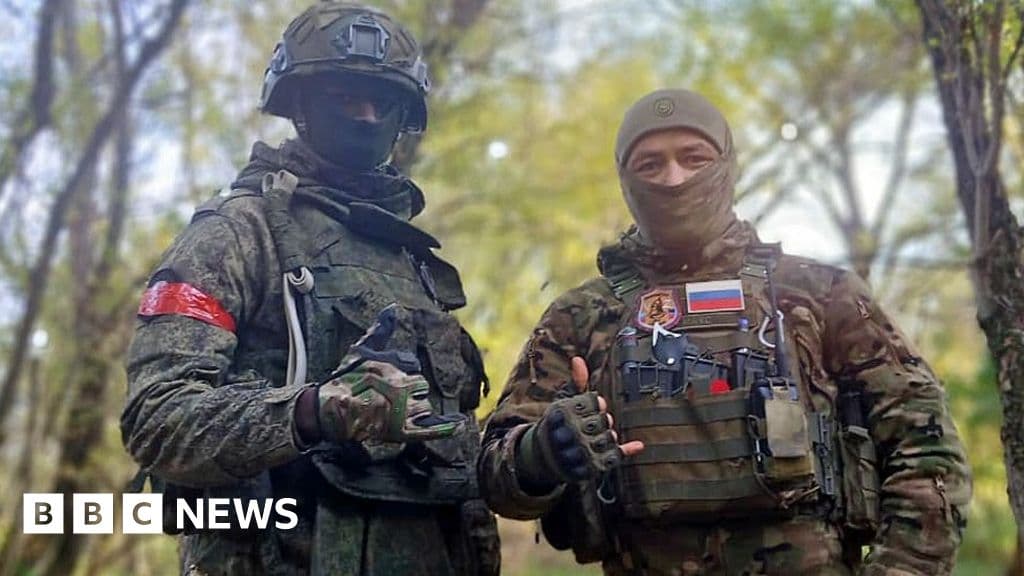
The Kenyan government has launched urgent diplomatic interventions with both Kyiv and Moscow to secure the safe return of over 1,000 Kenyans who were fraudulently recruited into the Russian military, facing horrific conditions on the frontlines.
In a deeply disturbing revelation that has shocked the nation, Kenya has found itself entangled in the deadly geopolitical quagmire of the Russia-Ukraine war. A comprehensive intelligence report has unmasked a sprawling human trafficking syndicate that systematically duped hundreds of desperate Kenyan youths with false promises of lucrative civilian employment, only to thrust them directly into the brutal meat grinder of the Eastern European conflict.
The escalating crisis has prompted a massive, high-level diplomatic scramble in Nairobi. The government is now racing against time to locate the missing, extract the surviving, and repatriate the bodies of the fallen, highlighting the extreme vulnerabilities facing economic migrants from the Global South when targeted by unscrupulous, transnational recruitment networks.
Spearheading the rescue operations, Foreign Affairs Principal Secretary Korir Sing'Oei convened critical, separate meetings on Friday with the top envoys of the warring nations stationed in Nairobi. In tense discussions with Ukraine's Ambassador to Kenya, Yurii Tokar, the PS directly addressed the welfare of Kenyan nationals who have been captured in combat and are currently held in detention facilities across Ukraine.
"I underscored the government's serious concern regarding Kenyans captured on the frontlines of the Russian-Ukrainian war and held as prisoners of war. We discussed the safety of these Kenyans and mechanisms for possible repatriation," Sing'Oei stated. He emphasized that the administration's absolute priority remains the safety, dignity, and swift return of every citizen entrapped in the conflict zone.
Simultaneously, Sing'Oei held hard-hitting talks with the Russian Ambassador to Kenya, Vsevolod Tkachenko. The PS utilized the diplomatic channel to unequivocally demand unimpeded consular access to all Kenyan nationals currently within Russian territory. He forcefully called for the immediate implementation of transparent, verifiable protocols for the repatriation of surviving recruits and the remains of deceased citizens, setting a firm foundation for Prime Cabinet Secretary Musalia Mudavadi's scheduled emergency trip to Moscow next month.
The sheer scale of the recruitment operation was laid bare before Parliament by Majority Leader Kimani Ichung'wah, who presented a classified National Intelligence Service (NIS) brief. The report painted a harrowing picture of a sophisticated, multi-layered conspiracy. Desperate job seekers were lured by illicit agencies promising skilled civilian roles—such as electricians and plumbers—within the Russian Federation. Upon arrival, they were coerced into signing military contracts written entirely in Russian, receiving virtually zero combat training before being deployed to the lethal front lines.
The NIS dossier exposed a terrifying level of local complicity, detailing how rogue Kenyan state officials facilitated the trafficking pipeline. The intelligence indicates active collusion between recruitment agencies and corrupt airport staff, immigration personnel, elements within the Directorate of Criminal Investigations (DCI), and anti-narcotics officers. Shockingly, the report also alleged that the agencies colluded with staff at both the Russian Embassy in Nairobi and the Kenyan Embassy in Moscow to fast-track specialized visas.
The human toll of this deceit is staggering and continues to climb, as evidenced by the chilling statistics presented to the government:
Despite the mountain of intelligence and harrowing survivor testimonies, the Russian Embassy in Nairobi issued a vehement denial. Labeling the allegations as "dangerous and misleading," the embassy released a statement insisting that its staff has never participated in rogue schemes or issued tourist visas with the explicit purpose of facilitating military enlistment. However, the statement notably added the caveat that "the Russian Federation does not preclude citizens of foreign countries from voluntarily enlisting in the armed forces."
In Nairobi, patience has utterly evaporated. Lawmakers have issued a stern ultimatum, warning that any Kenyan diplomat or civil servant found to have enabled this deadly human trafficking ring will face catastrophic legal consequences. As families hold agonizing vigils for their missing sons, the government's diplomatic muscle faces its ultimate test: dismantling a transnational trafficking network and bringing its citizens home from the world's deadliest battlefield.
"Kenya's priority remains the safety and dignity of every Kenyan abroad. We will not tolerate the exploitation of our youth as expendable pawns in a foreign war," the administration concluded.
Keep the conversation in one place—threads here stay linked to the story and in the forums.
Sign in to start a discussion
Start a conversation about this story and keep it linked here.
Other hot threads
E-sports and Gaming Community in Kenya
Active 9 months ago
The Role of Technology in Modern Agriculture (AgriTech)
Active 9 months ago
Popular Recreational Activities Across Counties
Active 9 months ago
Investing in Youth Sports Development Programs
Active 9 months ago



