We're loading the full news article for you. This includes the article content, images, author information, and related articles.
Kenya’s sports ministry is purging the AFCON 2027 organizing team as mounting infrastructure delays and CAF pressure threaten the nation`s hosting bid.

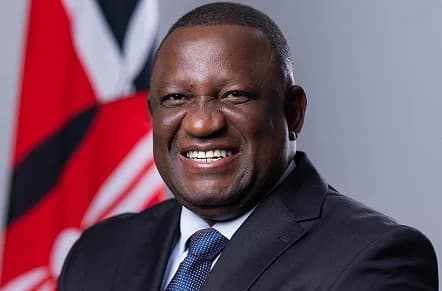
The Kenyan government has moved to aggressively restructure its Local Organising Committee for the 2027 Africa Cup of Nations, signalling a major pivot in the nation's bid to host the continent's most prestigious football tournament. Cabinet Secretary for Youth Affairs, Creative Economy and Sports, Salim Mvurya, confirmed this week that the existing committee, chaired by former CECAFA Secretary General Nicholas Musonye, is being dissolved to make way for a new, more agile team.
This decisive action underscores the mounting anxiety within the Kenyan sporting administration regarding the PAMOJA bid—a collaborative effort between Kenya, Uganda, and Tanzania to host the 2027 tournament. With infrastructure gaps still looming and a critical financial obligation of $30 million (approximately KES 3.9 billion) to the Confederation of African Football (CAF) on the horizon, the government is signalling that current bureaucratic timelines are no longer acceptable. The stakes are immense: a failure to deliver on the promised facilities could result in a humiliating revocation of hosting rights, stripping the nation of a significant economic and reputational windfall.
The decision to purge the committee, which was only established in late 2024, stems from what Cabinet Secretary Mvurya described as a lack of urgency and misalignment with the broader national vision for the tournament. In remarks delivered during the launch of the FIFA Women's Series in Nairobi, Mvurya did not mince words regarding the performance of the outgoing leadership, suggesting that opportunities for decisive action were consistently missed by the previous incumbents.
The criticism reflects a deeper institutional frustration. Government insiders have long whispered about the challenges of balancing the fast-paced requirements of international sports hosting with the rigid procurement laws that often slow down state-led projects. By calling for a new committee that prioritizes diversity, unity, and a more entrepreneurial spirit, the ministry is attempting to bypass the traditional hurdles that have historically bedevilled Kenyan mega-projects.
The urgency behind this reorganization is not without precedent. The previous committee faced immense scrutiny following the African Nations Championship (CHAN) preparations, which were marred by logistical delays and infrastructure shortcomings. Most damaging, however, were the security and safety breaches observed during the high-profile match between Kenya and Morocco at the Kasarani Stadium on August 10, 2025. The resulting sanctions from the CAF Disciplinary Board served as a wake-up call for the government, highlighting the gap between Kenya's ambitions and its current operational reality.
The challenges facing the new committee are multifaceted and require immediate remediation:
Perhaps the most significant aspect of Mvurya's announcement is the explicit intent to integrate the private sector into the committee's composition. This marks a strategic shift from a purely public-sector-led model to one that seeks to leverage corporate efficiency, project management expertise, and commercial acumen. This strategy mirrors the recent push by President William Ruto to involve private entities in the funding and management of the WRC Safari Rally from 2027 onwards.
For the average Kenyan, the transition represents more than just a boardroom shuffle it is a question of whether the government can deliver the tangible benefits of hosting an international event. Beyond the prestige of the tournament, the construction and tourism industries are banking on the AFCON bid to stimulate local growth. Economists suggest that the infrastructure upgrades, if managed correctly, could leave a lasting legacy for domestic football, providing modern facilities for local clubs long after the final whistle of the 2027 tournament has blown.
The window for correction is narrow. With the tournament scheduled for 2027, the planning phase is already well underway, and any further delays in the transition to the new committee could jeopardize the entire PAMOJA project. CAF is notoriously rigorous regarding its hosting requirements, and it will not hesitate to reallocate the tournament if it deems Kenya—or its neighbours—unprepared.
As the nation looks toward the next ten days of transition, the eyes of the footballing world will be fixed on Nairobi. The appointment of the new committee will be the first test of the government's resolve. Whether this purge will successfully course-correct the bid, or merely delay inevitable systemic failures, remains the defining question for the Ministry of Sports this year. Kenya has been handed the opportunity to host the continent now, it must prove it has the administrative grit to seize it.
Keep the conversation in one place—threads here stay linked to the story and in the forums.
Sign in to start a discussion
Start a conversation about this story and keep it linked here.
Other hot threads
E-sports and Gaming Community in Kenya
Active 10 months ago
The Role of Technology in Modern Agriculture (AgriTech)
Active 10 months ago
Popular Recreational Activities Across Counties
Active 10 months ago
Investing in Youth Sports Development Programs
Active 10 months ago
Key figures and persons of interest featured in this article