We're loading the full news article for you. This includes the article content, images, author information, and related articles.
Nairobi escalates diplomatic pressure on Dar es Salaam following the killing and harassment of Kenyans in post-election violence, testing fragile East African Community ties and rattling a vital trade corridor.
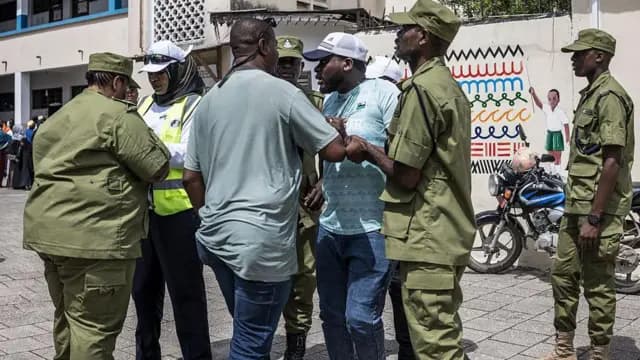
The Kenyan government has formally demanded answers from Tanzania regarding the safety and security of its citizens, following a series of violent attacks, arbitrary arrests, and at least one confirmed death in the aftermath of Tanzania's fiercely disputed general election held on Wednesday, October 29, 2025. Prime Cabinet Secretary and Cabinet Secretary for Foreign and Diaspora Affairs, Musalia Mudavadi, confirmed on Thursday, November 6, 2025, that he held direct consultations with his Tanzanian counterpart, Ambassador Mahmoud Thabit Kombo.
In the diplomatic engagement, Mr. Mudavadi stated that Kenya has formally submitted specific cases where the rights of its nationals were infringed and expects "full protection under the law" for all Kenyans conducting lawful activities in the neighbouring country. This move signals a significant escalation in a crisis that has created a climate of fear among the estimated 250,000 Kenyans living and working in Tanzania, as of a May 2025 Ministry of Foreign Affairs estimate.
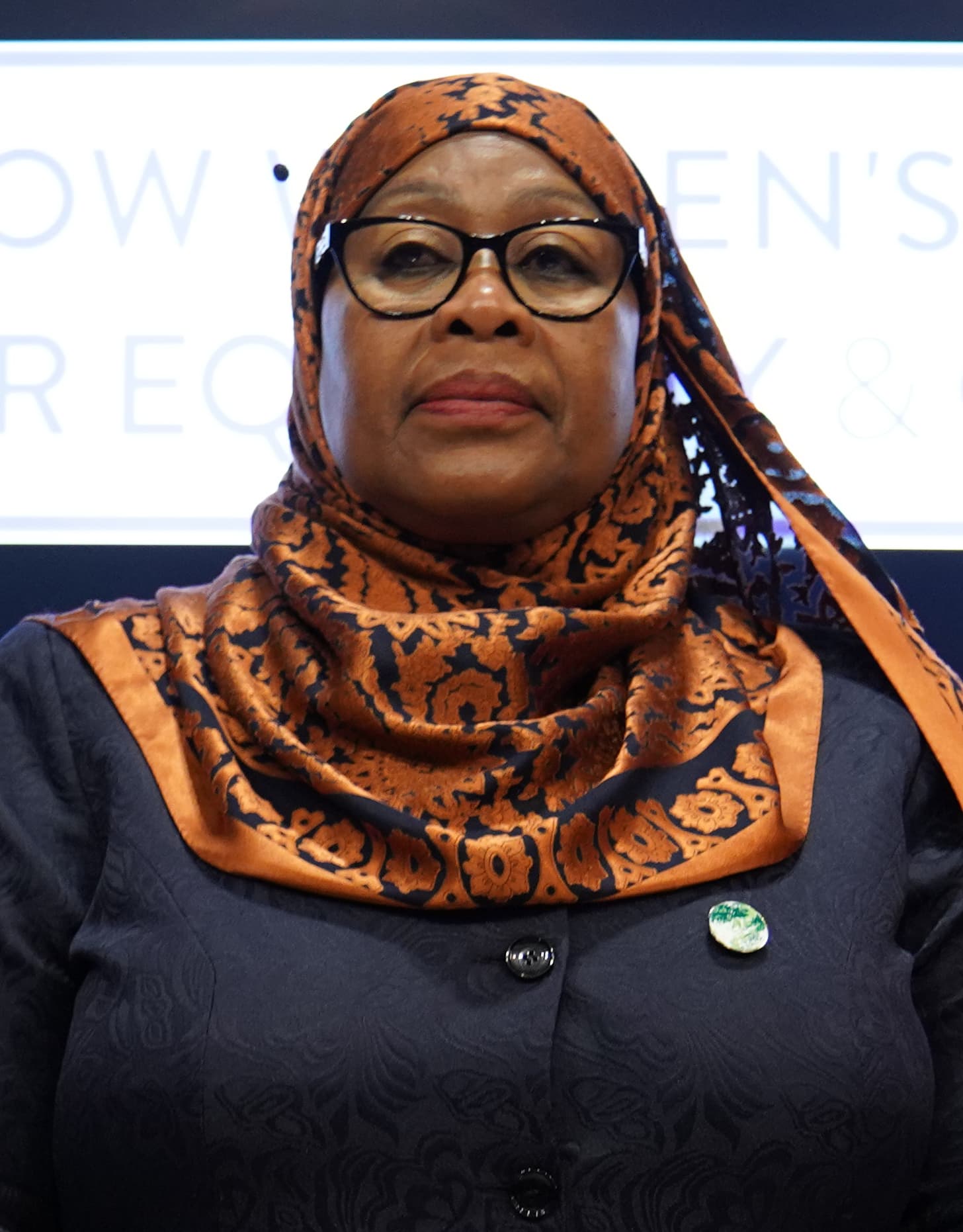
The diplomatic fallout stems from a violent crackdown by Tanzanian security forces on protests following the election, which saw President Samia Suluhu Hassan returned to power with a contentious 97.66% of the vote. In a speech following her swearing-in on Monday, November 3, 2025, President Suluhu blamed the unrest on "foreign agitators," a statement that has reportedly fueled xenophobia and targeted harassment.
Among the victims is John Okoth Ogutu, a 33-year-old teacher at Sky Schools in Dar es Salaam, who was reportedly shot and killed on October 29. His family in Siaya County has been seeking assistance to repatriate his body, which human rights groups claim was moved from a hospital morgue in an attempt to conceal evidence. Another Kenyan, 29-year-old lawyer and tour operator Fredrick Lorent Obuya, was reported arrested in Dar es Salaam on October 31, with his last known location being Oyster Bay Police Station. His current status remains a subject of investigation.
Nairobi-based human rights lobby Vocal Africa has been at the forefront of documenting these cases, with its Executive Director, Hussein Khalid, accusing Tanzanian authorities of using Kenyans as "scapegoats for the atrocities committed by police against Tanzanians." Reports from Kenyans in major cities like Dar es Salaam, Arusha, and Mbeya describe a pervasive atmosphere of fear, with some seeking assistance from the Kenyan High Commission to return home.
The instability and subsequent crackdown have sent economic shockwaves across the region, threatening a critical trade partnership. According to the Kenya Association of Manufacturers (KAM), bilateral trade between the two largest economies in the East African Community is substantial; Kenya exported goods worth KSh 67.2 billion to Tanzania in 2024, while imports stood at KSh 58.72 billion.
KAM Chief Executive Tobias Alando warned on Tuesday, November 4, 2025, that the chaos disrupts this vital economic artery, preventing Kenyan exporters from accessing their market and importers from receiving goods. The unrest has already caused significant disruptions at key border crossings like Namanga, where protests and security operations paralysed the movement of goods and people for hours. The situation is further compounded by an internet shutdown imposed by Tanzanian authorities, which has severely hampered trade logistics and communication.
The crisis places the principles of the East African Community (EAC) under intense scrutiny. The EAC's Common Market Protocol explicitly guarantees the free movement and protection of citizens of member states. While both Kenyan and Tanzanian foreign ministers have agreed to address the incidents through established diplomatic channels in line with EAC protocols, the regional body itself has remained conspicuously silent on the specific targeting of Kenyans.
This follows a muted preliminary report from the EAC's own election observation mission, which was criticized for failing to address widespread irregularities, violence, and the internet blackout that were flagged by other observer missions, including the Southern African Development Community (SADC).
In response to the growing crisis, the Kenya High Commission in Dar es Salaam resumed full operations on Wednesday, November 5, 2025, after post-election curfews were lifted. In a public statement, the mission reassured Kenyans that their welfare is a "top priority" and urged them to remain calm, observe local laws, and report any security concerns to the embassy. The Ministry of Foreign Affairs in Nairobi has also appealed to the public to share details of any relatives in Tanzania who may be in distress to facilitate consular assistance. However, with Tanzania's official public response limited to private diplomatic assurances, the Kenyan community remains on high alert, and the path to resolving the diplomatic and humanitarian crisis remains uncertain. FURTHER INVESTIGATION REQUIRED.
Keep the conversation in one place—threads here stay linked to the story and in the forums.
Sign in to start a discussion
Start a conversation about this story and keep it linked here.
Other hot threads
E-sports and Gaming Community in Kenya
Active 10 months ago
The Role of Technology in Modern Agriculture (AgriTech)
Active 10 months ago
Popular Recreational Activities Across Counties
Active 10 months ago
Investing in Youth Sports Development Programs
Active 10 months ago
Key figures and persons of interest featured in this article