We're loading the full news article for you. This includes the article content, images, author information, and related articles.
Kenya and the United States have officially begun intense negotiations on a reciprocal trade agreement designed to replace the expiring AGOA framework and secure long-term market access.
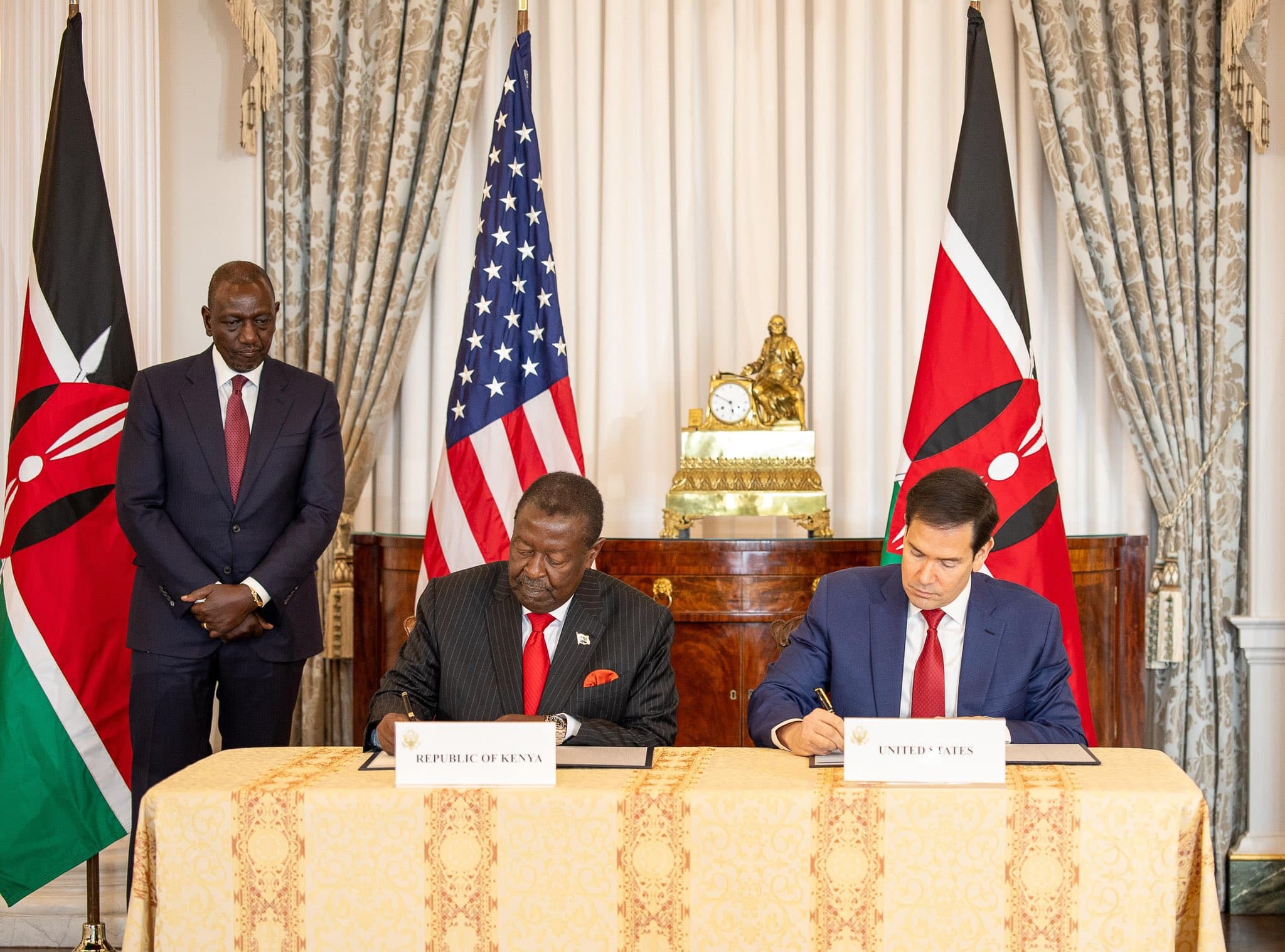
Kenya and the United States have officially commenced their historic first round of comprehensive negotiations concerning a new reciprocal trade framework. The high-stakes talks explicitly focused on trade in goods, tariffs, and dismantling persistent non-tariff barriers.
This bilateral engagement matters fundamentally now because a successful agreement would secure critical, long-term duty-free access for Kenyan exports to the US market, safeguarding billions of shillings in revenue ahead of the impending expiration of the AGOA framework.
For decades, the African Growth and Opportunity Act (AGOA) has served as the absolute bedrock of Kenya's commercial relationship with the United States. However, with the unilateral, preferential trade program scheduled to expire, Nairobi is proactively seeking a permanent, legally binding reciprocal treaty.
These inaugural negotiations represent a significant, structural diplomatic shift. Unlike AGOA, which requires periodic congressional renewal, a reciprocal framework demands mutual concessions but guarantees long-term market stability. This stability is absolutely crucial for attracting massive, long-term foreign direct investment into Kenya's manufacturing sectors.
The talks are highly comprehensive, covering a vast array of critical economic sectors including digital trade, vital agricultural exports, and robust intellectual property protections. The overarching goal is to forge a modernized, twenty-first-century trade agreement that reflects current global economic realities.
While eliminating traditional tariffs remains a primary objective, a massive focus of the current negotiations centers on systematically dismantling complex non-tariff barriers. These often invisible hurdles—such as overly stringent sanitary regulations and complex customs procedures—disproportionately stifle Kenyan agricultural exports.
Kenyan trade negotiators are fiercely advocating for streamlined, transparent certification processes that will seamlessly allow local farmers to export high-value produce directly to American supermarkets. Overcoming these strict phytosanitary barriers is essential for maximizing the true economic potential of the agricultural sector.
Simultaneously, the US delegation is pressing for significantly improved market access for American industrial and agricultural products into East Africa. Balancing these competing domestic interests requires incredibly delicate, nuanced diplomatic maneuvering by both national delegations.
The outcome of these bilateral talks extends far beyond Kenya's immediate borders. As a leading economic powerhouse within the East African Community (EAC), Kenya is essentially setting a massive regional precedent for how African nations engage economically with Western superpowers.
If successfully ratified, the framework would significantly bolster Kenya's strategic position as the primary logistical and commercial gateway to the African continent for major American multinational corporations.
Despite the highly optimistic commencement of these talks, the path to a finalized, fully ratified agreement remains fraught with complex political obstacles. Both nations must navigate intensely sensitive domestic political environments and competing corporate lobbying interests.
The Kenyan government must ensure that opening its domestic markets to highly competitive American goods does not inadvertently decimate nascent local industries. Protective transitional periods and strategic safeguards will be fiercely negotiated components of the final text.
Ultimately, these negotiations underscore a maturing economic partnership, moving away from traditional aid-dependency towards an equitable, mutually beneficial commercial alliance.
"By pursuing a binding, reciprocal trade agreement, Kenya is forcefully asserting its position not merely as a regional beneficiary, but as an equal, vital partner in the global economic arena."
Keep the conversation in one place—threads here stay linked to the story and in the forums.
Sign in to start a discussion
Start a conversation about this story and keep it linked here.
Other hot threads
E-sports and Gaming Community in Kenya
Active 9 months ago
The Role of Technology in Modern Agriculture (AgriTech)
Active 9 months ago
Popular Recreational Activities Across Counties
Active 9 months ago
Investing in Youth Sports Development Programs
Active 9 months ago