We're loading the full news article for you. This includes the article content, images, author information, and related articles.
KEBS launches new 2026-2029 import inspection contracts with nine global firms, enforcing strict Pre-Export Verification to curb the influx of substandard goods.
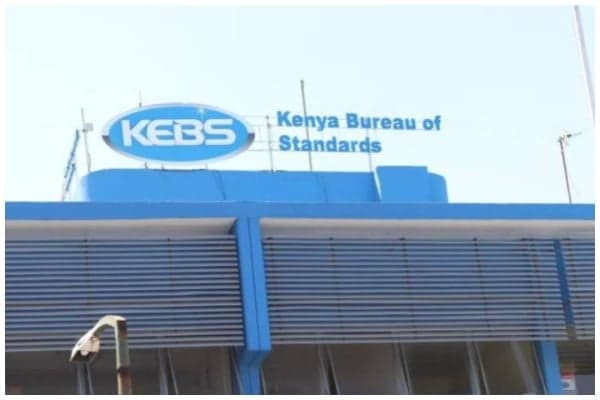
The Kenya Bureau of Standards (KEBS) has initiated a new era of import control, enforcing fresh contracts for the Pre-Export Verification of Conformity (PVoC) program to seal loopholes in the quality of goods entering the country.
The new inspection cycle, which runs from 2026 to 2029, officially commenced on February 9, following the expiration of the previous contracts. KEBS has contracted nine international inspection firms, including industry giant SGS, to police the quality of imports at their point of origin across various global zones. This move is a direct response to the persistent challenge of substandard goods flooding the local market.
Under the new framework, the world is divided into specific zones, with designated firms responsible for inspecting cargo before it ships to Kenya. For instance, SGS has been assigned Zone 2 (India, Pakistan, Sri Lanka) and Zone 3 (Japan, South Korea), among others. This zoning strategy ensures accountability; if a fake product lands in Mombasa, KEBS knows exactly which inspector dropped the ball.
The transition has not been without friction. With the old contracts expiring on February 8, there was a brief interim period where importers faced uncertainty. KEBS has clarified that goods shipped without a Certificate of Conformity (CoC) during this window will face a "Destination Inspection" at a fee of 0.6% of the customs value. This penalty serves as a deterrent against bypassing the system.
Importers are being urged to share the new Kenya Standards with their suppliers immediately. The "Certificate of Roadworthiness" for used vehicles remains a separate, critical requirement, with specific inspectors like QISJ handling units from Japan and the UK. The message from KEBS is uncompromising: compliance is not optional.
Business associations have welcomed the clarity but warned that efficiency is key. "We support quality control, but the inspection process must not become a bottleneck that delays factory inputs," said a representative from the manufacturers association. As the first ships under the new regime set sail, the effectiveness of these nine firms will determine the safety of everything from electronics to pharmaceuticals on Kenyan shelves.
Keep the conversation in one place—threads here stay linked to the story and in the forums.
Sign in to start a discussion
Start a conversation about this story and keep it linked here.
Other hot threads
E-sports and Gaming Community in Kenya
Active 9 months ago
The Role of Technology in Modern Agriculture (AgriTech)
Active 9 months ago
Popular Recreational Activities Across Counties
Active 9 months ago
Investing in Youth Sports Development Programs
Active 9 months ago



