We're loading the full news article for you. This includes the article content, images, author information, and related articles.
A landmark judgment against the Kenya Defence Forces for HIV discrimination sends a powerful message to all employers: constitutional rights are non-negotiable.
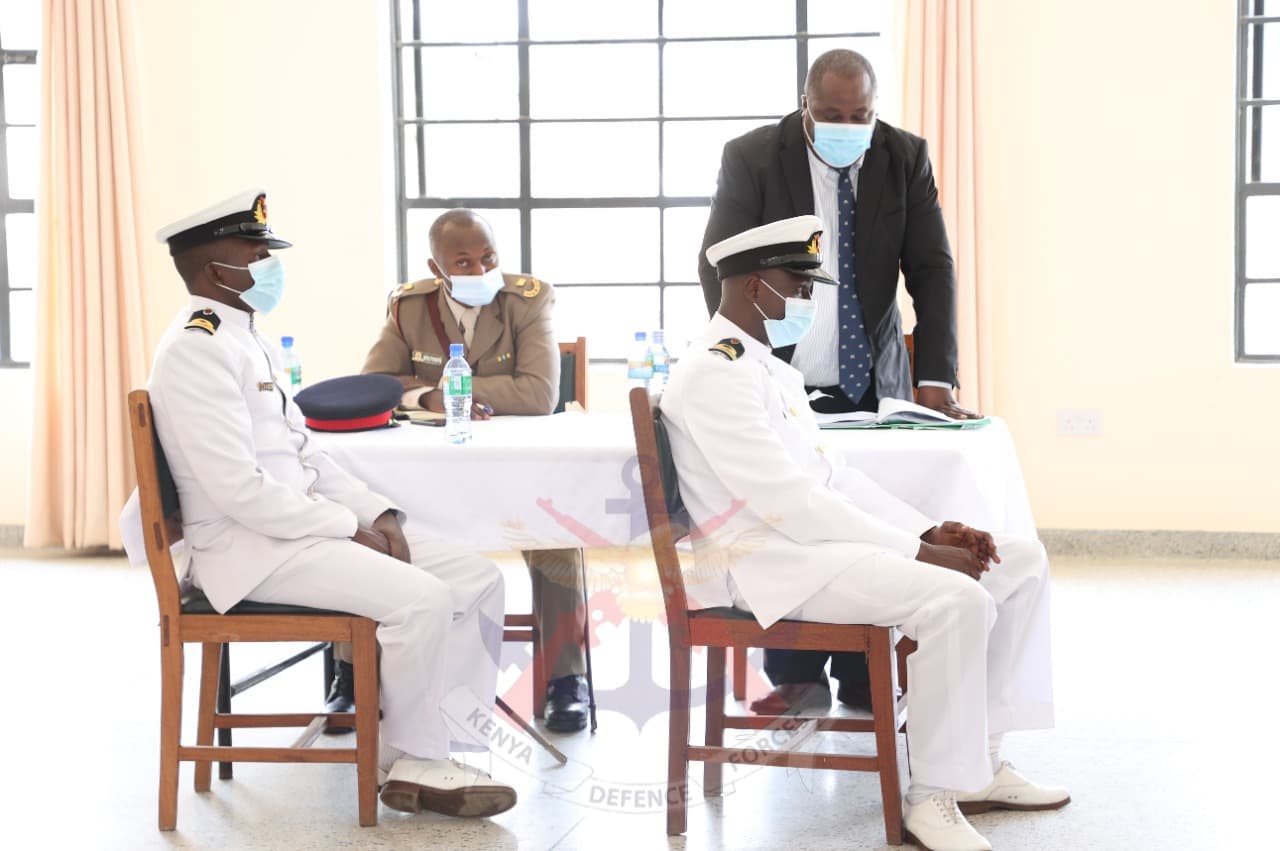
A court ruling against the Kenya Defence Forces (KDF) has sent a clear message to every employer in the nation: no one is above the Constitution.
This landmark decision, which found the military guilty of discriminating against a recruit based on his HIV status, fundamentally challenges outdated workplace practices and reinforces legal protections that extend from the barracks to the boardroom, impacting how every Kenyan is treated at work.
The case centred on a young recruit, identified as PKJ, who was accepted into the KDF after passing medical and physical assessments. However, upon reporting for training, he was subjected to an HIV test without his informed consent or the legally required counselling. Officers then publicly announced his HIV-positive status to fellow recruits in what the court noted was a humiliating and degrading manner before expelling him from the training school.
In a significant legal blow to the KDF, the High Court dismissed the military's appeal and upheld an earlier decision by the HIV and AIDS Tribunal. The ruling affirmed that the military's actions were a violation of the recruit's rights to privacy, dignity, and fair administrative action. The court awarded the victim KSh 1 million in damages and, crucially, ordered the KDF to conduct a sweeping review of its recruitment policies to align them with the HIV and AIDS Prevention and Control Act.
Legal experts noted that the judgment clarifies that differential treatment based on HIV status amounts to unjustified discrimination. The judge stated that the core issue was not military employment terms, but the unlawful medical testing and discriminatory dismissal based on health status.
This judgment is not an isolated incident. It follows another significant Court of Appeal decision that ordered the KDF to pay a former soldier, Polycarp Miyogo, KSh 8 million (approx. $61,500 USD) for unlawfully dismissing him over his observance of the Saturday Sabbath. In that case, the court ruled that the soldier's constitutional right to religious freedom had been violated, establishing a clear precedent on the balance between military discipline and individual liberties. Together, these rulings signal a growing judicial resolve to ensure the supremacy of the Constitution within all institutions.
While these cases involve the military, their implications ripple across every Kenyan workplace. They serve as a stark reminder to all employers, public and private, of their legal and ethical obligations. Key lessons include:
As these judgments compel a broader reckoning with outdated employment practices, the message from the judiciary is unequivocal: all employers must align their policies with science, dignity, and the constitutional safeguards that protect every Kenyan worker.
Keep the conversation in one place—threads here stay linked to the story and in the forums.
Sign in to start a discussion
Start a conversation about this story and keep it linked here.
Other hot threads
E-sports and Gaming Community in Kenya
Active 10 months ago
The Role of Technology in Modern Agriculture (AgriTech)
Active 10 months ago
Popular Recreational Activities Across Counties
Active 10 months ago
Investing in Youth Sports Development Programs
Active 10 months ago



