We're loading the full news article for you. This includes the article content, images, author information, and related articles.
The death toll in the Karachi mall fire climbs to 67 with 77 still missing, as investigations reveal locked emergency exits turned the shopping centre into a deadly trap for hundreds of victims.
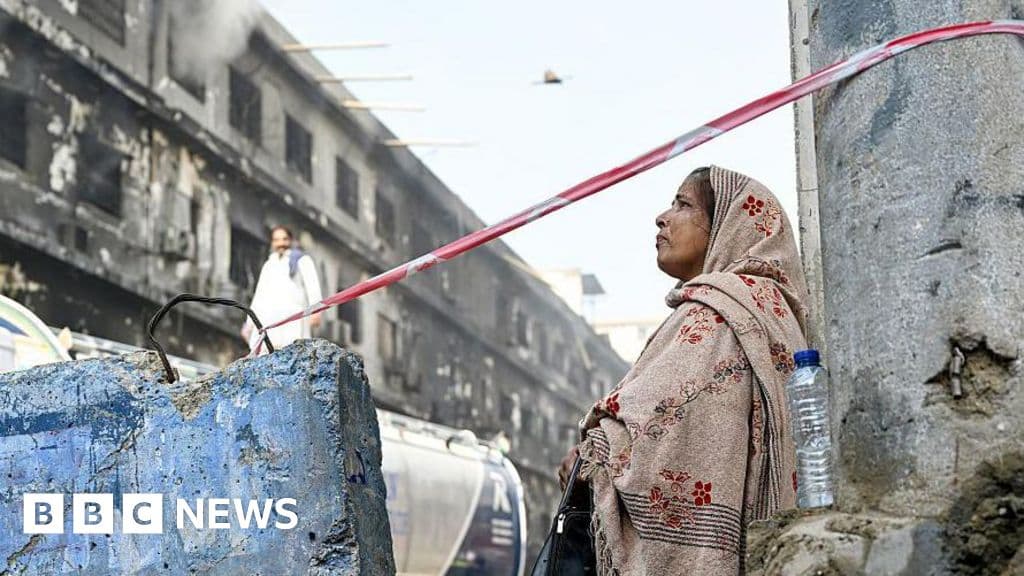
The charred remains of Gul Plaza in Karachi stand as a horrific monument to negligence, where 67 innocent lives were extinguished in a fire that has exposed the criminal lack of safety standards in the developing world.
As rescuers combed through the debris on Friday, the official death toll rose to 67, with a staggering 77 people still listed as missing. The blaze, which erupted on Saturday evening (Jan 17), turned the bustling shopping complex into a crematorium. But the true tragedy lies in the details: investigations have revealed that 13 of the mall’s 16 exits were locked, trapping shoppers and shopkeepers inside a burning coffin. It is a narrative sickeningly familiar to us in Nairobi, evoking painful memories of the Nakumatt Downtown fire where blocked exits sealed the fate of dozens.
The fire at Gul Plaza, which housed over 1,200 shops, was not an accident; it was a disaster waiting to happen. Witnesses describe a chaotic scene where the lack of fire alarms, sprinklers, and accessible exits turned panic into paralysis. "We saw them burning before our eyes," one shopkeeper recounted, a testimony that should haunt the corridors of power in Islamabad.
The parallel with Kenya’s own unregulated markets is stark. Just as Gikomba Market burns with suspicious regularity, destroying livelihoods and lives, Karachi’s commercial hubs are ticking time bombs of poor wiring and overcrowding. The "wedding season" rush meant the plaza was packed, maximizing the casualty count. [...](asc_slot://start-slot-1)The 10 million Pakistani Rupee (approx. KES 4.6 million) compensation promised to families feels like blood money—a reactive payout for a preventable catastrophe.
This disaster must serve as a wake-up call for urban planners across the Global South. In Nairobi, we see buildings rising in Eastleigh and Pipeline with zero regard for fire safety. The Karachi fire proves that regulations exist only on paper until they are enforced. When a developer locks an emergency exit to "prevent theft," they are prioritizing merchandise over human life.
As Pakistan mourns, the anger on the streets is palpable. This was mass manslaughter by negligence. The owners of Gul Plaza and the city officials who turned a blind eye to the safety violations must be held criminally accountable. Until we stop trading safety for profit, the poor will continue to burn.
Keep the conversation in one place—threads here stay linked to the story and in the forums.
Sign in to start a discussion
Start a conversation about this story and keep it linked here.
Other hot threads
E-sports and Gaming Community in Kenya
Active 9 months ago
The Role of Technology in Modern Agriculture (AgriTech)
Active 9 months ago
Popular Recreational Activities Across Counties
Active 9 months ago
Investing in Youth Sports Development Programs
Active 9 months ago



