We're loading the full news article for you. This includes the article content, images, author information, and related articles.
**A World Bank-funded initiative to restore vital grazing lands in Kajiado County has collapsed after rains failed, leaving pastoralists facing a barren landscape and an uncertain future.**
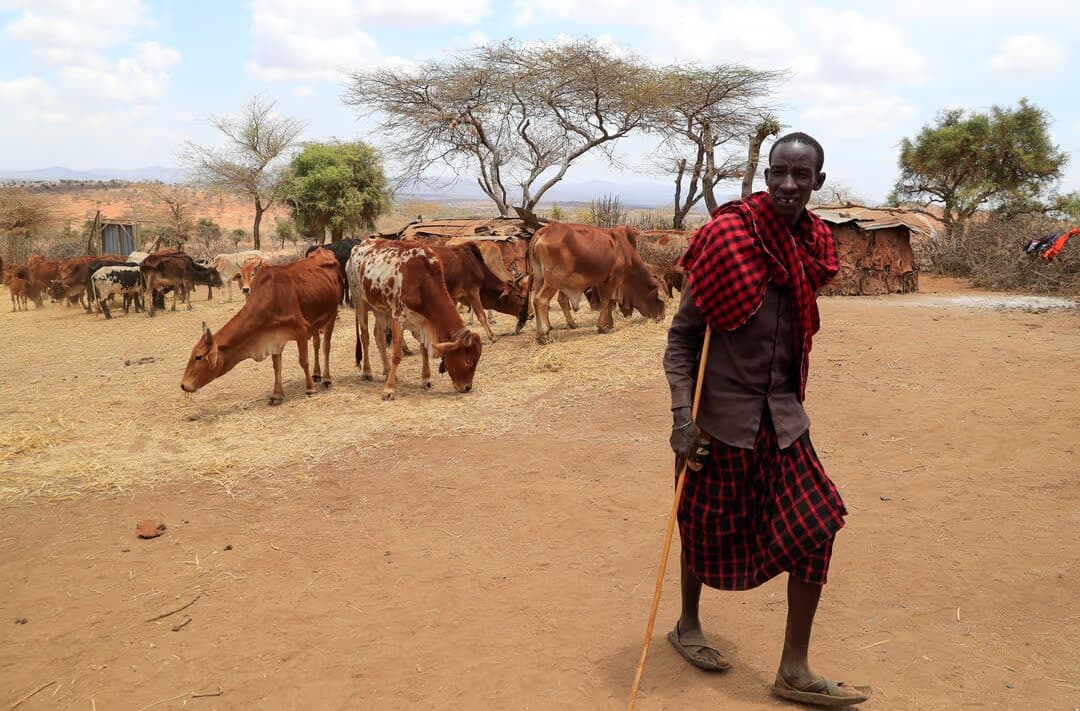
A Sh6 million (approx. $46,500) project aimed at reviving degraded rangelands in Kajiado County has failed to take off, crushed by the very climate change effects it was designed to mitigate. The ambitious reseeding programme, which provided hope for hundreds of pastoralist families, now serves as a stark reminder of the immense challenge erratic weather poses to community livelihoods.
The initiative was meant to be a lifeline. For pastoralists like Naftali Mopel, it was a long-overdue answer to the invasive Ipomea weed, a plant that has aggressively colonized over three million acres of grazing land since the 1997 El Niño rains. But with most parts of Kajiado experiencing little to no rain this year, the seeds of hope—Maasai love grass and bush rye—never sprouted.
Launched in March, the project was part of a larger Sh200 million investment by the World Bank and the Kajiado County government under the Financing Locally-Led Climate Action (FLLoCA) programme. The plan involved establishing two 50-acre demonstration farms in Mashuru Sub-County, where community members first cleared the choking Ipomea weed before sowing a mixture of seeds and manure. Ten pilot groups received 300 kilograms of seeds each, a crucial resource in the county's strategy of 'Modulated Pastoralism'—a push for sustainable livestock farming.
However, a recent spot check of the demonstration farms revealed a grim picture: barren, cracked earth where lush pastures were meant to grow. The invasive Ipomea, meanwhile, is seeding heavily in adjacent fields, its seeds scattered far and wide by the wind, noted a dejected herder.
Despite the setback, county officials remain optimistic. Environment Chief Officer James Ngugi confirmed that the harsh climatic conditions were to blame but believes the seeds could still be viable. "We have some reserve seeds to disperse in the next April seasonal rains," Ngugi stated, adding that mitigation measures are being put in place to cushion farmers from adverse climate effects. According to the Kenya Agricultural and Livestock Research Organization (KALRO), Maasai love grass seeds can remain viable for at least 14 months in the soil.
The failure of this project underscores a painful reality for Kenya's arid and semi-arid lands (ASALs), which cover over 80% of the country's landscape. As climate change intensifies, with droughts becoming more frequent and severe, such resilience-building projects face an uphill battle, making the future of pastoralism, a way of life for millions, increasingly precarious.
Keep the conversation in one place—threads here stay linked to the story and in the forums.
Sign in to start a discussion
Start a conversation about this story and keep it linked here.
Other hot threads
E-sports and Gaming Community in Kenya
Active 9 months ago
The Role of Technology in Modern Agriculture (AgriTech)
Active 9 months ago
Popular Recreational Activities Across Counties
Active 9 months ago
Investing in Youth Sports Development Programs
Active 9 months ago