We're loading the full news article for you. This includes the article content, images, author information, and related articles.
Agriculture CS Mutahi Kagwe has put international lenders and ministry officials on notice, demanding that multi-billion shilling projects deliver measurable value for Kenyan farmers, not just serve foreign procurement interests.
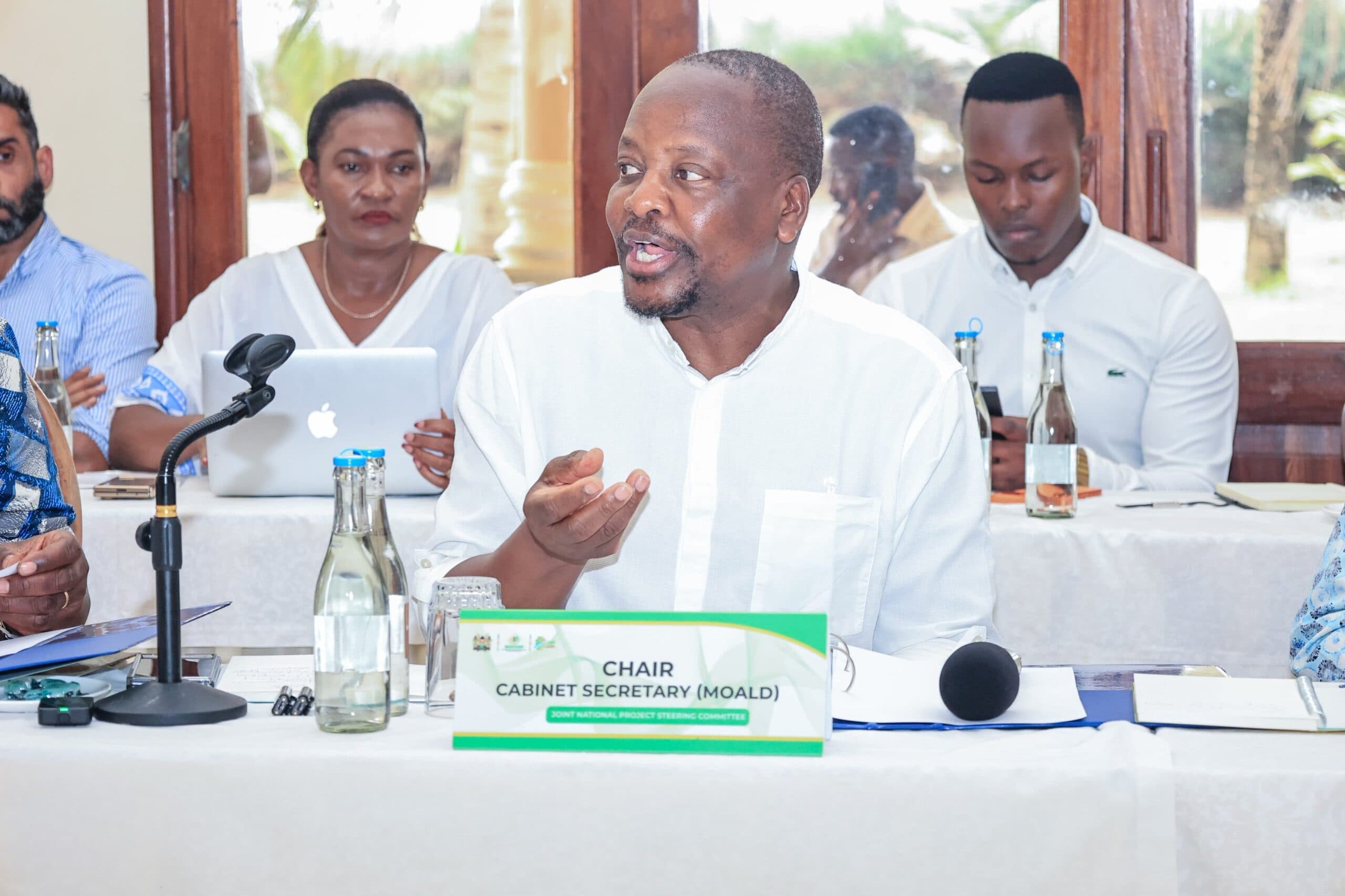
Agriculture Cabinet Secretary Mutahi Kagwe has issued a stark warning that so-called donor-funded agricultural projects must be treated with the same discipline as public debt, declaring that they are loans that Kenya must repay. His remarks signal a significant shift in oversight, demanding tangible returns for every shilling borrowed in the name of the Kenyan farmer.
This is not just a matter of semantics; it's a fundamental challenge to how Kenya manages its ballooning public debt and engages with international financing. Kagwe’s directive, delivered at a high-level meeting on World Bank-financed projects, insists that all funding must align with national priorities and directly address how it puts food on the table and money in farmers' pockets.
“Donor financing is not free money. These are loans, and we must be honest about that,” Kagwe stated emphatically at the Joint National Project Steering Committee meeting in Kilifi. “Every facility must align with our agenda and produce results for farmers, and this country.”
The Cabinet Secretary pointedly questioned procurement plans within some projects, highlighting a controversial practice known as "tied-aid." This form of financing requires Kenya to purchase goods and services from the lending country, even when cheaper or more suitable options are available locally.
He cited the recently approved Livestock Value Chain Support Project (LVSP), a KES 9.7 billion initiative supported by the Polish Government, as a case in point. While the project aims to boost dairy productivity, Kagwe flagged procurement lists that included items like ice cream makers, milk cans, and motorbikes sourced from Poland.
“We cannot be buying basic items from countries like Poland through ‘tied-aid’ facilities, when these can be sourced locally,” Kagwe warned. “Procurement must make economic sense and support Kenyan industry.” This practice, analysts note, often inflates project costs and undermines local manufacturing, directly contradicting the government's own 'Buy Kenya, Build Kenya' policies.
To prevent waste and misalignment, the CS urged the National Treasury to work more closely with technical ministries before signing off on external financing deals. He warned that loans negotiated without expert input from the relevant sectors risk funding projects that are poorly designed or disconnected from the realities on the ground.
The call for greater accountability was strongly supported by governors present at the meeting. Bungoma Governor Kenneth Lusaka, who chairs the Council of Governors' Agriculture Committee, put counties on notice. “Let us change the lives of farmers, but let us also observe compliance,” Lusaka noted. “Counties must perform, or they will be discontinued from projects.”
Kagwe's tough stance comes as borrowing in Kenya's agricultural sector has surged, reaching a record KES 167.7 billion by late 2025. His directive aims to ensure this growing debt translates into genuine progress, not just a heavier burden for the Kenyan taxpayer.
Keep the conversation in one place—threads here stay linked to the story and in the forums.
Sign in to start a discussion
Start a conversation about this story and keep it linked here.
Other hot threads
E-sports and Gaming Community in Kenya
Active 10 months ago
The Role of Technology in Modern Agriculture (AgriTech)
Active 10 months ago
Popular Recreational Activities Across Counties
Active 10 months ago
Investing in Youth Sports Development Programs
Active 10 months ago
Key figures and persons of interest featured in this article