We're loading the full news article for you. This includes the article content, images, author information, and related articles.
Prominent political analyst Prof. Peter Kagwanja has controversially argued that Kenya is not inherently poor, but rather impoverished by a predatory elite and a deeply entrenched rentier state.
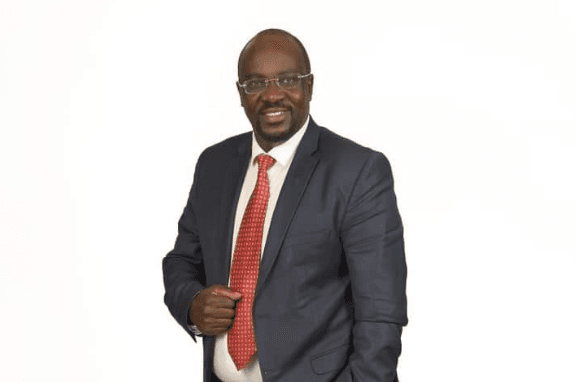
The diagnosis of Kenya’s economic malaise has been starkly redefined. According to Prof. Peter Kagwanja, the nation is not suffering from a lack of wealth, but from a terminal case of elite exploitation.
In a searing critique of the current administrative structure, Kagwanja’s assertion cuts to the core of Kenya's socio-economic unrest. As citizens grapple with crushing taxes and rising living costs, his framing of a "rentier state" provides a powerful, academic vocabulary for a populace increasingly disillusioned with systemic government failure and escalating crime.
For decades, the dominant political narrative fed to the Kenyan populace and international donors alike has been one of inherent scarcity. Politicians routinely cite a lack of resources, global economic headwinds, and overpopulation to excuse crumbling infrastructure, underfunded hospitals, and rampant unemployment.
Prominent political analyst and Deputy Party Leader of the PLP, Prof. Peter Kagwanja, has aggressively dismantled this narrative. Speaking on a widely syndicated TV47 broadcast, Kagwanja declared unequivocally, "Kenya is not a poor country; the issue is that some people exploit institutions to get rich." By shifting the blame from natural scarcity to artificial extraction, Kagwanja is tapping into a deep vein of national anger following years of aggressive, regressive taxation.
The crux of Kagwanja’s argument rests on his classification of Kenya as a "rentier state." In political economy, a rentier state is one where the political elite derives massive wealth not from productive enterprise or wealth creation, but by extracting "rents"—fees, kickbacks, inflated tenders, and monopolistic control—from the nation’s resources and the labor of its citizens.
In Kenya, this manifests through tenderpreneurship, where political cronies secure massively inflated government contracts for roads, dams, and medical equipment. The state apparatus is weaponized not to serve the public, but to facilitate the transfer of public wealth into private offshore accounts.
The socio-political temperature in Kenya is nearing a boiling point. The recent wave of anti-government protests, largely driven by Gen-Z demographics, demonstrated a total rejection of the traditional political establishment. The populace is no longer satisfied with ethnic mobilization or empty political "conclaves" designed to share power among the elite.
"Kenyans are crying for prosperity, they are tired of poverty, a conclave will not bring prosperity," Kagwanja warned. His statement implies that superficial political dialogue or the swapping of cabinet ministers will not cure the underlying disease.
If Kenya is indeed a wealthy nation suffocated by its own leaders, the solution requires a radical dismantling of the rent-seeking architecture. This necessitates an independent judiciary, a terrifyingly effective anti-corruption commission, and a total digitization of state procurement to eliminate the human element of bribery.
Until the incentive structure of Kenyan politics changes from "wealth extraction" to "wealth creation," the cycle of poverty and resulting crime will only accelerate, regardless of who occupies the State House.
"We are bleeding a healthy patient to death; the cure is not more bandages, but removing the leeches from the national treasury," summarized a leading Nairobi-based economic reformist.
Keep the conversation in one place—threads here stay linked to the story and in the forums.
Sign in to start a discussion
Start a conversation about this story and keep it linked here.
Other hot threads
E-sports and Gaming Community in Kenya
Active 9 months ago
The Role of Technology in Modern Agriculture (AgriTech)
Active 9 months ago
Popular Recreational Activities Across Counties
Active 9 months ago
Investing in Youth Sports Development Programs
Active 9 months ago



