We're loading the full news article for you. This includes the article content, images, author information, and related articles.
A devastating airstrike on a Kabul drug treatment centre leaves hundreds feared dead, escalating border tensions between Taliban-led Afghanistan and Pakistan.
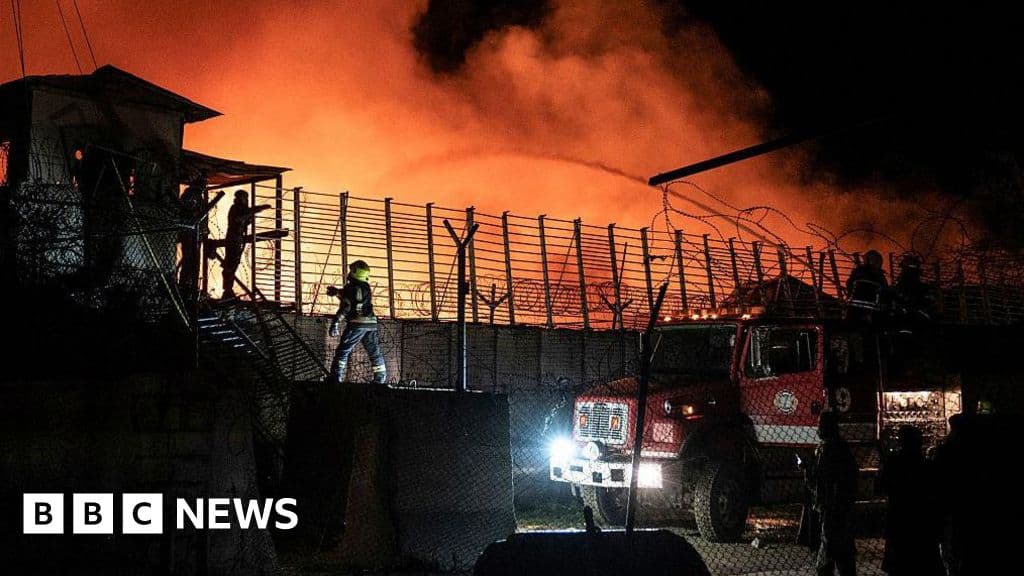
The night air in Kabul turned thick with the acrid scent of cordite and burning plastic on Monday at 20:50 local time, as an air strike tore through a drug treatment centre. The facility, which provided a sanctuary for approximately 2,000 individuals struggling with addiction, transformed into a scene of chaotic ruin within minutes. Screams of patients and staff echoed across the Afghan capital, marking a dark escalation in the simmering conflict between the Taliban government and Islamabad.
This catastrophe is not merely a local humanitarian tragedy it is a profound rupture in the fragile security architecture of South Asia. As Kabul reels from the attack, officials are trading fierce accusations, with the Afghan government blaming Pakistani forces for a deliberate strike on civilian infrastructure. Conversely, Islamabad maintains its military operations are precise, aimed solely at neutralizing militant hideouts. For the international community, the incident raises immediate, harrowing questions regarding the rules of engagement and the protection of vulnerable medical facilities in conflict zones.
The strike occurred while the city was under the cover of darkness, catching thousands of patients unaware. According to reports from the site, the impact was followed by immediate secondary fires that engulfed critical wards. While the Afghan health ministry has publicly stated there were no military assets within or near the hospital, Pakistani officials, through their information ministry, have countered by asserting that the operations were carefully planned to avoid collateral damage, targeting only what they term terrorist support infrastructure.
The discrepancy in these narratives is stark. The Afghan government has alleged a death toll reaching 400, a figure of staggering proportions if verified. However, independent observers, including those on the ground, urge extreme caution. The fog of war often obscures the reality of casualty counts, and this figure remains subject to rigorous, independent verification. The following points highlight the critical areas of contention:
To understand the magnitude of this strike, one must look at the broader, fraying relationship between Afghanistan and Pakistan. The two nations share a porous, contested border known as the Durand Line, a legacy of colonial cartography that has served as a fault line for decades. The recent surge in hostilities is largely attributed to cross-border incursions by groups like the Tehrik-e-Taliban Pakistan (TTP), which Islamabad alleges receives safe haven on Afghan soil. In response, Pakistan has adopted a more aggressive military posture, increasing the frequency of cross-border operations.
This shift represents a departure from traditional diplomatic norms. By targeting perceived militant hubs in Kabul and Nangarhar, Pakistan is signaling a shift toward preemptive, kinetic engagement. For the Taliban, however, such strikes are perceived as an infringement on national sovereignty, forcing them to balance their desire for regional recognition with the imperative to appear strong against foreign intervention. The result is a dangerous cycle of rhetoric and retaliation that leaves little room for de-escalation.
Beyond the strategic posturing, the human cost is catastrophic. Hospitals are protected entities under international humanitarian law, immune from targeting even in the heat of conflict. The destruction of a facility meant to heal vulnerable populations undermines the very premise of medical neutrality. Families of the victims gathered outside the perimeter of the smoldering ruins on Tuesday, their desperation palpable as they searched for information on loved ones. The collapse of such infrastructure in a city already struggling with basic service provision signals a potential humanitarian crisis that may require immediate intervention from international aid organizations.
While this crisis unfolds thousands of kilometers away, it holds vital lessons for Nairobi and the broader East African region. The conflict serves as a grim case study on the volatility of border sovereignty and the danger of allowing militant groups to operate unchecked. Kenya, which frequently navigates its own complex security dynamics along its borders, understands well the peril of cross-border instability. The regional economic impact of such insecurity—ranging from disrupted trade routes to the influx of displaced populations—cannot be overstated. As the situation in Kabul continues to evolve, international observers are watching closely, aware that the destabilization of one region often sends shockwaves across the global stage.
As the sun sets on a mourning Kabul, the unanswered questions surrounding the strike continue to mount. Will there be an independent investigation? How will this event influence the diplomatic calculations of neighboring powers? And most critically, how many more lives will be lost before a sustainable security framework can be established in the borderlands of South Asia? The international community is not merely watching a conflict it is witnessing the potential unraveling of regional stability, and the world is waiting for a response that prioritizes human life over military expediency.
Keep the conversation in one place—threads here stay linked to the story and in the forums.
Sign in to start a discussion
Start a conversation about this story and keep it linked here.
Other hot threads
E-sports and Gaming Community in Kenya
Active 10 months ago
Popular Recreational Activities Across Counties
Active 10 months ago
The Role of Technology in Modern Agriculture (AgriTech)
Active 10 months ago
Investing in Youth Sports Development Programs
Active 10 months ago



