We're loading the full news article for you. This includes the article content, images, author information, and related articles.
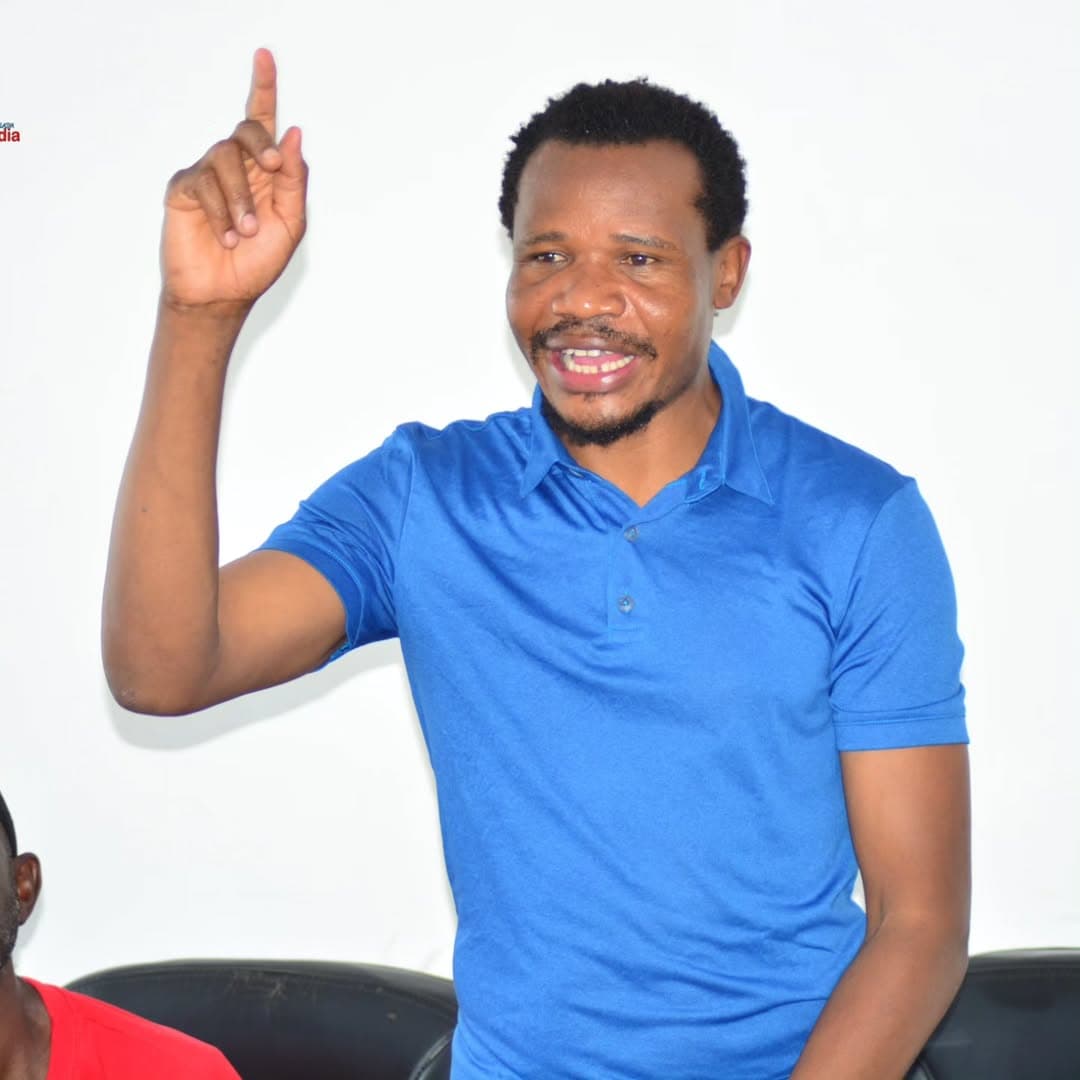
Mumias East MP Peter Salasya has joined a growing chorus of voices demanding clarity over the death of veteran politician Cyrus Jirongo, as conflicting eyewitness accounts and official investigations paint a puzzling picture of his final moments
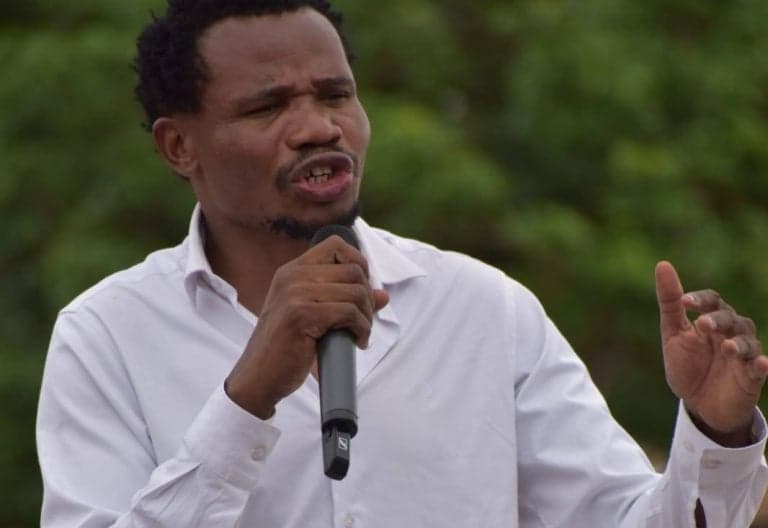
The sudden death of former Lugari MP Cyrus Jirongo in a pre-dawn car crash has ignited a firestorm of speculation, with Mumias East legislator Peter Salasya now publicly questioning the official narrative surrounding the fatal incident. Jirongo, 64, a towering figure in Kenyan politics, was killed in what police initially described as a head-on collision on the Nairobi-Nakuru highway.
This incident, however, is rapidly evolving from a tragic road accident into a complex puzzle. At its heart is the critical question now reverberating from Parliament to the streets: What exactly happened in the minutes leading up to the crash at Karai, Naivasha, on December 13, 2025? For many Kenyans, the integrity of the investigation is a direct reflection on the state of public safety and accountability.
The Directorate of Criminal Investigations (DCI) has launched a comprehensive probe, deploying homicide detectives and forensic experts to the scene. Investigators have confirmed the collision occurred at approximately 2:19 AM between Jirongo's Mercedes-Benz and a Climax Company bus. The impact was catastrophic, throwing the Mercedes about 25 metres from the point of collision.
Crucial evidence has emerged from CCTV footage recovered from a nearby Eagol Petrol Station. The DCI noted the footage captures Jirongo's vehicle entering the station at 2:18:40 AM, not to refuel, but stopping at the exit before making a U-turn back towards Nairobi at 2:19:19 AM. Just six seconds later, the fatal collision was recorded.
The official timeline is being challenged by dramatic eyewitness accounts that contradict the initial police report. A security guard at the petrol station, Ephraim Cheptek, has provided a testimony that diverges sharply from the bus driver's account. Cheptek asserted that the highway was calm and clear, disputing the bus driver's claim that Jirongo was overlapping in heavy traffic. He described Jirongo's manoeuvre in and out of the petrol station as "unusual."
The bus driver, Tirus Kamau, had earlier stated that Jirongo's car swerved into his lane, leaving him no choice but to collide to save his 65 passengers. This discrepancy has fueled demands for a more thorough investigation from both the public and political leaders.
In a statement on his social media, MP Salasya blasted what he called the "casual handling" of the investigation. "How do you even get the guts to speak casually about the accident as if nothing serious happened?" Salasya wrote, criticizing the decision to allow the driver to speak publicly outside of official police statements. He emphasized the need for a detailed report triangulating evidence from all witnesses.
Jirongo's family and other political allies have echoed these concerns, formally requesting investigators to provide clarity on his movements. Former Senator George Khaniri, speaking for the family, questioned how Jirongo, last seen in Karen heading for his Gigiri home, ended up in Naivasha. The incident has once again cast a harsh spotlight on the dangers of Kenya's highways, a perennial issue that directly impacts the safety and livelihood of every citizen. As the DCI continues its forensic analysis, a nation waits, not just for answers about the death of a political giant, but for reassurance in the systems designed to protect them.
Keep the conversation in one place—threads here stay linked to the story and in the forums.
Sign in to start a discussion
Start a conversation about this story and keep it linked here.
Other hot threads
E-sports and Gaming Community in Kenya
Active 10 months ago
Popular Recreational Activities Across Counties
Active 10 months ago
The Role of Technology in Modern Agriculture (AgriTech)
Active 10 months ago
Investing in Youth Sports Development Programs
Active 10 months ago
Key figures and persons of interest featured in this article