We're loading the full news article for you. This includes the article content, images, author information, and related articles.
Starbucks has removed the limit on CEO Brian Niccol's private jet use, citing security threats, reigniting debate over the company's environmental hypocrisy.
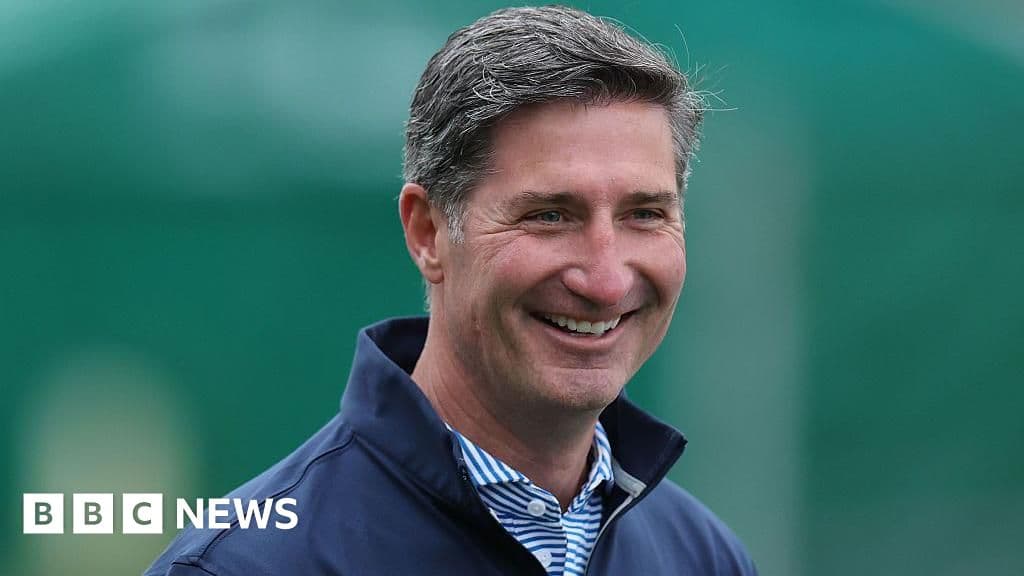
Starbucks has quietly removed the $250,000 (approx. KES 32.5 million) cap on its Chief Executive’s personal use of the corporate jet, citing "credible threat actors" and a volatile security landscape.
The decision allows CEO Brian Niccol to continue his controversial "super-commute" of nearly 1,600 kilometers from his residence in Newport Beach, California, to the company's global headquarters in Seattle. The move has reignited accusations of corporate hypocrisy, as the coffee giant continues to tout its sustainability credentials while facilitating one of the most carbon-intensive commutes in corporate history.
Until last September, Niccol was required to reimburse the company for any personal travel exceeding the quarter-million-dollar limit. However, a recent independent security review concluded that Niccol’s high profile and the "enhanced media attention" surrounding his appointment necessitated strictly private air travel.
"We are not just talking about convenience; we are talking about the physical safety of our principal," a Starbucks spokesperson told investors. "The threat landscape has evolved, and our protocols must evolve with it." The board has replaced the hard cap with a quarterly review process, effectively writing a blank check for the CEO's aerial transit.
Niccol’s arrangement has been a lightning rod for criticism since he was poached from Chipotle in 2024. His contract explicitly stated he would not be required to relocate to Seattle, a concession that stunned governance experts and infuriated environmental activists.
Starbucks is not alone in this shift. As political polarization intensifies, more Fortune 500 companies are classifying executive travel as a security imperative rather than a perk, shielding the costs from tax scrutiny and shareholder outrage. For Niccol, the skies remain open, but the turbulence on the ground—from angry shareholders to disillusioned customers—is only just beginning.
Keep the conversation in one place—threads here stay linked to the story and in the forums.
Sign in to start a discussion
Start a conversation about this story and keep it linked here.
Other hot threads
E-sports and Gaming Community in Kenya
Active 9 months ago
The Role of Technology in Modern Agriculture (AgriTech)
Active 9 months ago
Popular Recreational Activities Across Counties
Active 9 months ago
Investing in Youth Sports Development Programs
Active 9 months ago



