We're loading the full news article for you. This includes the article content, images, author information, and related articles.
A critical second-stage engine failure resulted in the loss of a key navigation satellite, marking the second major failure for the H3 program and casting a shadow over Japan's future in space.
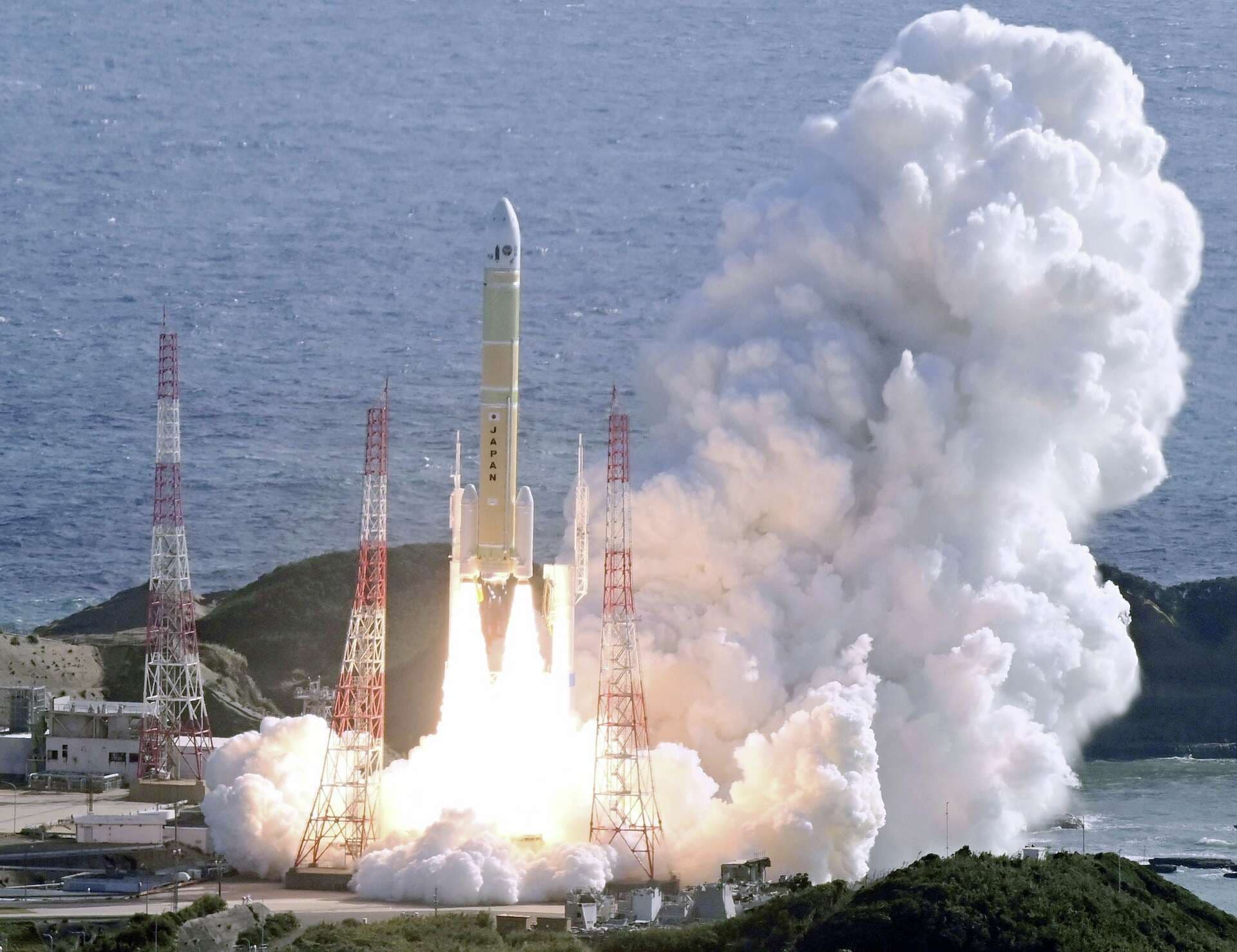
Japan's foray into the next generation of space exploration suffered a significant blow on Monday after its flagship H3 rocket failed mid-flight, failing to deliver a crucial navigation satellite into orbit.
This incident is more than a single lost satellite; it's a major setback for Japan's ambitions to become a competitive player in the global space launch market. The failure raises serious questions about the reliability of the H3 platform, the successor to the dependable H-IIA rocket.
The rocket lifted off as planned from the Tanegashima Space Center. However, the Japan Aerospace Exploration Agency (JAXA) confirmed that the second-stage engine did not ignite as scheduled and shut down prematurely. The payload, a navigation satellite known as Michibiki 5 (QZS-5), was lost as it could not be placed into its designated orbit.
This is the second time the H3 rocket has failed due to a second-stage issue. The inaugural flight in March 2023 was also terminated after its second-stage engine failed to ignite, leading to the destruction of the rocket and its Earth observation satellite payload. While JAXA had achieved five successful launches since the first failure, this latest incident brings the rocket's reliability back into question.
The lost satellite was intended to join Japan's Quasi-Zenith Satellite System (QZSS), a homegrown network designed to augment GPS services and provide highly precise positioning for the Asia-Pacific region. Such technology is vital for everything from smartphone maps and car navigation to disaster management—services that directly impact the daily lives and safety of citizens, including those in Kenya who rely on GPS technology.
JAXA President Hiroshi Yamakawa expressed deep regret over the failure. "We sincerely apologize for failing to meet your expectations," Yamakawa stated at a press conference. The agency has established a special task force to investigate the cause of the anomaly.
The failure casts uncertainty over a slate of important future missions scheduled to launch aboard the H3 rocket. These include:
As the global space race intensifies, with nations and private companies competing for dominance, this setback underscores the immense technical challenges and high stakes involved. The investigation's findings will be critical for Japan to regain trust in its flagship rocket and secure its place in the future of space exploration.
Keep the conversation in one place—threads here stay linked to the story and in the forums.
Sign in to start a discussion
Start a conversation about this story and keep it linked here.
Other hot threads
E-sports and Gaming Community in Kenya
Active 9 months ago
The Role of Technology in Modern Agriculture (AgriTech)
Active 9 months ago
Popular Recreational Activities Across Counties
Active 9 months ago
Investing in Youth Sports Development Programs
Active 9 months ago