We're loading the full news article for you. This includes the article content, images, author information, and related articles.
Japan has officially unveiled a definitive timeline to deploy advanced surface-to-air missiles on Yonaguni Island, located perilously close to Taiwan.
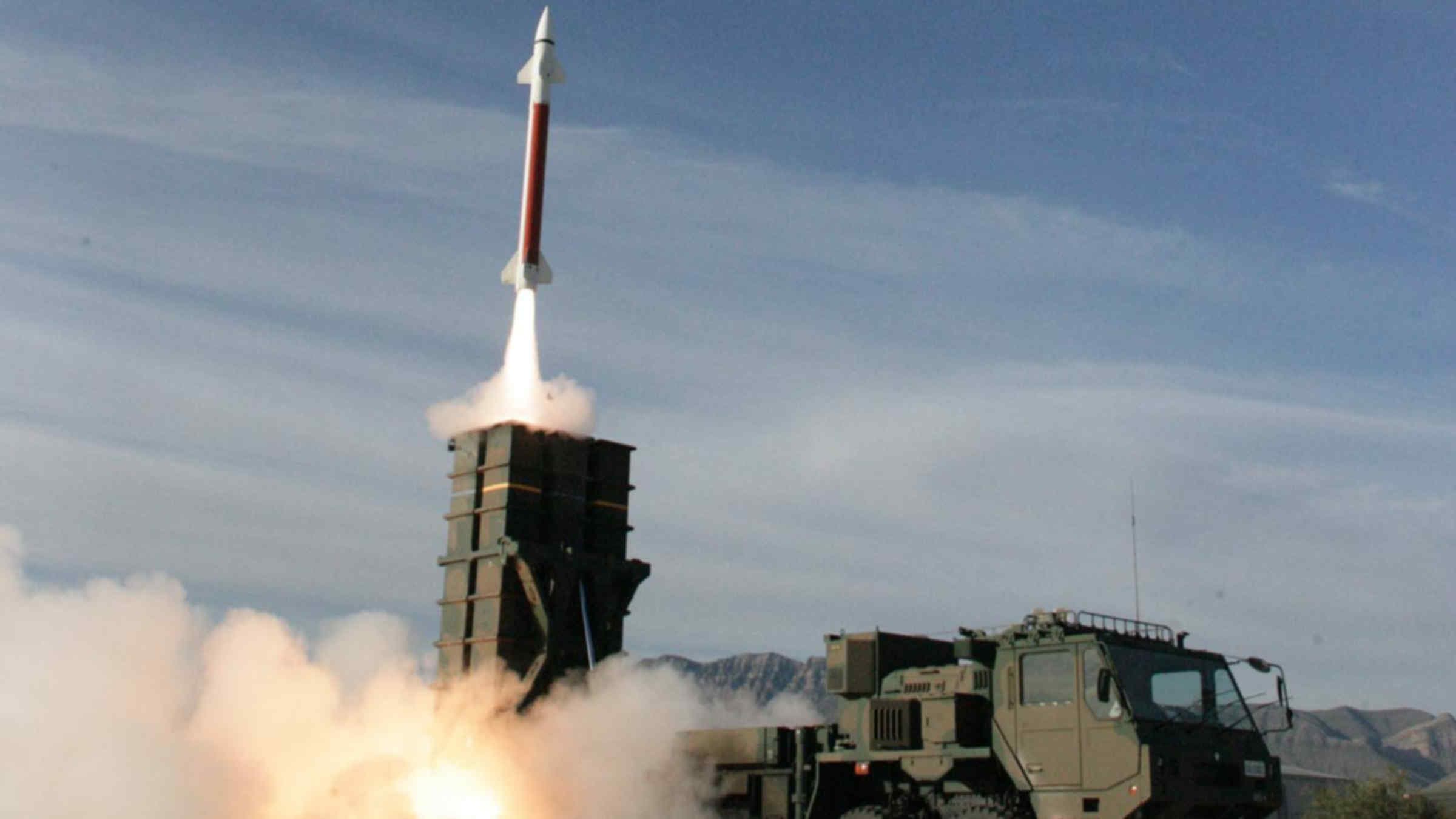
Japan has officially unveiled a definitive timeline to deploy advanced surface-to-air missiles on Yonaguni Island, located perilously close to Taiwan, triggering intense geopolitical friction with Beijing.
Japanese Defense Minister Shinjiro Koizumi has drawn a stark line in the sand, announcing that advanced missile defense systems will be fully operational on the remote western outpost by March 2031.
This unprecedented military maneuver signals a drastic escalation in Indo-Pacific tensions, threatening to disrupt global shipping lanes that are critically vital to East African economies reliant on Asian imports.
Yonaguni Island, previously a sleepy tourist destination, is rapidly transforming into a fortified military bastion. Geographically situated a mere 110 kilometers (approximately 68 miles) from Taiwan, the island offers a commanding vantage point over the highly contested Miyako Strait. On a clear day, the shores of self-ruled Taiwan are visibly distinct from Yonaguni's coastline. By setting a definitive deadline for the deployment of the Type-03 medium-range surface-to-air guided missiles (Chu-SAM), Tokyo is shedding its post-World War II pacifist posture in favor of aggressive deterrence.
The Chu-SAM system, engineered by Mitsubishi Heavy Industries, represents the apex of Japanese military technology. Boasting an operational range exceeding 50 kilometers and a maximum speed of Mach 2.5, the system is designed to intercept both hostile aircraft and incoming ballistic missiles. Equipped with advanced AESA radar, the battery can simultaneously track up to 100 targets and engage a dozen at once, fundamentally altering the airspace dynamics surrounding Taiwan.
The timeline announcement acts as a massive accelerant to the already blazing diplomatic fire between Tokyo and Beijing. Tensions have been simmering dangerously since November, when Japanese Prime Minister Sanae Takaichi—a renowned conservative hawk—publicly suggested that Japan would inevitably activate its self-defense forces should China launch an unprovoked assault on Taiwan. Beijing, which views Taiwan as a breakaway province destined for reunification by force if necessary, reacted with immediate and severe hostility.
China's retaliation has been swift and multi-faceted. In the days preceding Koizumi's announcement, Beijing clamped down heavily, imposing strict export restrictions on twenty Japanese entities citing national security concerns. Furthermore, China has throttled the export of rare earth metals, curbed outbound tourism to Japan, and flooded the airspace near Yonaguni with surveillance drones, forcing Japan to repeatedly scramble fighter jets in response.
While the militarization of Yonaguni may appear isolated to the Pacific, the economic tremors will be felt intensely across the Global South, particularly in East Africa. The Taiwan Strait is a paramount artery for global commerce. Any military blockade or kinetic conflict in this region would instantly paralyze the maritime supply chains that ferry electronics, machinery, and manufactured goods to the Port of Mombasa and the Port of Dar es Salaam.
Furthermore, China's weaponization of rare earth metal exports as a punitive measure against Japan sets a dangerous precedent. Kenya, which is actively seeking to expand its technological and manufacturing sectors, relies on a stable global supply chain for raw materials. A prolonged economic war between Asia's two largest economies threatens to spike inflation globally, increasing the cost of imported goods in Kenya (already grappling with a weakening shilling) and disrupting vital infrastructure projects funded by Asian capital.
The core anxiety haunting the international community is the entanglement of the United States. Should China attack Taiwan, Washington is bound by legislative mandate to provide defensive arms, and potentially direct military support. Japan's strategic positioning on Yonaguni practically guarantees that Tokyo would be drawn into the fray. The transformation of this small island from a coastal surveillance post staffed by 160 personnel into a heavily armed missile battery equipped with electronic warfare capabilities illustrates that Japan is actively preparing for worst-case scenarios.
"Strengthening our defense capabilities is absolutely essential to protect the peaceful livelihoods of our citizens as we face the most severe and complex security environment since the end of World War II," stated Japanese Prime Minister Sanae Takaichi.
Keep the conversation in one place—threads here stay linked to the story and in the forums.
Sign in to start a discussion
Start a conversation about this story and keep it linked here.
Other hot threads
E-sports and Gaming Community in Kenya
Active 9 months ago
The Role of Technology in Modern Agriculture (AgriTech)
Active 9 months ago
Popular Recreational Activities Across Counties
Active 9 months ago
Investing in Youth Sports Development Programs
Active 9 months ago