We're loading the full news article for you. This includes the article content, images, author information, and related articles.
With 18,000 seniors wandering off annually and a shrinking workforce, Tokyo deploys GPS tracking to manage an aging population—offering a stark glimpse into the future of global elder care.
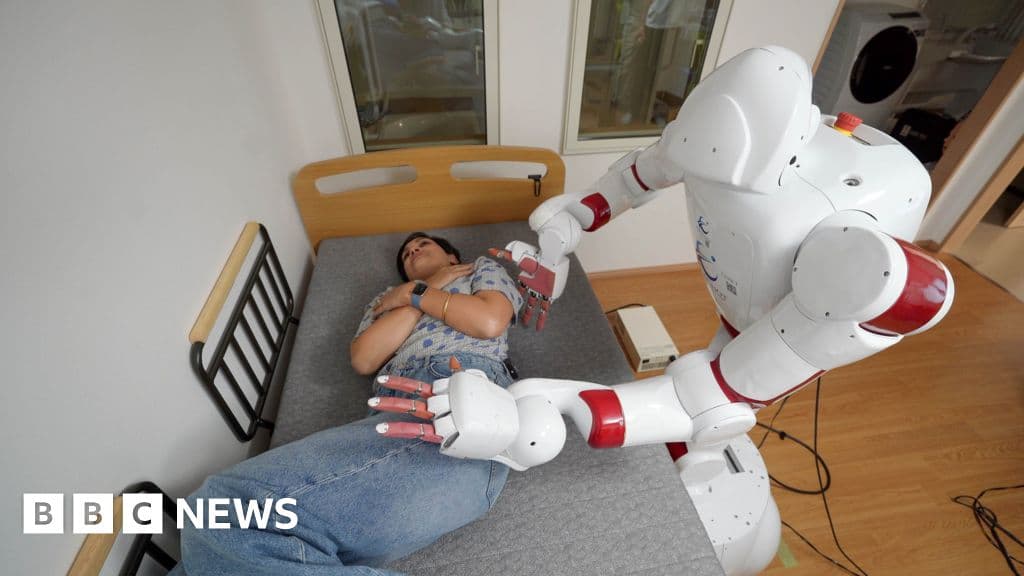
More than 18,000 elderly citizens vanished into the streets of Japan last year, lost in the fog of dementia—a tragic exodus that left nearly 500 dead after wandering away from safety. It is a quiet catastrophe unfolding in one of the world's most advanced nations, where the traditional social fabric is fraying under the weight of demographics.
This grim statistic exposes the fragility of the world’s second-oldest population, forcing Tokyo to turn to advanced surveillance technology as a substitute for a shrinking human workforce. As Kenya’s own urban population ages and traditional family support structures evolve, Japan’s struggle offers a cautionary tale on the costs of longevity.
The scale of the challenge is staggering. According to the World Bank, citizens aged 65 and over now constitute nearly 30% of Japan's population, a density second only to the micro-state of Monaco. This demographic shift is not merely a social issue; it is an economic hemorrhage.
The Japanese Health Ministry has identified dementia as a top-tier policy emergency. They estimate that health and social care costs related to the condition will surge from current levels to a staggering 14 trillion yen ($90bn; approx. KES 11.6 trillion) by 2030.
To put that figure into a local perspective, that single projected expense is roughly three times the size of Kenya’s entire national budget for the 2024/2025 financial year. With a labor market tightened by strict immigration policies and a declining birth rate, the government has admitted it simply does not have enough human hands to care for the elderly.
In response, the Japanese government’s latest strategy signals a decisive pivot toward automation and surveillance. Where human eyes are missing, digital sensors are taking over.
While these innovations promise safety, they also raise profound questions about dignity and privacy—questions that global health experts suggest will soon confront every aging society.
As the crisis deepens, Japan is effectively becoming a testing ground for the world. "The pivot to technology is not just an option; it is becoming the only viable lifeline," analysts note, suggesting that the future of care may be less about human touch and more about algorithmic oversight.
Keep the conversation in one place—threads here stay linked to the story and in the forums.
Sign in to start a discussion
Start a conversation about this story and keep it linked here.
Other hot threads
E-sports and Gaming Community in Kenya
Active 9 months ago
The Role of Technology in Modern Agriculture (AgriTech)
Active 9 months ago
Popular Recreational Activities Across Counties
Active 9 months ago
Investing in Youth Sports Development Programs
Active 9 months ago