We're loading the full news article for you. This includes the article content, images, author information, and related articles.
The legendary director breaks his silence on the controversial 1992 sequel, lamenting the "wasted goodwill" of killing off fan-favorite characters while offering a surprising defense of David Fincher.
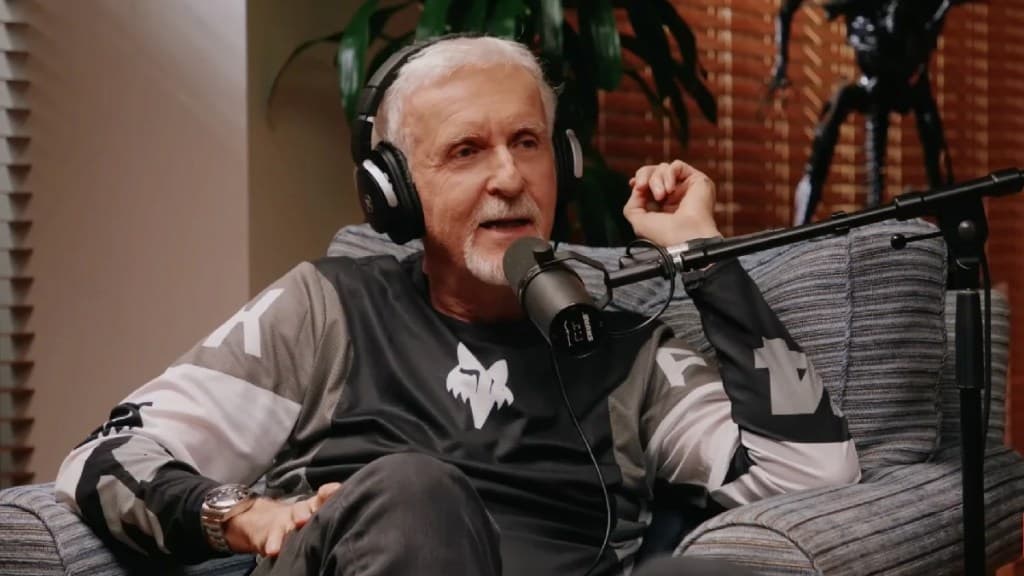
Nearly four decades after Aliens redefined the sci-fi action genre, director James Cameron has ripped open old cinematic wounds, labeling the opening sequence of its sequel as "the stupidest f***ing thing."
Speaking candidly on a recent podcast hosted by actor Michael Biehn, the filmmaker behind some of history's highest-grossing movies did not mince words. He dismantled the creative decisions made in 1992's Alien 3, reigniting a debate that has divided sci-fi fans from Nairobi to New York for over 30 years. For Kenyan audiences who grew up renting these classics on VHS, Cameron’s frustration validates a long-held grievance: the unceremonious disposal of beloved heroes.
Cameron’s 1986 masterpiece ended on a note of hard-won hope, with Ellen Ripley (Sigourney Weaver) surviving alongside Corporal Hicks (Biehn), the android Bishop, and the young orphan Newt. However, the opening minutes of Alien 3 revealed that Hicks and Newt had been killed in their cryo-sleep pods—a decision Cameron views as a fundamental storytelling error.
"You spent the last third of your movie saving her," Biehn noted during the exchange, referring to the character of Newt.
Cameron agreed emphatically. "So, you build a lot of goodwill around the characters of Hicks, Newt, and Bishop. And then the first thing they do in the next film is kill them all off. Really smart, guys," he said, dripping with sarcasm. He argued that replacing these invested characters with "a bunch of convicts that you hate" alienated the audience immediately.
Despite his harsh critique of the narrative choices, Cameron offered a nuanced defense of the man in the director's chair: David Fincher. Alien 3 was Fincher’s directorial debut before he went on to helm modern classics like Fight Club and The Social Network. The production was notoriously chaotic, plagued by studio interference and script rewrites.
Cameron conceded that Fincher was dealt a bad hand. "I’m a big fan of Fincher and his work," Cameron emphasized. "That was his first feature film, and he was getting vectored around by a lot of other voices... so I give him a free pass on that one."
When Biehn suggested that Fincher was "handed a bowl of s***," Cameron simply agreed.
The Alien franchise has seen a resurgence recently, with Fede Alvarez’s Alien: Romulus performing well globally. However, the "what if" scenarios regarding the original characters remain a sore point. Cameron’s comments highlight the delicate balance of franchise management—a lesson relevant to any storyteller or content creator:
While the canon cannot be changed, Cameron’s validation offers a sense of closure for fans who felt cheated in 1992. As the franchise looks toward the future, the lesson from the master is clear: don't burn down what you worked so hard to build.
Keep the conversation in one place—threads here stay linked to the story and in the forums.
Sign in to start a discussion
Start a conversation about this story and keep it linked here.
Other hot threads
E-sports and Gaming Community in Kenya
Active 9 months ago
The Role of Technology in Modern Agriculture (AgriTech)
Active 9 months ago
Popular Recreational Activities Across Counties
Active 9 months ago
Investing in Youth Sports Development Programs
Active 9 months ago