We're loading the full news article for you. This includes the article content, images, author information, and related articles.
A weekend of digital anarchy saw attackers distribute billions in fake currency and broadcast Shaggy lyrics, raising urgent questions about data security for Kenyan gamers.
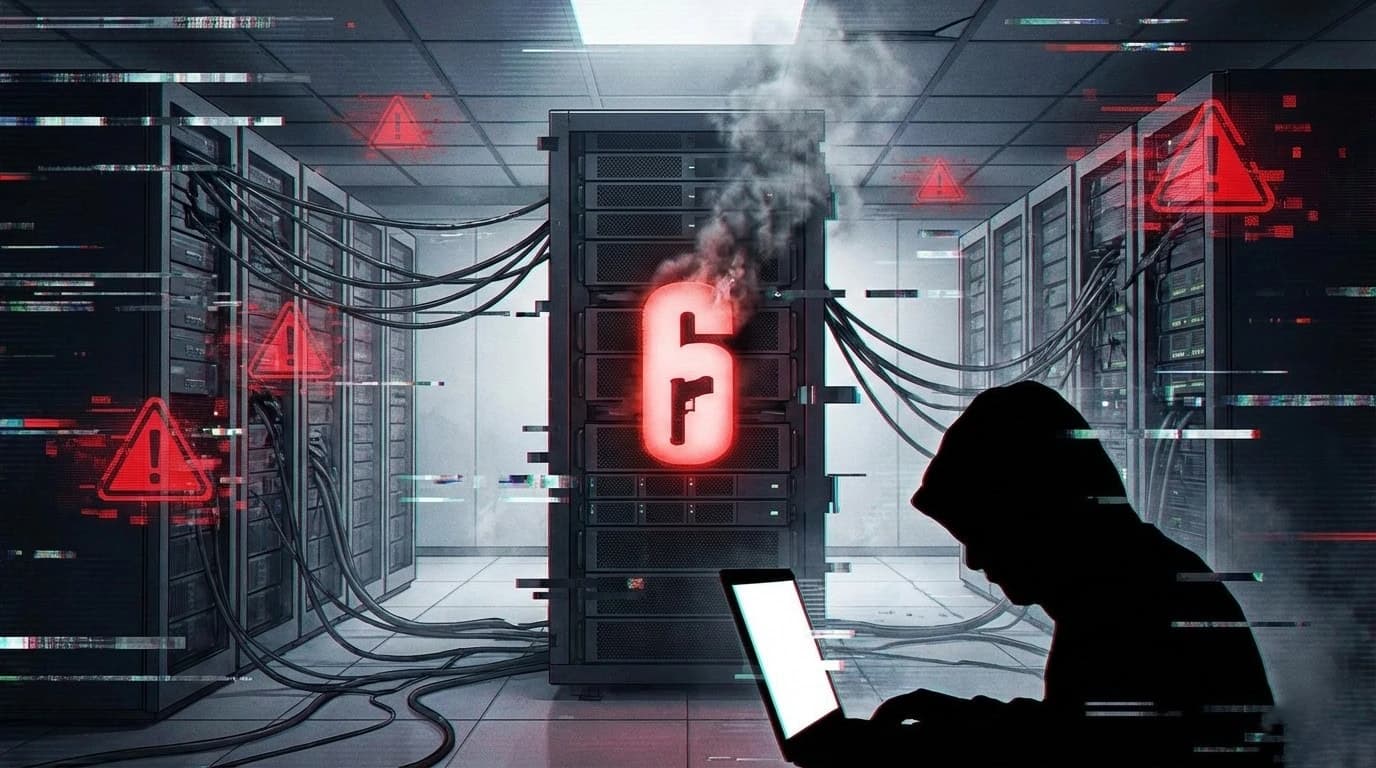
It started with a flood of free money and ended in a total blackout. Ubisoft has pulled the plug on Rainbow Six Siege, one of the world’s most popular tactical shooters, after hackers turned the game into a chaotic digital playground over the weekend. What began as a bizarre prank involving pop lyrics has spiraled into a major security crisis, leaving millions of players—including Kenya’s growing e-sports community—staring at blank screens.
This is not just a server glitch; it is a loss of control. For the thousands of Kenyan gamers who treat Siege as a nightly ritual, the immediate frustration is the inability to play. However, the deeper concern lies in the murky details of the breach. While Ubisoft engineers scramble to rewind the clock, allegations of a wider data theft suggest that user privacy, not just in-game credits, may be the real casualty.
The chaos unfolded on Saturday when players noticed the game’s strict rules had evaporated. Attackers reportedly seized control of the administrative ban system, but instead of kicking players out, they used the notification ticker to scroll the lyrics to Shaggy’s 2000 hit, “It Wasn’t Me.”
According to reports from Bleeping Computer and player screenshots on X (formerly Twitter), the hackers did not stop at memes. They flooded the game’s economy, distributing 2 billion credits to random accounts. In the real world, that amount of digital currency is valued at roughly $13.3 million (approx. KES 1.7 billion). They also unlocked every cosmetic skin and reversed active bans, effectively turning the tactical shooter into a lawless free-for-all.
Ubisoft has confirmed that a "rollback" is currently underway to undo the damage. In a statement, the publisher assured players that "nobody will be banned for spending credits received" during the hack. Essentially, the developers are attempting to travel back in time to a point before the breach occurred, wiping out the illicit transactions.
For Kenyan players, who often pay a premium for in-game currency due to exchange rates, the sudden influx of KES 1.7 billion worth of credits was a brief, surreal fantasy. However, as of Monday morning, the servers remain dark. Ubisoft has stated the matter is being handled with "extreme care," warning that timing for a fix cannot be guaranteed.
While the in-game antics were disruptive, a more sinister narrative is developing in the background. The malware repository VX-Underground has alleged that the Rainbow Six Siege incident was merely the noisy distraction for a wider infiltration of Ubisoft’s infrastructure.
Rumors are circulating that the attackers may have stolen proprietary code and, more worryingly, private user data. Ubisoft has not yet confirmed these specific allegations, and details remain scarce. However, given the company's history with data breaches—including incidents in 2020 and 2022—cybersecurity analysts are urging caution. Until the full scope of the attack is verified, players in Nairobi and beyond are advised to remain vigilant regarding their account security.
As engineers work to restore order, the community is left waiting. The servers will eventually come back online, but regaining the trust of the player base may take much longer than a simple system reboot.
Keep the conversation in one place—threads here stay linked to the story and in the forums.
Sign in to start a discussion
Start a conversation about this story and keep it linked here.
Other hot threads
E-sports and Gaming Community in Kenya
Active 9 months ago
The Role of Technology in Modern Agriculture (AgriTech)
Active 9 months ago
Popular Recreational Activities Across Counties
Active 9 months ago
Investing in Youth Sports Development Programs
Active 9 months ago