We're loading the full news article for you. This includes the article content, images, author information, and related articles.
The Israeli military has issued sweeping evacuation orders to civilians across a massive swathe of southern Lebanon, demanding they relocate north of the Litani River.
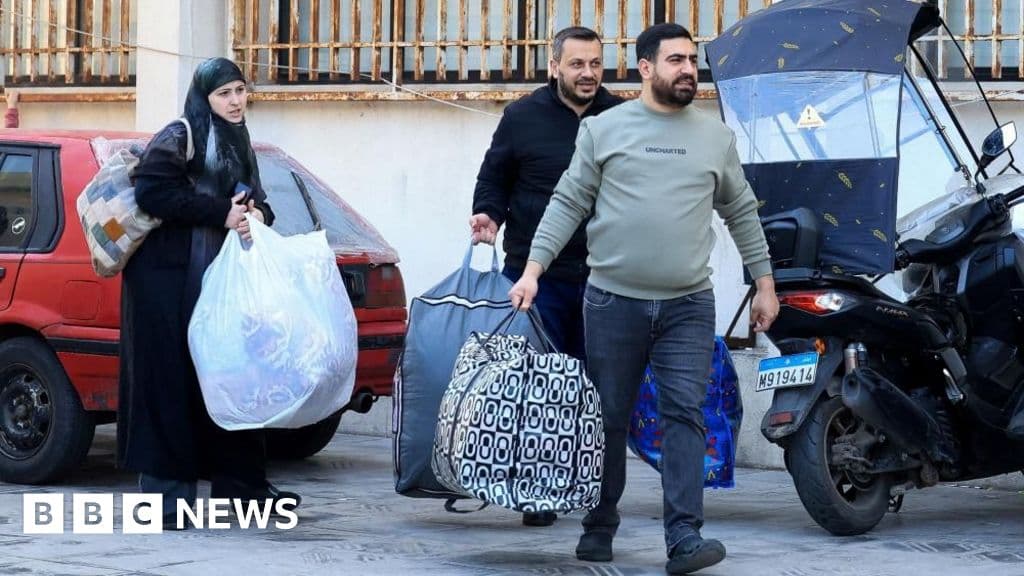
The Israeli military has issued sweeping evacuation orders to civilians across a massive swathe of southern Lebanon, demanding they relocate north of the Litani River immediately as comprehensive military operations against Hezbollah commence.
This drastic geographical mandate marks a severe escalation in the conflict, fundamentally altering the demographic reality of the region. Hours after the instructions were broadcast, the Israeli Defense Forces (IDF) initiated continuous waves of aerial and artillery strikes against designated targets.
The humanitarian fallout is instantaneous and catastrophic. For international observers and diplomatic corps stationed in East Africa, the rapid displacement of tens of thousands of Lebanese citizens underscores the utter failure of diplomatic de-escalation efforts in the Middle East.
The Litani River represents more than a geographical boundary; it is a highly contested strategic demarcation line. By ordering civilians north of this waterway, Israel is effectively attempting to create a massive buffer zone, ostensibly to secure its northern border from Hezbollah incursions.
This tactic, while framed as a measure to protect non-combatants, results in the systematic depopulation of historic villages and urban centers. The logistical nightmare of moving an entire regional population within hours is virtually insurmountable.
Roads leading towards Beirut are choked with vehicles, while thousands more are fleeing on foot, carrying only what they can physically manage under the terrifying din of warplanes.
The infrastructure of northern Lebanon and the capital, Beirut, is buckling under the sheer weight of the sudden influx of internally displaced persons (IDPs). The crisis has overwhelmed local municipalities and international aid organizations.
One resident defiantly told reporters, "Let them say whatever they want - I'm not going to Beirut to be on the streets." This tragic resolve highlights the impossible choices forced upon civilians caught in the crossfire.
The mass evacuation orders and subsequent bombardment represent a blatant disregard for international pleas for a ceasefire. As hostilities between Israel and the Iran-backed militant group deepen, the specter of a broader regional war becomes increasingly likely.
For nations reliant on Middle Eastern stability for energy security and trade routes, including Kenya and its East African neighbors, the conflict threatens severe economic turbulence. The weaponization of geography in southern Lebanon sets a dangerous precedent for modern warfare.
"I'm not next to Hezbollah or any of its infrastructure, so I should be fine," a young civilian hoped, capturing the fatalistic desperation of a population abandoned to the mechanics of war.
Keep the conversation in one place—threads here stay linked to the story and in the forums.
Sign in to start a discussion
Start a conversation about this story and keep it linked here.
Other hot threads
E-sports and Gaming Community in Kenya
Active 9 months ago
The Role of Technology in Modern Agriculture (AgriTech)
Active 9 months ago
Popular Recreational Activities Across Counties
Active 9 months ago
Investing in Youth Sports Development Programs
Active 9 months ago