We're loading the full news article for you. This includes the article content, images, author information, and related articles.
Airstrikes shatter a brief diplomatic opening, raising fears of a wider conflict with direct economic consequences for nations like Kenya.
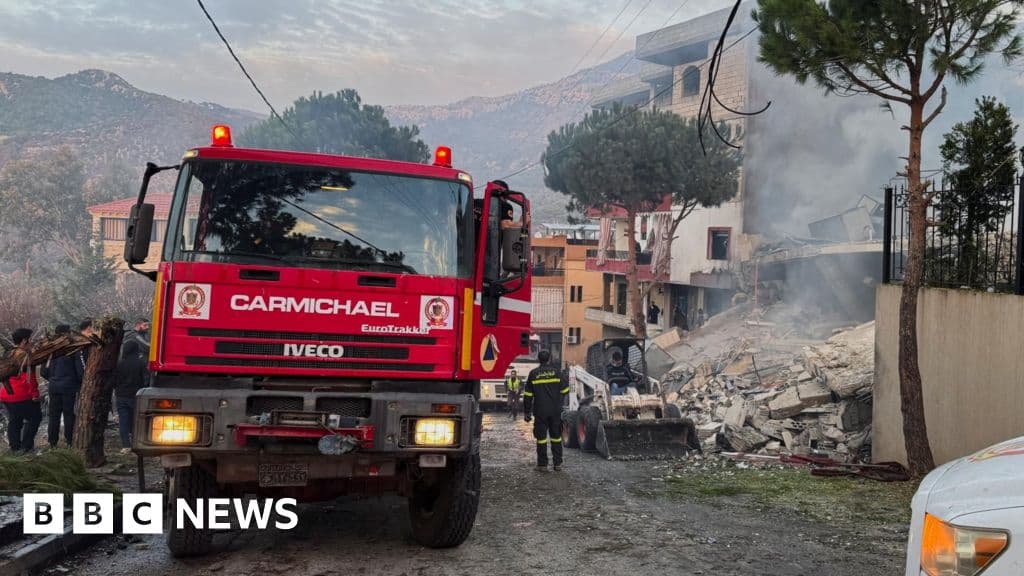
Hopes for Middle East peace were fractured Thursday as Israeli warplanes struck southern Lebanon, less than 24 hours after the two nations held their first direct talks in decades.
The sudden escalation dashes a fragile diplomatic process and signals a return to hostilities. For Kenyans, this instability in a critical global region threatens to ripple outwards, potentially driving up fuel prices and impacting international trade.
The Israeli military announced it targeted several locations it alleged were Hezbollah weapons warehouses in the towns of Mjadel, Baraachit, Jbaa, and Mahrouna. An Israeli military spokesman stated the sites were a violation of a ceasefire agreement and warned that operations would continue to "remove any threat" to Israel. No casualties were immediately reported, though a local official in Jbaa described widespread damage and residents "living in shock".
The strikes came just a day after civilian envoys from both countries met at the UN peacekeeping headquarters in the Lebanese border town of Naqoura. This meeting was a significant, albeit cautious, step forward in a relationship marked by decades of conflict.
The entire situation hinges on a shaky ceasefire brokered by the United States and France, which took effect in November 2024 after 13 months of intense conflict. The core terms of the deal included:
However, Israel has maintained positions at several border sites and alleges that Hezbollah has been attempting to rebuild its military infrastructure, prompting the recent escalation in airstrikes.
While geographically distant, renewed conflict in the Middle East has direct and tangible consequences for Kenya. Regional instability, especially involving a major oil-producing area, often leads to volatility in global energy prices. An escalation could disrupt supply chains and lead to higher costs for crude oil, which would translate to increased prices at the petrol pump for Kenyan motorists and businesses.
Furthermore, Kenya's trade relationships, including significant tea exports to the region, could be jeopardised by a wider conflict, impacting farmers' incomes and the national economy. President William Ruto has previously noted that conflicts in the region threaten to worsen the economic and security crisis in Kenya.
With diplomacy now stalled and military actions resuming, the path to lasting peace in the region appears more uncertain than ever. The international community, which had welcomed the ceasefire, now watches anxiously as both sides step back from the negotiating table and return to a familiar pattern of conflict.
Keep the conversation in one place—threads here stay linked to the story and in the forums.
Sign in to start a discussion
Start a conversation about this story and keep it linked here.
Other hot threads
E-sports and Gaming Community in Kenya
Active 9 months ago
The Role of Technology in Modern Agriculture (AgriTech)
Active 9 months ago
Popular Recreational Activities Across Counties
Active 9 months ago
Investing in Youth Sports Development Programs
Active 9 months ago



