We're loading the full news article for you. This includes the article content, images, author information, and related articles.
Major global charities including ActionAid and the IRC lose licenses, sparking diplomatic outrage as the humanitarian crisis deepens.
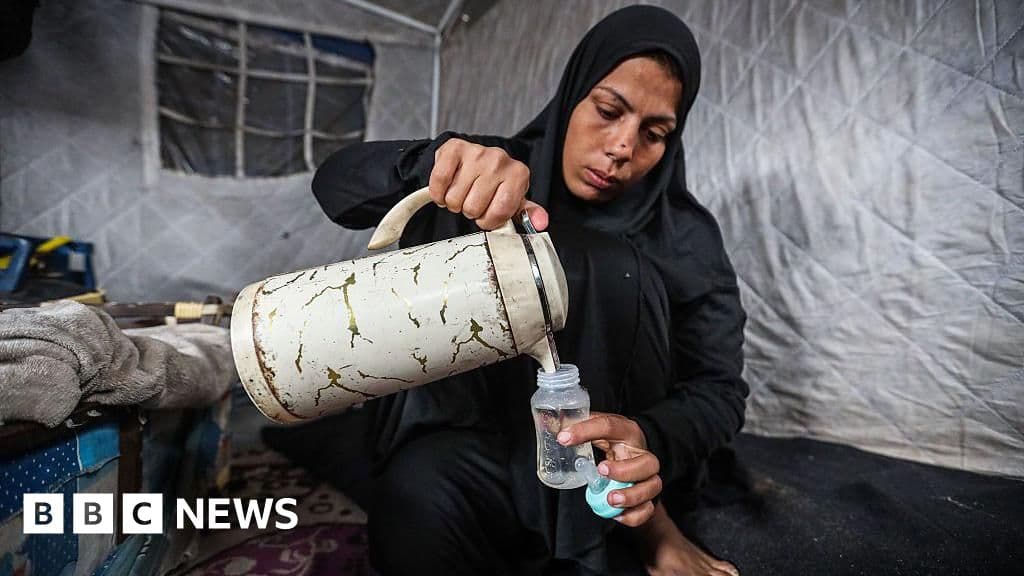
Israel has moved to revoke the operating licenses of 37 international aid groups, a decision that threatens to paralyze critical relief efforts in Gaza and the occupied West Bank within two months.
The directive, which takes effect on January 1, targets global humanitarian heavyweights such as ActionAid, the International Rescue Committee (IRC), and the Norwegian Refugee Council (NRC)—organizations that are also household names here in Kenya for their work in drought and refugee response. For the global humanitarian sector, this signals a drastic shift in how aid is regulated in conflict zones, raising fears that neutral relief work is becoming increasingly politicized.
The suspension has triggered an immediate and sharp rebuke from the international community. Foreign ministers from 10 nations—including the UK, France, Japan, and Canada—issued a joint statement condemning the new regulations as both "restrictive" and "unacceptable."
These diplomats warned that the forced closure of these Non-Governmental Organizations (NGOs) would have a "severe impact on access to essential services including healthcare" in a region where the humanitarian situation is already described as catastrophic. The coalition called on the Israeli government to ensure that these groups could operate in a "sustained and predictable way," emphasizing that the current crisis demands more aid channels, not fewer.
At the heart of the revocation is a dispute over compliance and data privacy. Israel’s Ministry of Diaspora Affairs, which oversees these registrations, alleged that the affected groups failed to meet new regulatory requirements. Specifically, authorities claimed the organizations did not hand over "complete" personal details of their staff members.
This demand places NGOs in a precarious position. In conflict zones, handing over comprehensive staff lists to a belligerent party is often viewed as a security risk for local employees. However, the Israeli government maintained that the measures were necessary for security and oversight.
Despite the suspensions, Israeli officials insisted that the flow of assistance would not be severed. The Ministry stated that aid would continue to be delivered through what it termed "approved and vetted channels."
According to Israeli authorities, these alternative routes include:
However, analysts note that the sheer scale of operations run by groups like the NRC and IRC is difficult to replace overnight. As the 60-day wind-down period begins, the focus now shifts to whether diplomatic pressure can reverse the decision before operations grind to a halt.
Keep the conversation in one place—threads here stay linked to the story and in the forums.
Sign in to start a discussion
Start a conversation about this story and keep it linked here.
Other hot threads
E-sports and Gaming Community in Kenya
Active 9 months ago
The Role of Technology in Modern Agriculture (AgriTech)
Active 9 months ago
Popular Recreational Activities Across Counties
Active 9 months ago
Investing in Youth Sports Development Programs
Active 9 months ago



