We're loading the full news article for you. This includes the article content, images, author information, and related articles.
The semiconductor giant finally secures a foothold in a sector dominated by NVIDIA, offering a glimmer of hope for price competition in Kenya’s tech hardware market.
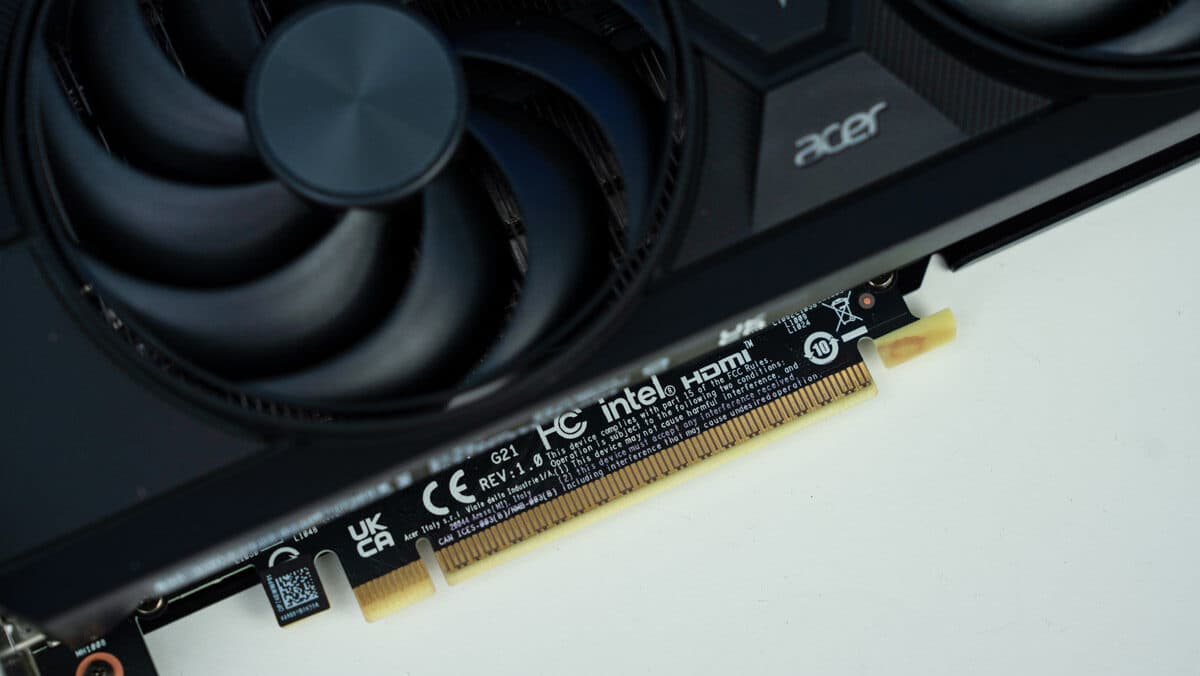
For the first time in the modern era of computing, Intel has clawed its way onto the scoreboard of the discrete graphics market, securing a hard-fought 1% share. It is a statistic that might look like a rounding error to the casual observer, but in the high-stakes world of silicon manufacturing, it represents a significant breach in a fortress long held by NVIDIA.
This development, detailed in a fresh report by Jon Peddie Research (JPR), signals that the duopoly of NVIDIA and AMD has officially fractured into a three-horse race. For Kenyan content creators, gamers, and IT procurement officers accustomed to paying premium prices for imported hardware, the arrival of a third player suggests the long-term possibility of better pricing dynamics in a market starved for competition.
The data from JPR paints a stark picture of the current landscape. While Intel’s entry is historic, the disparity in market power remains immense. NVIDIA continues to operate with near-monopolistic authority, commanding a staggering 92% of the global discrete GPU market. AMD, the traditional challenger, holds a modest 7%, leaving Intel with its newfound 1% slice.
Market analysts note that Intel’s breakthrough is largely driven by its Arc Battlemage series. These cards have been positioned as value-oriented alternatives, targeting budget-conscious builds rather than the ultra-high-end performance tier dominated by NVIDIA’s RTX 50-series.
Why does a 1% shift in global market share matter on the streets of Nairobi? For years, local tech vendors along Moi Avenue and in Westlands have been at the mercy of global supply chains dominated by a single player. When one company controls over 90% of the market, pricing becomes rigid. High import duties and a fluctuating shilling further exacerbate the cost for Kenyan creatives trying to build editing rigs or render farms.
Intel’s strategy of aggressive pricing for its Arc series offers a potential alternative for local entry-level gaming cafes and video editors who cannot justify the exorbitant cost of top-tier NVIDIA cards. While the "Green Team" (NVIDIA) remains the standard for high-end enterprise workloads, Intel’s persistence proves that the barrier to entry, while high, is not insurmountable.
"It is a start, not a victory," the report suggests, indicating that while Intel has a long road ahead, the mere existence of choice is a win for the consumer. As the Battlemage architecture matures, the hope is that this 1% will grow, forcing competitors to fight harder—and cheaper—for the user's attention.
Keep the conversation in one place—threads here stay linked to the story and in the forums.
Sign in to start a discussion
Start a conversation about this story and keep it linked here.
Other hot threads
E-sports and Gaming Community in Kenya
Active 9 months ago
The Role of Technology in Modern Agriculture (AgriTech)
Active 9 months ago
Popular Recreational Activities Across Counties
Active 9 months ago
Investing in Youth Sports Development Programs
Active 9 months ago



