We're loading the full news article for you. This includes the article content, images, author information, and related articles.
The Teachers Service Commission (TSC) is pushing for a radical legislative overhaul that would grant it unilateral powers to suspend, deregister, and discipline teachers, bypassing the Ministry of Education and sparking a fierce turf war.
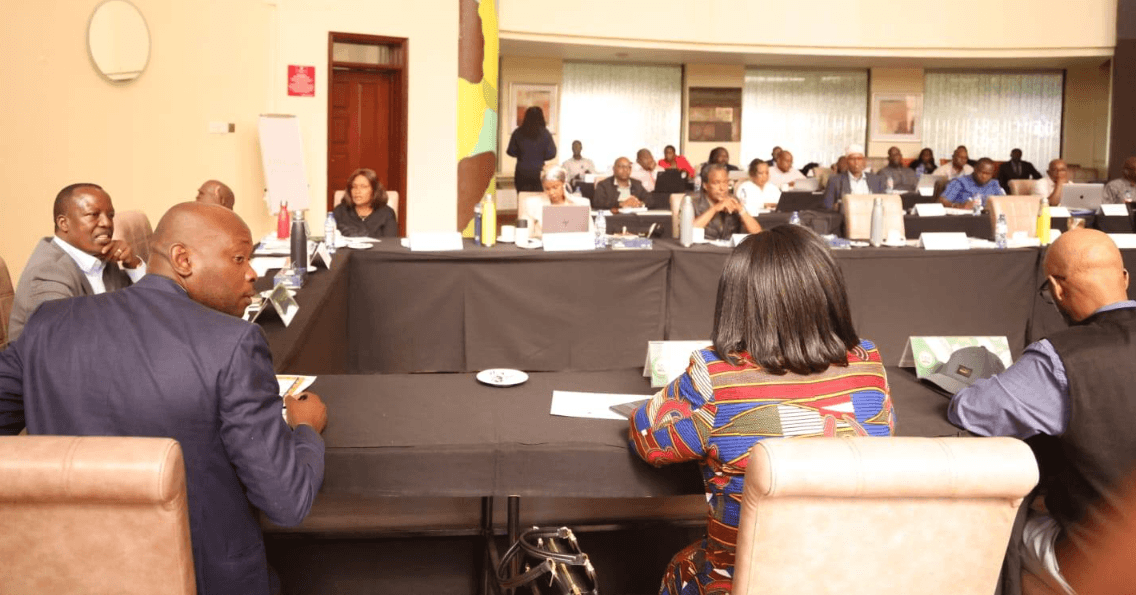
The Teachers Service Commission (TSC) is pushing for a radical legislative overhaul that would grant it unilateral powers to suspend, deregister, and discipline teachers, bypassing the Ministry of Education and sparking a fierce turf war.
The draft amendments to the Teachers Service Commission Act are not mere bureaucratic tweaks; they are a power grab designed to make the TSC the judge, jury, and executioner of the teaching profession. Under the guise of "professionalizing" the service, the Commission seeks to introduce new offences, including a broad and dangerously vague clause on acts that "grossly offend public policy."
This move fundamentally alters the balance of power in Kenya's education sector. By seeking to entrench these disciplinary powers in law, the TSC is insulating itself from court challenges that have previously overturned its decisions. The "So What" for the 300,000+ teachers in Kenya is immediate: your job security now rests entirely on the interpretation of a "misconduct" clause that has been significantly widened.
The draft Bill, presented to the National Assembly's Education Committee in Naivasha, introduces specific, hard-hitting offences.
Legislators have not taken this lying down. "If the amendments touch on all provisions, why not repeal the entire Act and start afresh?" asked Mandera South MP Abdul Haro. The concern is that the TSC is creating a parallel government within the education sector, independent of the Ministry's oversight. The clash is inevitable: The Ministry controls the schools, but the TSC owns the teachers.
Perhaps the most contentious proposal is the "Internal Review Committee" which would handle appeals before they can proceed to court. Lawyers argue this denies teachers immediate access to justice, forcing them through a TSC-controlled bottleneck before they can seek independent arbitration.
This draft law is a signal that the TSC is done negotiating. It wants absolute control. For the average teacher, the classroom is about to become a much strictly regulated—and potentially perilous—workplace.
Keep the conversation in one place—threads here stay linked to the story and in the forums.
Sign in to start a discussion
Start a conversation about this story and keep it linked here.
Other hot threads
E-sports and Gaming Community in Kenya
Active 9 months ago
The Role of Technology in Modern Agriculture (AgriTech)
Active 9 months ago
Popular Recreational Activities Across Counties
Active 9 months ago
Investing in Youth Sports Development Programs
Active 9 months ago



