We're loading the full news article for you. This includes the article content, images, author information, and related articles.
The surveillance deal is part of a historic KES 207 billion framework that bypasses NGOs for direct government funding—but it comes with strict new conditions from Washington.
NAIROBI — Kenya’s frontline defense against the next pandemic has secured a critical lifeline. In a landmark shift that rewrites the rules of foreign aid, the United States has committed nearly KES 2.9 billion ($22.5 million) specifically to overhaul the country’s disease surveillance and outbreak response systems.
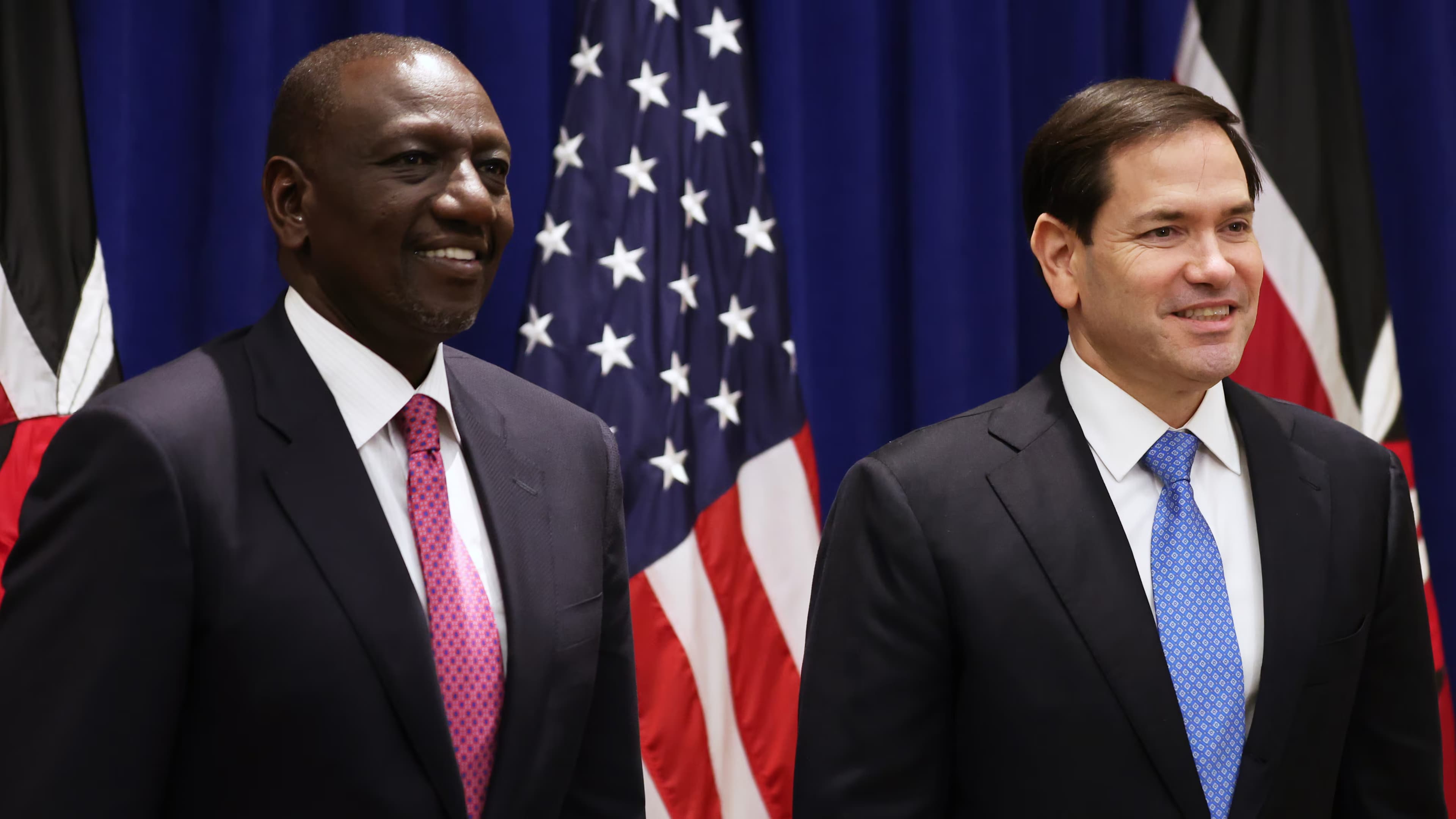
The funding is the sharp end of a broader, historic KES 207 billion ($1.6 billion) Health Cooperation Framework signed in Washington this week by U.S. Secretary of State Marco Rubio and Kenya’s Prime Cabinet Secretary Musalia Mudavadi. For the average Kenyan, this deal promises faster testing during outbreaks like Marburg or Cholera, but for the geopolitical observer, it signals the definitive end of the USAID era and the dawn of President Donald Trump’s “America First” global health strategy.
While the headline figure of KES 207 billion covers everything from HIV to malaria, the KES 2.9 billion slice for surveillance is arguably the most strategic. It is designed to stop outbreaks before they become lockdowns.
According to documents seen by Streamline News, the Kenya National Public Health Institute (NPHI) will anchor this new grid. The funds will operationalize:
“This is about speed,” noted a senior Ministry of Health official who requested anonymity to discuss the deal’s technicalities. “If we can detect a pathogen in Turkana within 24 hours instead of four days, we save lives and we save the economy.”
The structure of this deal is as significant as the dollar amount. Under the new U.S. administration’s policy, funding will bypass the traditional network of international NGOs—disparagingly referred to by Secretary Rubio as the “NGO industrial complex”—and flow directly to Kenyan government institutions.
For President William Ruto’s administration, this is a diplomatic coup, validating the maturity of Kenya’s systems. “We are not going to spend millions of dollars funding the NGO industrial complex while close and important partners like Kenya have very little influence on how healthcare money is spent,” Rubio stated at the signing.
However, this direct-to-government model raises the stakes for accountability. The U.S. has made it clear: the taps are open, but they can be turned off instantly if corruption is detected. The deal requires Kenya to adopt a rigorous “7-1-7” performance metric: detect outbreaks within 7 days, notify within 1 day, and respond within 7 days.
The deal is not a free lunch. It demands “co-investment,” requiring Kenya to gradually increase its own domestic health spending by approximately KES 110 billion ($850 million) over the next five years. As U.S. support tapers down, the Kenyan taxpayer must step up.
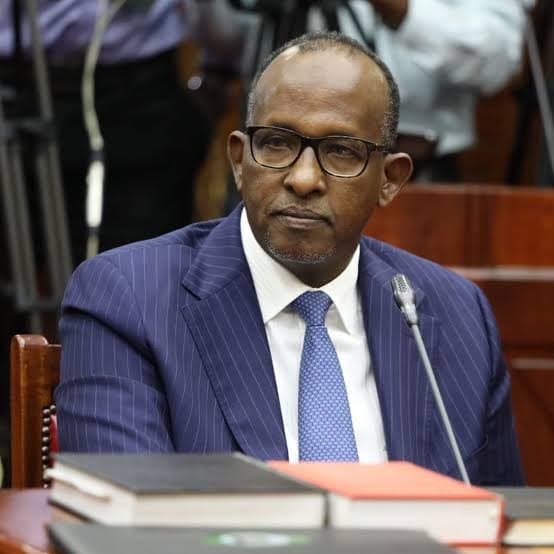
There are also concerns regarding data sovereignty. Critics have flagged provisions that could grant U.S. agencies access to Kenyan health data. Health Cabinet Secretary Aden Duale sought to allay these fears, insisting that “only de-identified, aggregated data” would be shared in compliance with the Data Protection Act.
Despite the caveats, the immediate impact will be felt in the labs and hospitals where Kenya’s health security is fought daily. With the dismantling of USAID as a standalone agency earlier this year, this bilateral pact ensures that Kenya avoids the funding cliff facing other developing nations.
“This gesture reinforces our ongoing mobilization of domestic resources,” President Ruto said. “I assure you that every shilling and dollar will be spent efficiently.”
Keep the conversation in one place—threads here stay linked to the story and in the forums.
Sign in to start a discussion
Start a conversation about this story and keep it linked here.
Other hot threads
E-sports and Gaming Community in Kenya
Active 9 months ago
The Role of Technology in Modern Agriculture (AgriTech)
Active 9 months ago
Popular Recreational Activities Across Counties
Active 9 months ago
Investing in Youth Sports Development Programs
Active 9 months ago
Key figures and persons of interest featured in this article