We're loading the full news article for you. This includes the article content, images, author information, and related articles.
A desperate search is underway on Sumatra island, where a rare tropical cyclone has killed more than 440 people and left hundreds missing, feared buried under mountains of mud.
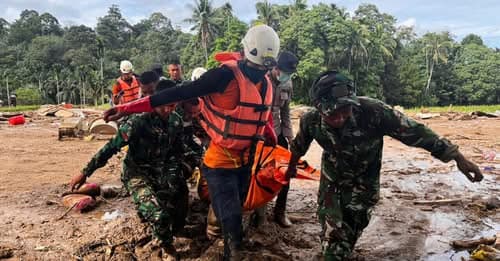
A frantic race against time is unfolding in Indonesia, where rescuers are searching for at least 400 people missing after an exceptionally rare tropical storm triggered catastrophic floods and landslides on the island of Sumatra. The government confirmed the death toll has climbed to over 440, with many believed to be buried under debris.
This disaster, unfolding thousands of kilometres away, is a stark reminder of a shared global vulnerability to extreme weather. For Kenyans who witnessed the devastation of the March-May 2024 floods that claimed over 290 lives and displaced hundreds of thousands, the images of submerged homes in Sumatra are painfully familiar. The events in Indonesia underscore the growing threat of climate change, which scientists warn is intensifying weather patterns worldwide.
The storm, named Cyclone Senyar, unleashed torrential rains that caused rivers to burst their banks and sent mud crashing down hillsides, sweeping away homes and submerging entire villages. Indonesia's National Disaster Management Agency (BNPB) has identified North Sumatra, West Sumatra, and Aceh as the worst-hit provinces.
The scale of the crisis is immense, with nearly 300,000 people displaced and in urgent need of aid. The situation has grown so dire that there are reports of survivors, worried they would starve, looting shops for food and water before aid could arrive.
Aid distribution and rescue operations are being severely hampered. Damaged roads, bridges, and power outages have left several communities completely isolated. "There are two cities that require full attention due to being isolated, namely Central Tapanuli and Sibloga," noted BNPB head Suharyanto.
In response, the Indonesian government has deployed warships and helicopters to deliver aid to these cut-off areas. President Prabowo Subianto, arriving in North Sumatra, emphasized that the government's priority is the immediate delivery of necessary aid. The disaster is the deadliest in Indonesia since the 2018 earthquake and tsunami.
The international community is beginning to respond, with Malaysia sending medical supplies and tech billionaire Elon Musk reportedly offering Starlink services to restore communications. The regional impact has been devastating, with Cyclone Senyar and a separate storm, Cyclone Ditwah, causing over 900 deaths across Thailand, Malaysia, the Philippines, and Sri Lanka combined.
As Indonesian rescuers continue their grim search, the tragedy in Sumatra serves as a powerful signal that preparing for and responding to climate-driven disasters is a critical challenge, not just for Southeast Asia, but for nations like Kenya as well.
Keep the conversation in one place—threads here stay linked to the story and in the forums.
Sign in to start a discussion
Start a conversation about this story and keep it linked here.
Other hot threads
E-sports and Gaming Community in Kenya
Active 9 months ago
The Role of Technology in Modern Agriculture (AgriTech)
Active 9 months ago
Popular Recreational Activities Across Counties
Active 9 months ago
Investing in Youth Sports Development Programs
Active 9 months ago
Key figures and persons of interest featured in this article