We're loading the full news article for you. This includes the article content, images, author information, and related articles.
**A pregnant woman and her family, wrongfully deported to Bangladesh, return to India, exposing a controversial federal crackdown that critics charge illegally targets Bengali-speaking Muslims.**
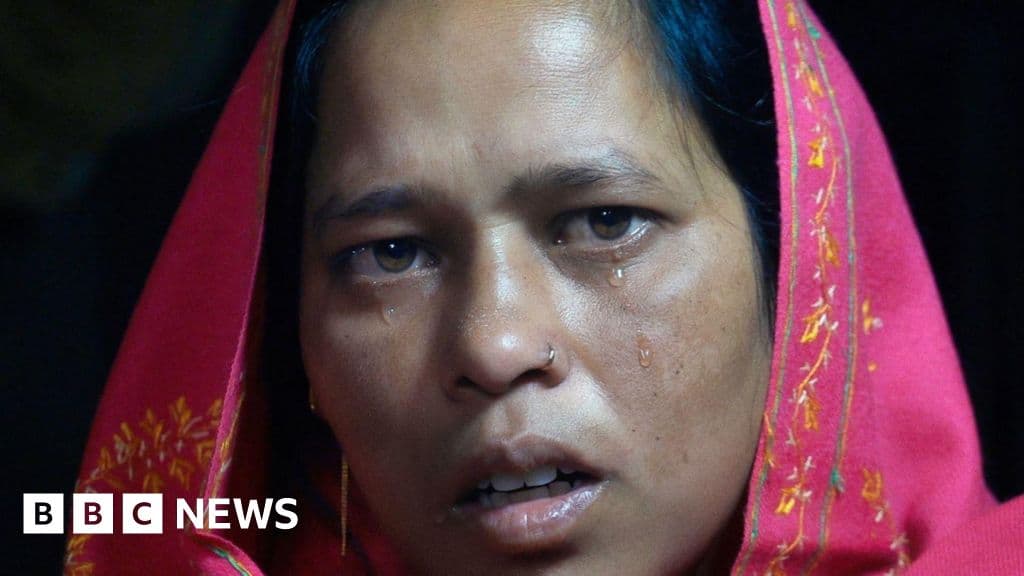
An Indian woman, months into her pregnancy, has returned home after a harrowing ordeal where she and her family were wrongfully deported to Bangladesh and jailed. The case of Sunali Khatun, 25, has ignited a national firestorm, casting a harsh light on a sweeping federal crackdown that critics, including the West Bengal government, allege is being used to unlawfully expel Indian citizens based on their language.
This is more than one family's story; it is a flashpoint in a growing crisis over citizenship, due process, and the safety of migrant workers. For Kenyans, who often seek opportunities across borders and understand the complexities of documentation, this case raises urgent questions about the safeguards that protect citizens from the devastating consequences of state error or overreach.
Ms. Khatun, a domestic worker from West Bengal, was detained in Delhi this past June with her husband and eight-year-old son. Despite presenting identity documents, they were declared illegal immigrants by the Foreigners Regional Registration Office and forcibly sent across the border. Once in Bangladesh, they were arrested and imprisoned for unlawful entry. "We kept telling them, 'We are not Bangladeshi. We are Indian.' Who will listen to people like us?" Ms. Khatun recounted.
The deportation has been fiercely condemned by the West Bengal government, which accused the Bharatiya Janata Party (BJP)-led federal government of acting without cause and failing to follow established protocols. Under Indian law, authorities are supposed to verify a suspected migrant's status with their home state—a step that was reportedly skipped in this case. Samirul Islam, Chairman of the West Bengal Migrant Workers Welfare Board, has been a vocal critic, stating that such incidents are occurring regularly in BJP-governed states where Bengali-speaking laborers are harassed and targeted.
The scale of these operations is alarming, though official data remains scarce. Human Rights Watch reported that since May 2025, hundreds of ethnic Bengali Muslims have been unlawfully expelled. This crackdown intensified following a terror attack in Pahalgam, with the Ministry of Home Affairs ordering states to "detect, identify, and deport illegal immigrants".
Rights activists warn that the recent deportations are not about illegal immigration but are targeting a specific minority group: Bengali-speaking Muslims. The practice of equating language with foreign nationality has created a climate of fear for millions of internal migrant workers who are essential to India's economy. The situation mirrors anxieties in East Africa over the profiling of ethnic groups and the weaponization of citizenship laws.
After months of legal battles and high-level intervention, Ms. Khatun is back on Indian soil, but her husband remains in Bangladesh, awaiting his release. Her return is a victory for her family and advocates, but the larger questions remain unanswered. As her case demonstrates, when the system designed to protect citizens fails, the human cost is immeasurable. Her ordeal concludes not with a resolution, but with a haunting question she posed to journalists: "Why did they do this to us?"
Keep the conversation in one place—threads here stay linked to the story and in the forums.
Sign in to start a discussion
Start a conversation about this story and keep it linked here.
Other hot threads
E-sports and Gaming Community in Kenya
Active 9 months ago
The Role of Technology in Modern Agriculture (AgriTech)
Active 9 months ago
Popular Recreational Activities Across Counties
Active 9 months ago
Investing in Youth Sports Development Programs
Active 9 months ago



