We're loading the full news article for you. This includes the article content, images, author information, and related articles.
The volatile intersection of cinematic freedom and communal harmony was sharply tested this week when an Indian High Court issued a 15-day stay blocking the release of the highly controversial film, 'The Kerala Story 2 - Goes Beyond'.
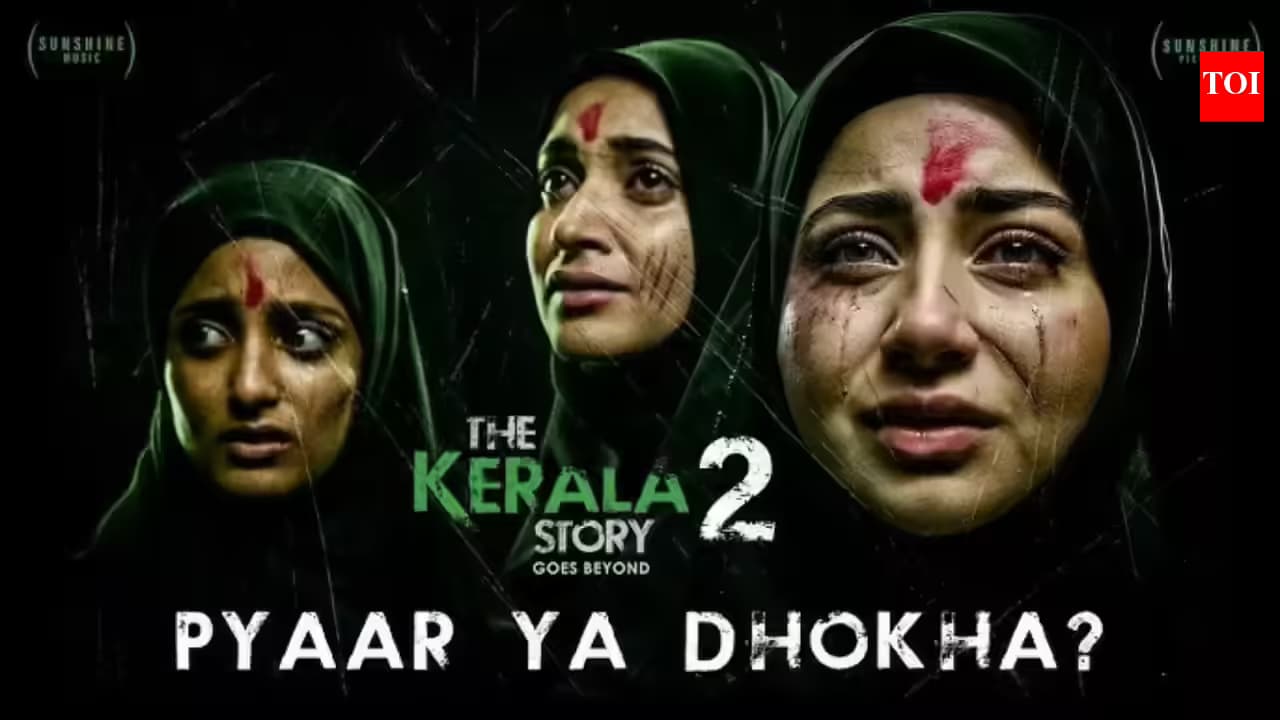
The volatile intersection of cinematic freedom and communal harmony was sharply tested this week when an Indian High Court issued a 15-day stay blocking the release of the highly controversial film, 'The Kerala Story 2 - Goes Beyond'.
Justice Bechu Kurian Thomas of the Kerala High Court dramatically halted the film's scheduled February 27 premiere, delivering a stinging rebuke to India's Central Board of Film Certification (CBFC). The court ruled that the censorship authority had fundamentally failed to apply proper judgment regarding the movie's potential to ignite religious discord and violence.
This judicial intervention resonates deeply across multicultural societies, including East Africa, where the delicate balance between unfettered freedom of expression and the preservation of national cohesion is a constant legal tightrope. The ruling underscores the immense power of mass media to shape—and potentially distort—public perception of entire religious or ethnic communities.
The sequel builds upon the immensely polarising narrative of its 2023 predecessor, claiming to expose forced religious conversions and the radicalisation of Hindu women into extremist networks. Petitioners successfully argued before the High Court that the film's promotional material, which boldly declared that "Sharia law will be enforced across all of India," was not artistic expression, but a deliberate, malicious attempt to malign the southern coastal state of Kerala.
Unlike Western jurisdictions that rely heavily on self-regulation, India maintains a strict government-run prior censorship regime under the Cinematograph Act of 1952. Section 5B of this Act explicitly prohibits the exhibition of content that threatens public order, decency, or friendly state relations. The High Court determined that the CBFC had prima facie ignored these statutory guidelines by issuing a U/A 16+ certificate to a film laced with deeply provocative, unverified claims.
The controversy cannot be divorced from India's deeply fractured political landscape. Kerala is renowned for its high literacy rates, religious diversity, and is currently governed by a communist coalition that stands in fierce opposition to Prime Minister Narendra Modi's ruling Hindu nationalist Bharatiya Janata Party (BJP). Critics view the film franchise as a cinematic extension of right-wing propaganda designed to demonise minority communities in opposition strongholds.
While the filmmakers insist the narrative is "inspired by true events" and defend their absolute right to creative liberty, the judiciary has drawn a hard line. The court firmly established that disseminating content inherently designed to create social discord and undermine the fabric of a secular society falls well outside the constitutional protections of free speech.
"The dissemination of content that could create discord and undermine social harmony cannot come within the gamut of freedom of speech and expression," the High Court observed, setting a monumental precedent for artistic accountability.
Keep the conversation in one place—threads here stay linked to the story and in the forums.
Sign in to start a discussion
Start a conversation about this story and keep it linked here.
Other hot threads
E-sports and Gaming Community in Kenya
Active 9 months ago
The Role of Technology in Modern Agriculture (AgriTech)
Active 9 months ago
Popular Recreational Activities Across Counties
Active 9 months ago
Investing in Youth Sports Development Programs
Active 9 months ago