We're loading the full news article for you. This includes the article content, images, author information, and related articles.
India has strategically reduced dividend taxes for major French investors in a revised bilateral treaty, a move that signals a broader global trend.
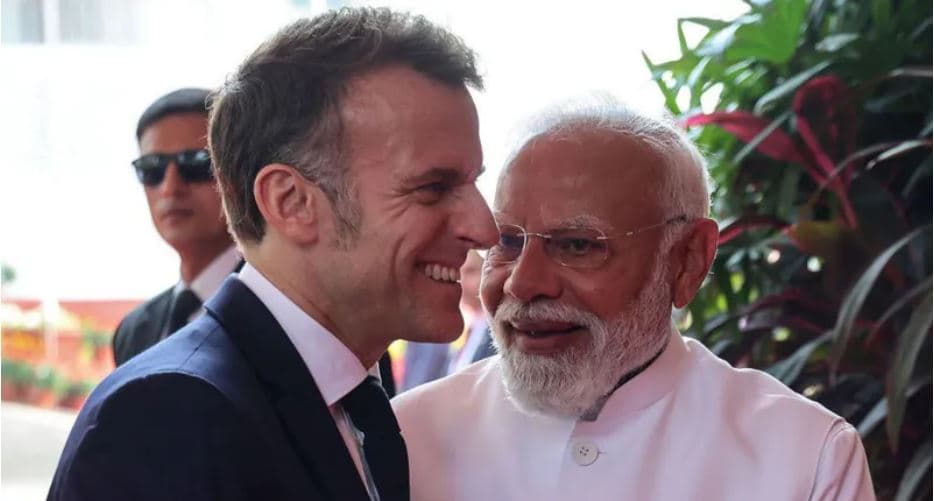
India has strategically reduced dividend taxes for major French investors in a revised bilateral treaty, a move that signals a broader global trend of nations fiercely competing to attract multinational capital.
In a bid to solidify its position as a global investment hub, India has slashed dividend taxes for large French corporations. The revised three-decade-old treaty expands New Delhi's taxing powers while sweetening the deal for European capital.
This aggressive tax diplomacy highlights the intricate dance of international economics. By lowering barriers for corporate giants like Sanofi, Renault, and L'Oreal, India is actively redirecting global supply chains. For East African nations observing these shifts, the treaty serves as a masterclass in leveraging fiscal policy to secure foreign direct investment.
The updated Double Taxation Avoidance Agreement (DTAA) represents a calculated compromise. While France secures a reduced tax burden on repatriated dividends for its multinational entities operating in the subcontinent, India gains enhanced jurisdictional authority to tax specific capital gains derived from the sale of shares.
This equilibrium ensures that the host nation captures value from corporate exits while maintaining an attractive environment for long-term operational investments. It is a precise fiscal balancing act designed to foster industrial growth without sacrificing sovereign tax revenues, a challenge commonly faced by developing economies globally.
For Kenya and its regional neighbors, India’s maneuvering offers critical insights. Kenya has been actively negotiating its own array of tax treaties to position Nairobi as the undisputed financial gateway to the African continent. Understanding the nuances of the Indo-French agreement is vital for local policymakers.
Major French conglomerates stand to gain substantially. Companies deeply entrenched in the Indian consumer and manufacturing sectors can now repatriate profits with greater efficiency. This liquidity allows for aggressive reinvestment strategies, both within India and across their global portfolios.
The timing of the announcement, closely following diplomatic visits, underscores the intersection of statecraft and corporate strategy. It demonstrates how bilateral relations are increasingly dictated by corporate financial imperatives rather than traditional geopolitical security concerns.
As Western corporations seek to diversify their operational bases away from singular dependencies, nations offering optimal tax environments will capture the lion's share of migrating capital. India’s proactive treaty revision places it ahead of competing Asian economies.
The financial markets reacted swiftly to the news, with multinational stocks seeing immediate, positive volatility by 12:00 PM East Africa Time (EAT). This policy shift is expected to trigger a domino effect, prompting other European nations to seek similar treaty revisions with emerging economic powerhouses.
"Capital flows the path of least resistance; smart tax treaties do not surrender wealth, they intelligently manage its current."
Keep the conversation in one place—threads here stay linked to the story and in the forums.
Sign in to start a discussion
Start a conversation about this story and keep it linked here.
Other hot threads
E-sports and Gaming Community in Kenya
Active 9 months ago
The Role of Technology in Modern Agriculture (AgriTech)
Active 9 months ago
Popular Recreational Activities Across Counties
Active 9 months ago
Investing in Youth Sports Development Programs
Active 9 months ago