We're loading the full news article for you. This includes the article content, images, author information, and related articles.
As India overhauls a globally-celebrated rural jobs programme that supports millions, the controversial move provides a critical case study for Kenya’s own social safety nets like the Kazi Mtaani initiative
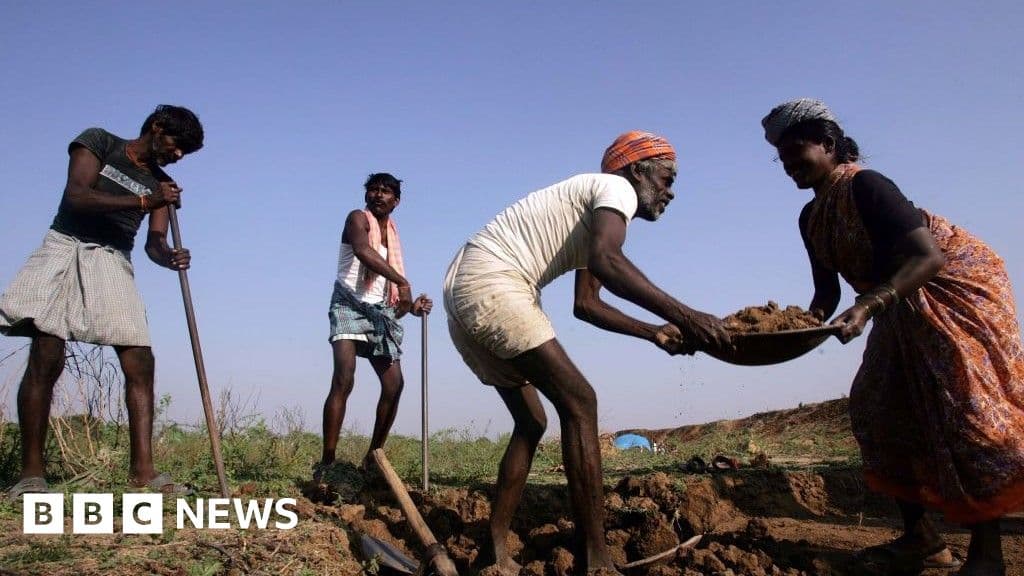
India has initiated a sweeping overhaul of one of the world's largest social safety nets, a rural employment scheme that has been a lifeline for over a hundred million people. The move, which includes renaming the programme and altering its core structure, is sparking intense debate on its future and offers crucial insights for Kenyan policymakers managing similar initiatives.
For Kenya, this is more than a foreign headline. With programmes like Kazi Mtaani—recently revived as 'Climate Worx' to engage over 110,000 youth—forming a key part of the national strategy to tackle unemployment, India's two-decade experiment with its jobs guarantee offers a powerful playbook of successes and cautionary tales.
Launched in 2005, the Mahatma Gandhi National Rural Employment Guarantee Act (MGNREGA) is a landmark legislation that guarantees every rural household at least 100 days of paid unskilled manual work annually. The scheme has been credited with significantly reducing poverty, increasing rural wages, and empowering marginalized groups, particularly women, who constitute over half of the workforce.
However, the Indian government recently passed a new law, dubbed G RAM G, which repeals the original act. While the government notes it increases the guaranteed workdays to 125, critics, including former Congress chief Sonia Gandhi, have warned the changes dismantle the demand-driven, rights-based nature of the scheme, replacing it with a discretionary programme. Opponents argue this could erode the bargaining power of rural laborers and weaken a crucial economic buffer that proved vital during the COVID-19 pandemic.
The evolution of India's scheme holds direct relevance for Kenya. While MGNREGA is a rural programme and Kazi Mtaani is largely urban, both are designed to provide a crucial income floor for vulnerable populations through public works. Key takeaways from India's experience include:
As Kenya expands its social protection footprint, the developments in India are a critical reminder. The challenge is not just in launching such programmes, but in sustaining their integrity and impact over the long term. Analysts suggest that for these safety nets to truly work, they must be shielded from political whims and consistently funded, ensuring they remain a right for citizens, not a tool of patronage.
Keep the conversation in one place—threads here stay linked to the story and in the forums.
Sign in to start a discussion
Start a conversation about this story and keep it linked here.
Other hot threads
E-sports and Gaming Community in Kenya
Active 9 months ago
The Role of Technology in Modern Agriculture (AgriTech)
Active 9 months ago
Popular Recreational Activities Across Counties
Active 9 months ago
Investing in Youth Sports Development Programs
Active 9 months ago